
About
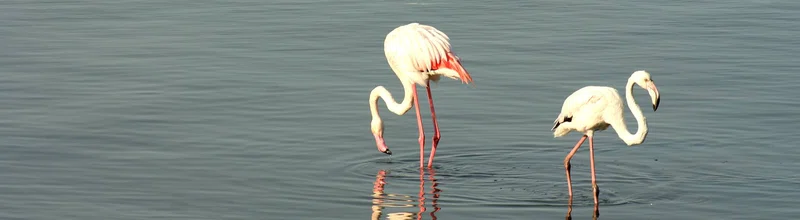
The Nata Bird Sanctuary is a significant conservation area located in northeastern Botswana, specifically on the periphery of the Sua Pan, which is part of the vast Makgadikgadi Pans region. Situated approximately 20 kilometers south of Nata town and 170 kilometers northwest of Francistown, the sanctuary encompasses an area of about 230 square kilometers. Its terrain is characterized by the flat, expansive salt pans, which are the desiccated remains of an ancient super-lake. During the rainy season, typically from November to April, the Nata River floods into the pan, transforming the arid landscape into a shallow, nutrient-rich lake, a crucial event for its abundant wildlife.
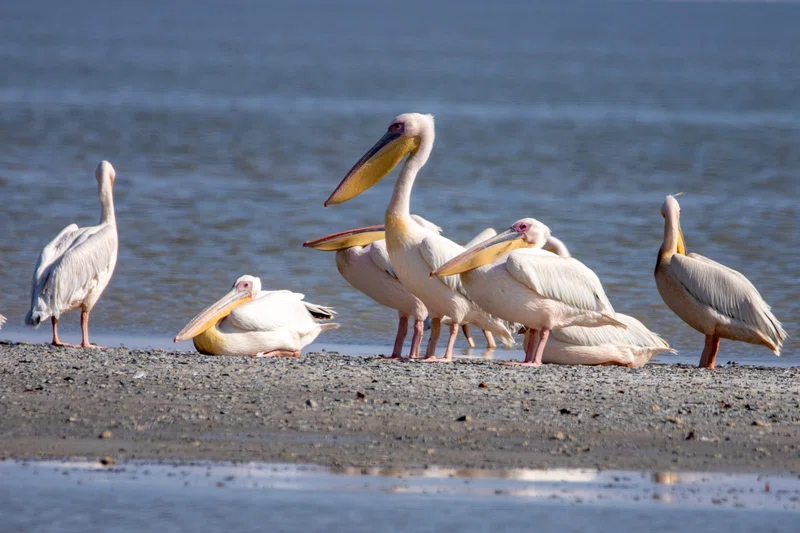
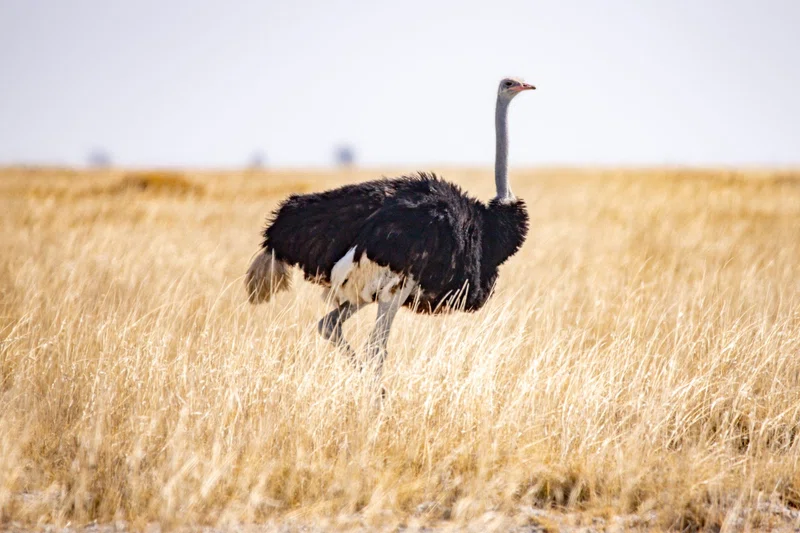
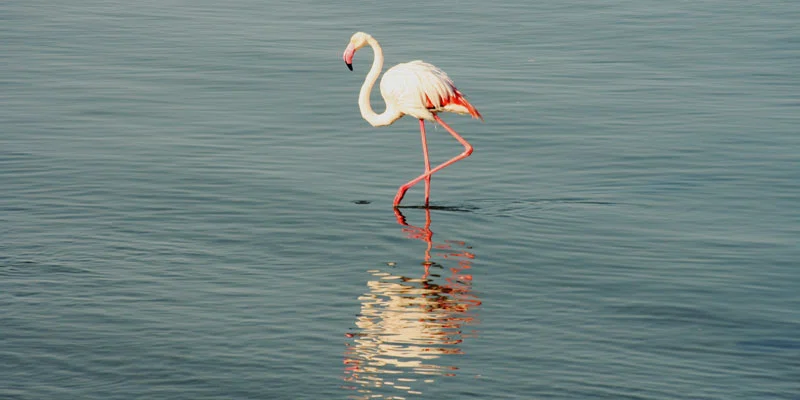
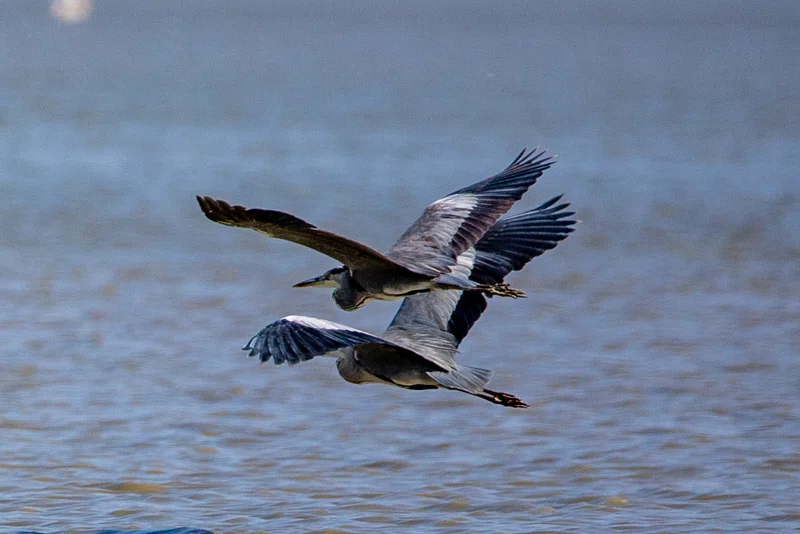
The sanctuary is internationally recognized for its exceptional birdlife, hosting over 165 bird species. It is one of only three known breeding sites for flamingos in Africa and is considered one of the largest breeding sites globally for both lesser and greater flamingos. During peak seasons, after the rains, populations of these flamingos can swell to around 250,000, creating a spectacular pink spectacle across the pan. Other notable bird species include pelicans (great white and pink-backed), ducks, geese, ostriches, spoonbills, African fish eagles, avocets, and various storks and bustards. Beyond avian species, the sanctuary also supports a healthy population of mammals such, hartebeest, kudu, reedbuck, springbok, steenbok, eland, gemsbok, zebra, jackals, hyenas, baboons, and squirrels.
Established in 1988 and operational since 1993, the Nata Bird Sanctuary is a unique community-managed project. It is run by a Trust, the Kalahari Conservation Society, whose members are drawn from the four local villages of Nata, Sepako, Maposa, and Manxotae. This model ensures that the local communities directly benefit from the income generated by tourism, fostering a strong connection between conservation efforts and local livelihoods. Visitors can engage in unguided drives or guided game drives to explore the sanctuary and witness its diverse wildlife. A raised wooden platform offers panoramic views of the Sua Pan and its rich birdlife. While roads are generally manageable in the dry season, a 4x4 vehicle is recommended during the wet season due to potentially challenging conditions on the black "cotton" soils.
Wildlife & Birds
Lesser Flamingo
3
Greater Flamingo
3
Great White Pelican
3
Pink-backed Pelican
3
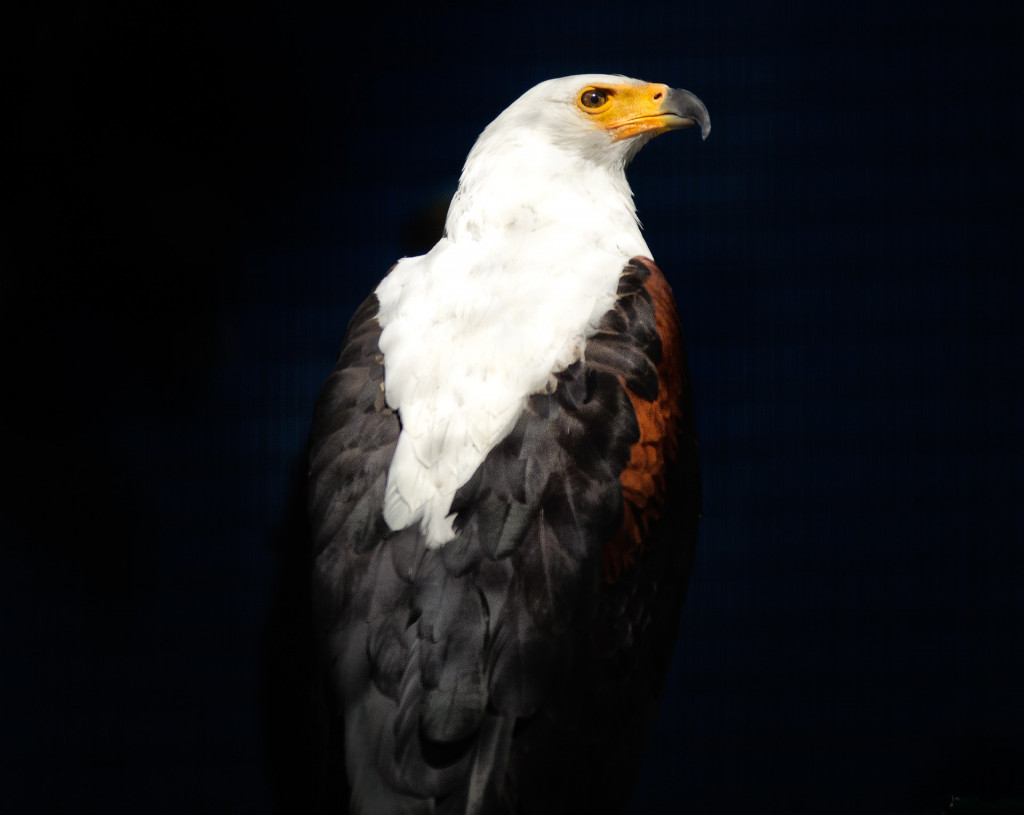
African Fish Eagle
3
Blacksmith Lapwing
3
Pied Kingfisher
3
Secretary-bird
3
Antelope
2
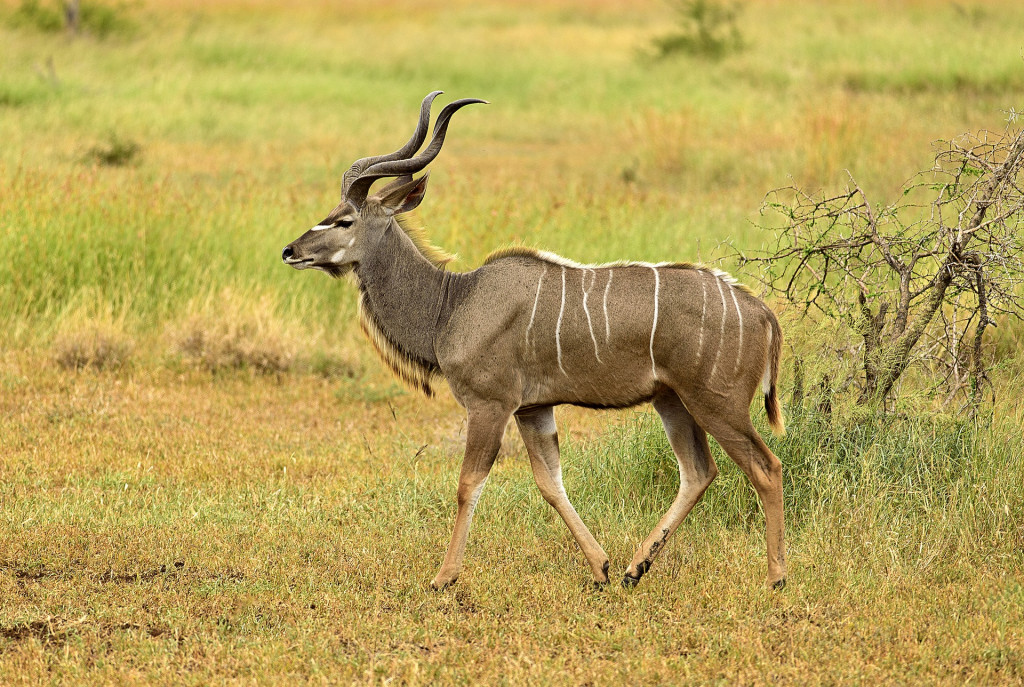
Kudu
2
White-faced Whistling Duck
3
Own this park or reserve?
Claim it to update its details and photos, add what you offer, reply to travellers and promote it on Wapota. It’s free.
Claim this listing →