
About
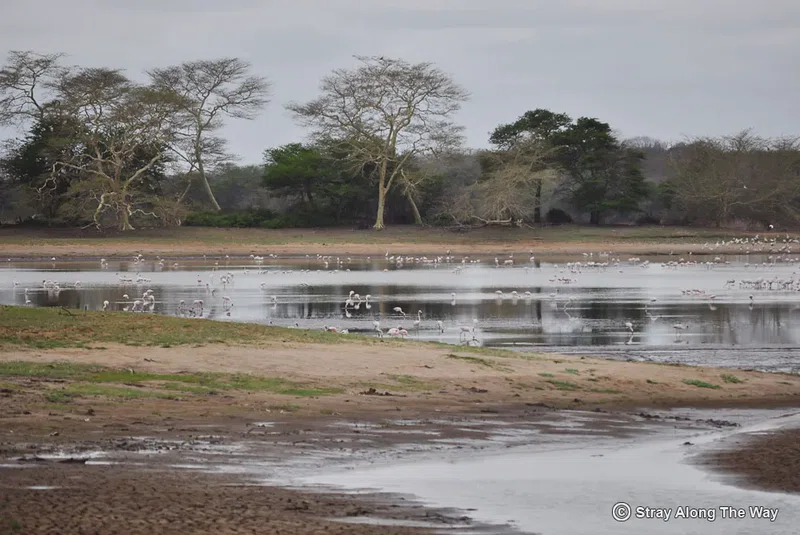
Ndumo Game Reserve is a significant protected area located in the remote Maputaland region of northeastern KwaZulu-Natal, South Africa, bordering Mozambique. Established in 1924, the reserve spans approximately 10,117 to 11,000 hectares and is renowned for its exceptional biodiversity, particularly its wetlands. The Usuthu River forms its northern boundary, while the Pongola River flows through the reserve to its confluence with the Usutu. This unique geographical position and the presence of extensive pans, floodplains, and rivers contribute to a diverse array of habitats, including sand forest, dense riverine forest, reed beds, grasslands, and various woodlands. Ndumo is recognized as a Ramsar wetland of international importance, designated in 1997.
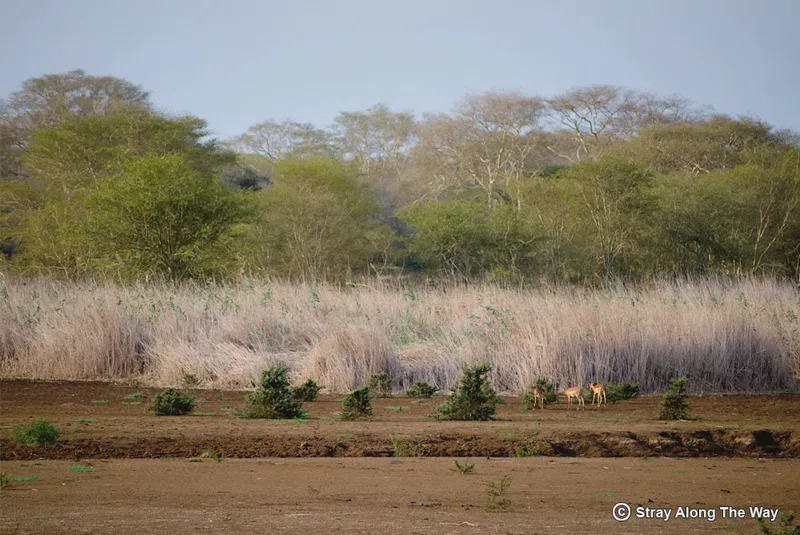
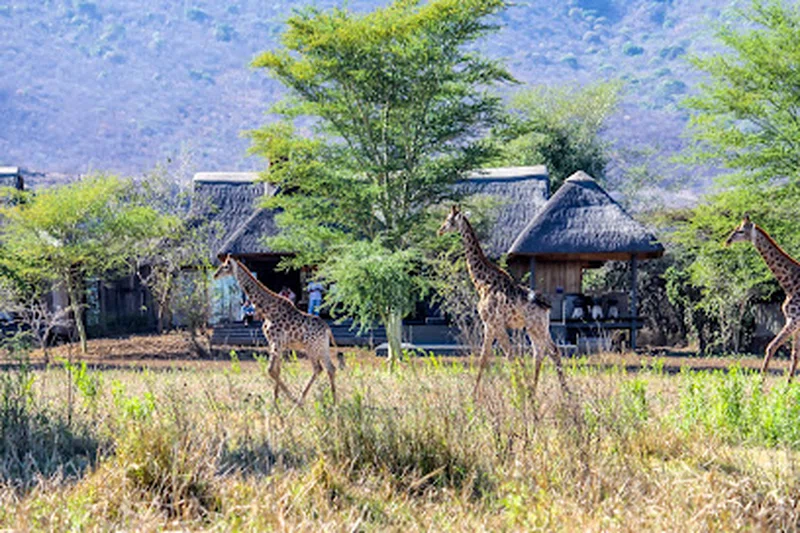
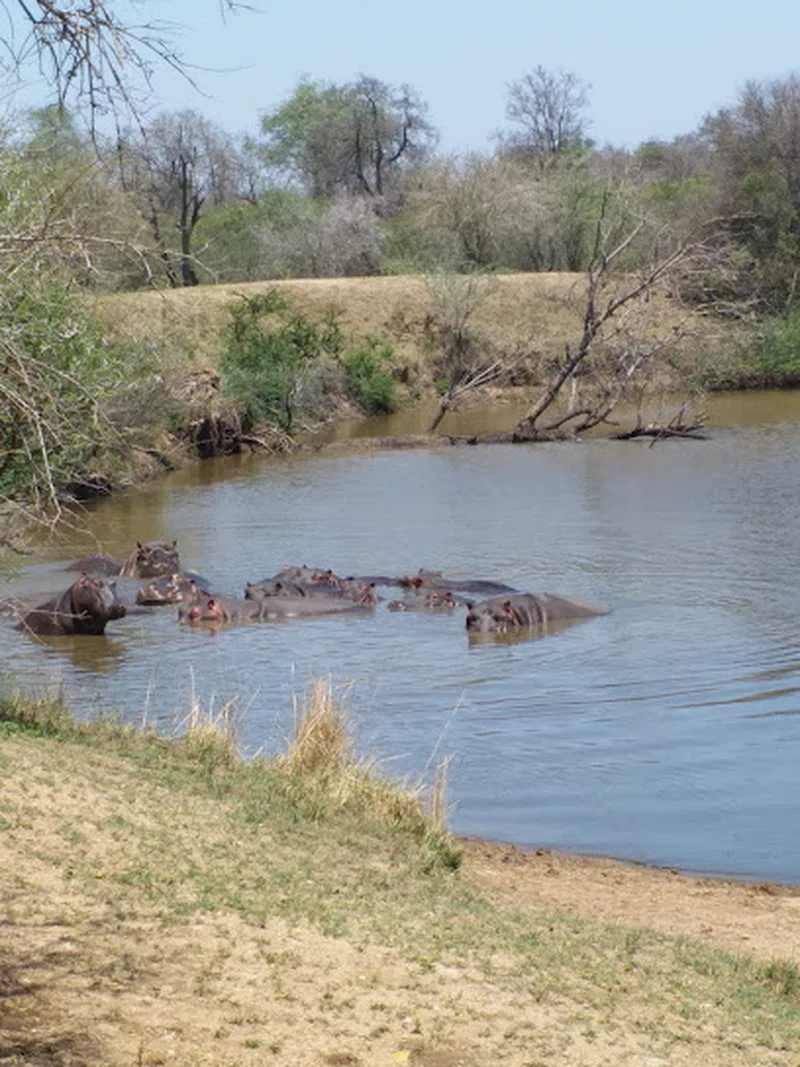
The reserve is celebrated as a birding paradise, boasting the highest bird count in South Africa with over 430 recorded species, including many tropical East African forms at the southernmost limit of their range. Birdwatchers can seek out species such as Pel's Fishing Owl, Narina Trogon, African Broadbill, Eastern Nicator, African Cuckoo-Hawk, Black Egret, Pelicans, and Pygmy Geese. Beyond its avian inhabitants, Ndumo is home to a variety of large mammals, including hippopotamus, a significant population of Nile crocodiles, nyala, impala, giraffe, Cape buffalo, and both black and white rhino. Smaller antelope species like red duiker, bushbuck, and suni are also present. While large cats are absent, the reserve is rich in herpetofauna and insects, with 66 recorded species of mosquito.
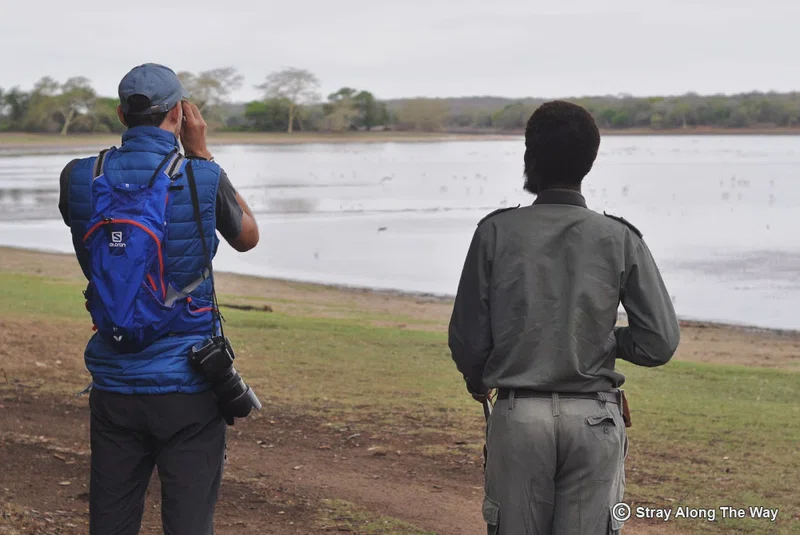
Visitors to Ndumo Game Reserve can engage in self-drive game viewing in designated areas or opt for guided open-vehicle game drives and bush walks with experienced guides, offering access to more exclusive parts of the reserve. Accommodation is available at the Ndumo Rest Camp, which provides seven two-bedded self-catering huts equipped with basic amenities, communal ablutions, and a shared kitchen. A campsite is also available for tents and caravans. It is important for visitors to note that Ndumo is situated in a malaria-endemic area, and bilharzia is present in the rivers, necessitating appropriate health precautions. The reserve has a complex social history, including the forced eviction of local communities in the mid-20th century, and faces ongoing challenges with illegal resource utilization despite its protected status.
Own this park or reserve?
Claim it to update its details and photos, add what you offer, reply to travellers and promote it on Wapota. It’s free.
Claim this listing →