
About
Nkasa Rupara National Park, formerly known as Mamili National Park, is Namibia's largest formally protected wetland area, situated in the southern Caprivi Strip in the south-western corner of East Caprivi. Proclaimed on March 1, 1990, the park was renamed in 2012, with its current name referring to the two dominant Kwando River islands, Nkasa and Rupara, within its boundaries. The park spans approximately 320 square kilometers and is characterized by a flat landscape dominated by channels of reed beds, lagoons, and numerous termitaria islands. The Kwando River forms the western boundary, while the Linyanti River defines the south-eastern border; these are essentially different names for the same river. The park's ecosystem is heavily influenced by periodic flooding from the Kwando River, which, during high water levels, transforms the area into a dynamic wetland resembling a miniature Okavango Delta.
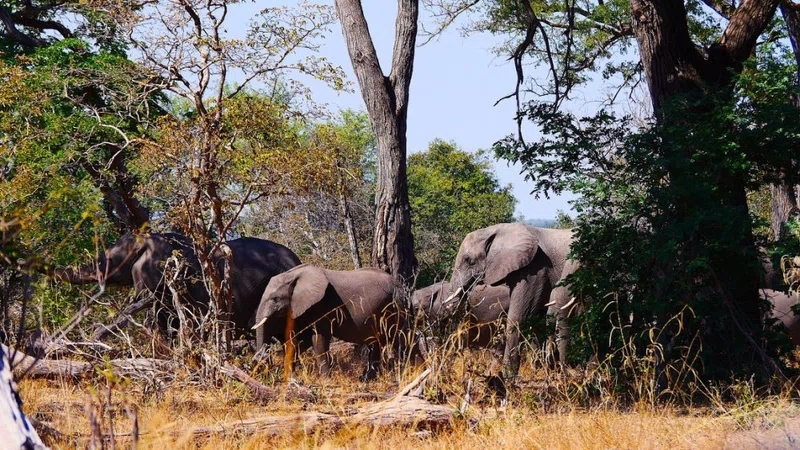
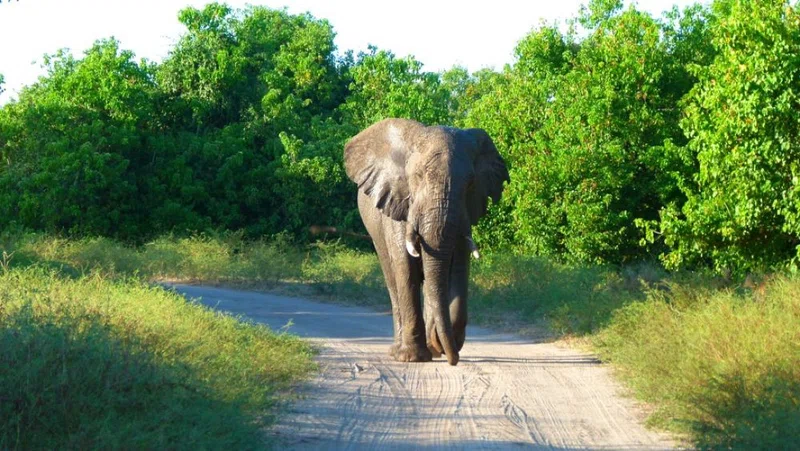
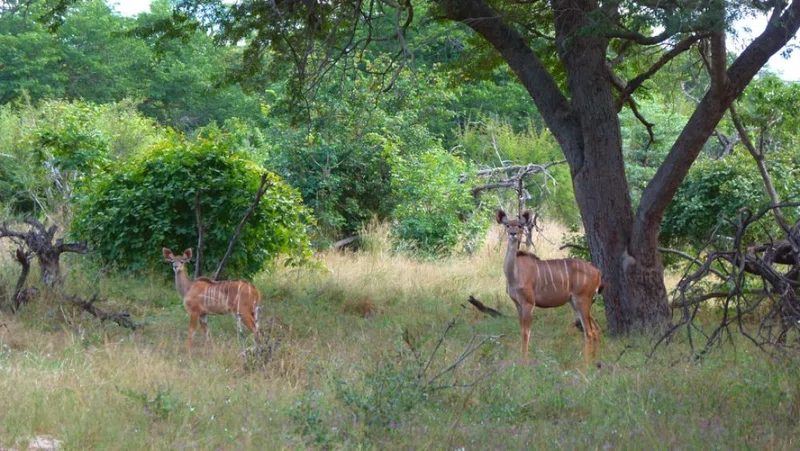
This unique environment supports a rich diversity of flora and fauna. The woody vegetation on higher, less frequently flooded islands includes species like knob thorn, paper-bark acacia, leadwood, and sausage trees. Nkasa Rupara serves as a vital trans-boundary corridor for large mammal migration between Namibia, Botswana, Angola, and Zambia. It boasts Namibia's largest concentration of buffalo, with approximately 1,000 individuals, and is home to around 560 hippopotami and 500 crocodiles. Other notable mammals include elephants, lions, leopards, cheetahs, spotted hyenas, African wild dogs, roan antelopes, impala, kudus, warthogs, and rare antelope species such as sitatungas, pukus, red lechwe, and reedbucks. The park is also a birdwatcher's paradise, with over 430 recorded bird species, including rare and endangered ones like wattled cranes, Pel's fishing-owl, Slaty Egret, and Dickinson's Kestrel.
Visiting Nkasa Rupara National Park offers an authentic wilderness experience, requiring a 4x4 vehicle equipped with recovery gear due to the challenging, often muddy and waterlogged terrain. Visitors must be entirely self-sufficient as there are no shops, fuel stations, or other facilities within the park. Park fees can be pre-paid at Ministry of Environment and Tourism offices or upon arrival. For overnight stays, two designated camping areas, Mparamura (also known as Nzalu) and Lyadura, are available along the Kwando River. Wildlife viewing is generally best during the drier months from June to October, when animals congregate around remaining water sources. The park is situated in a malaria-prone area, and it forms part of the larger Kavango Zambezi Transfrontier Conservation Area (KaZa TFCA), highlighting its regional conservation significance.
Wildlife & Birds
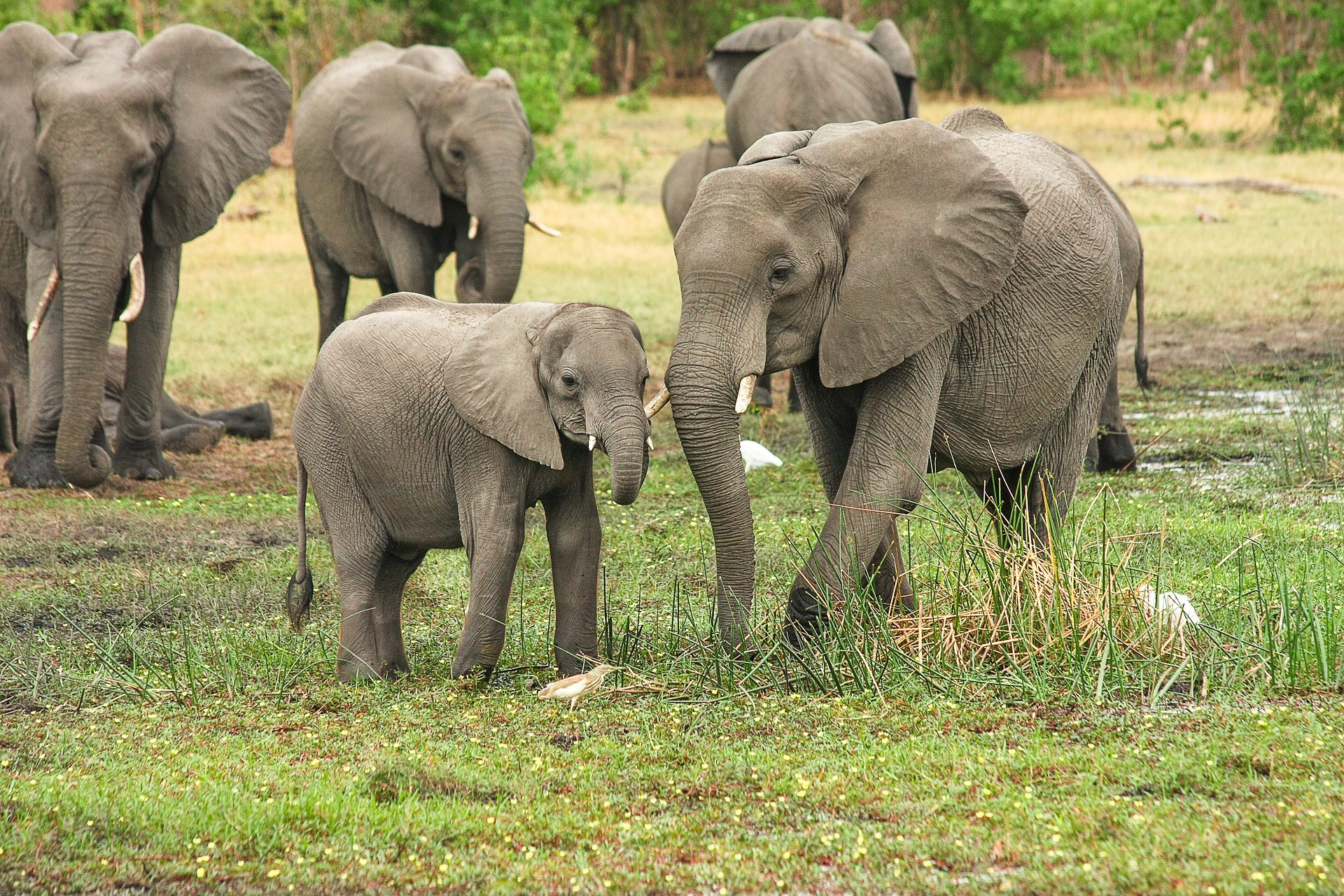
Elephant
3
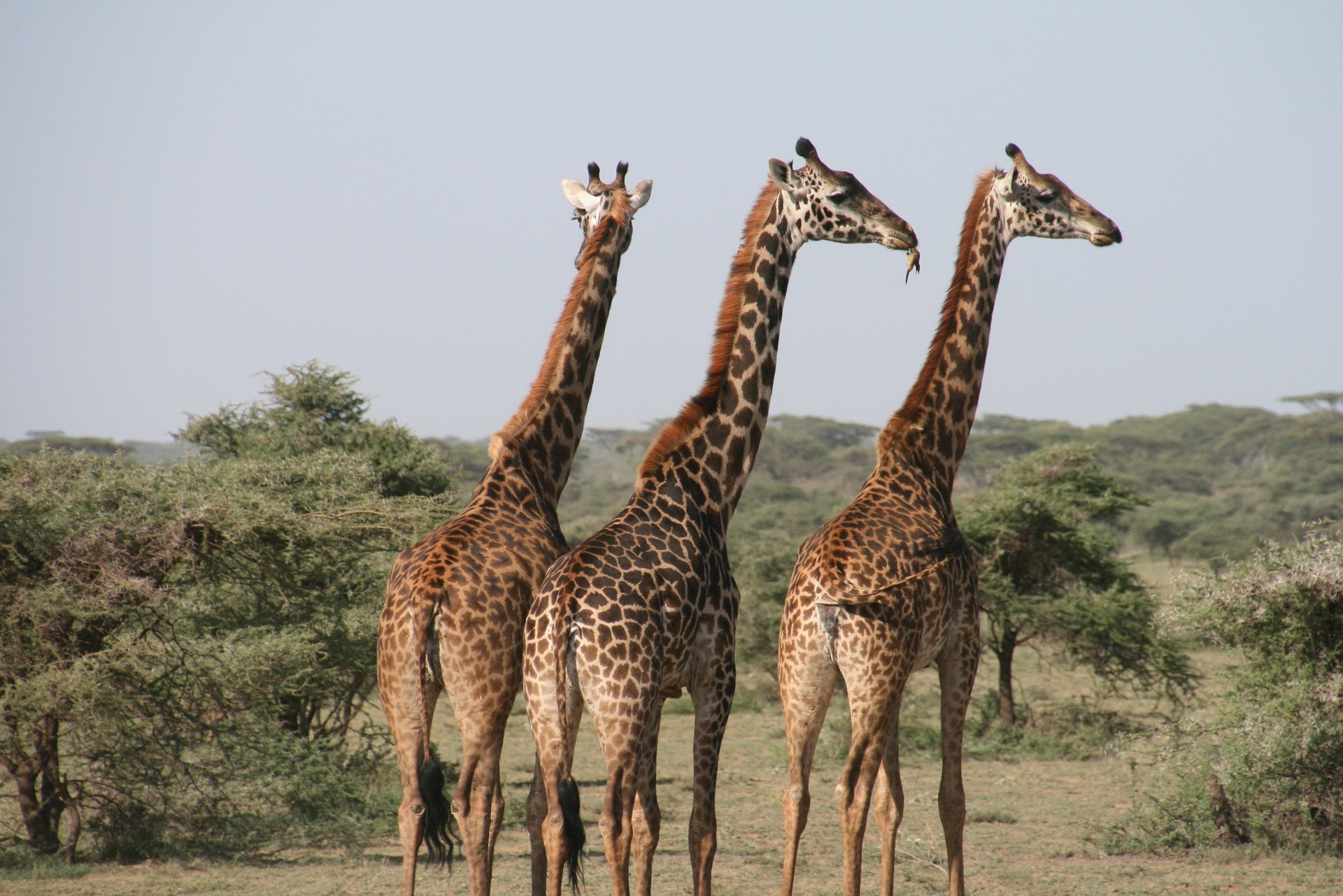
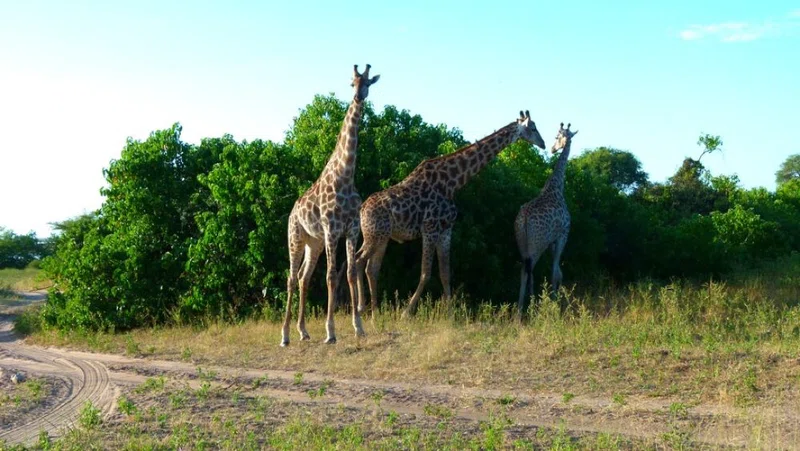
Giraffe
1
Hippo
4
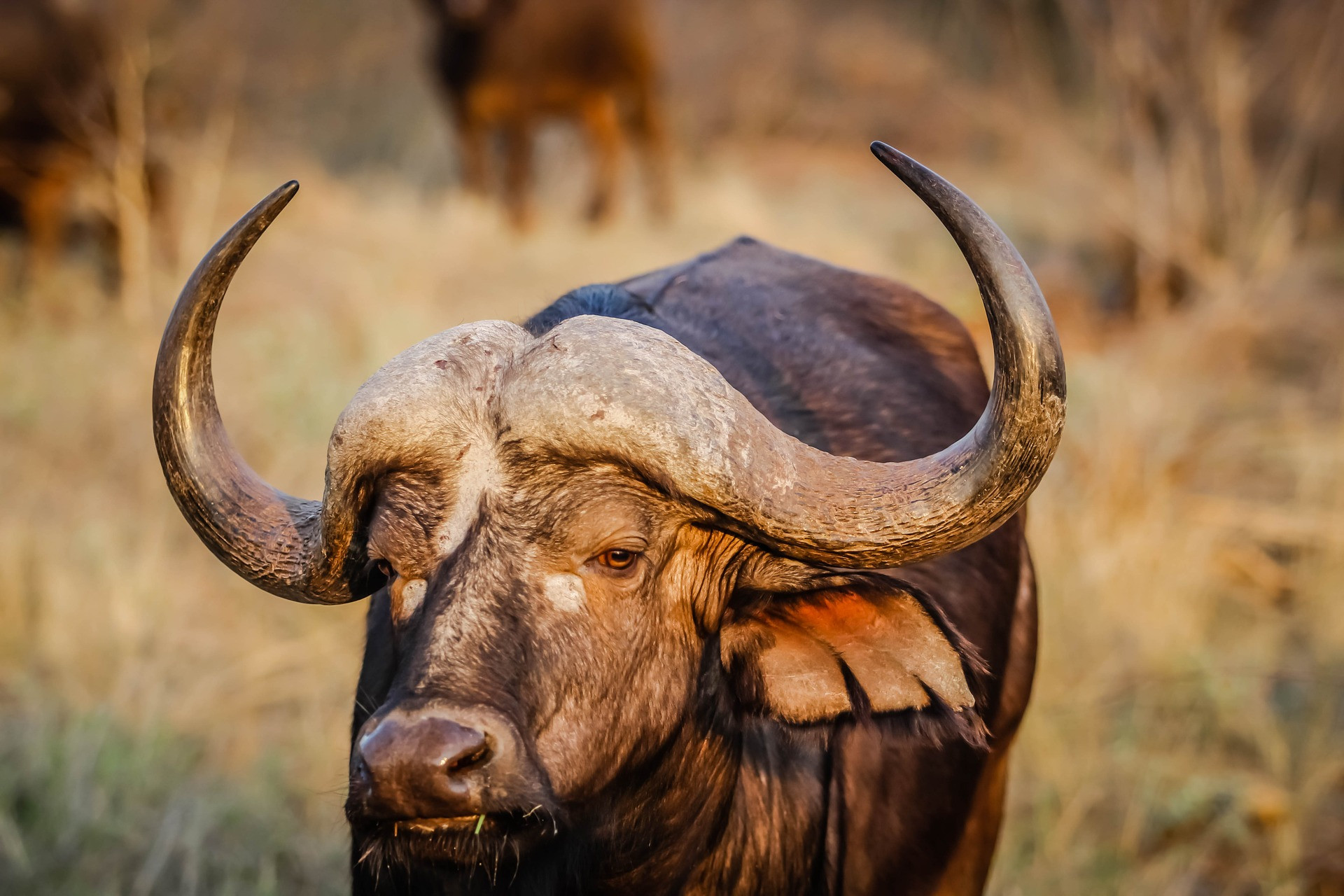
Buffalo
3
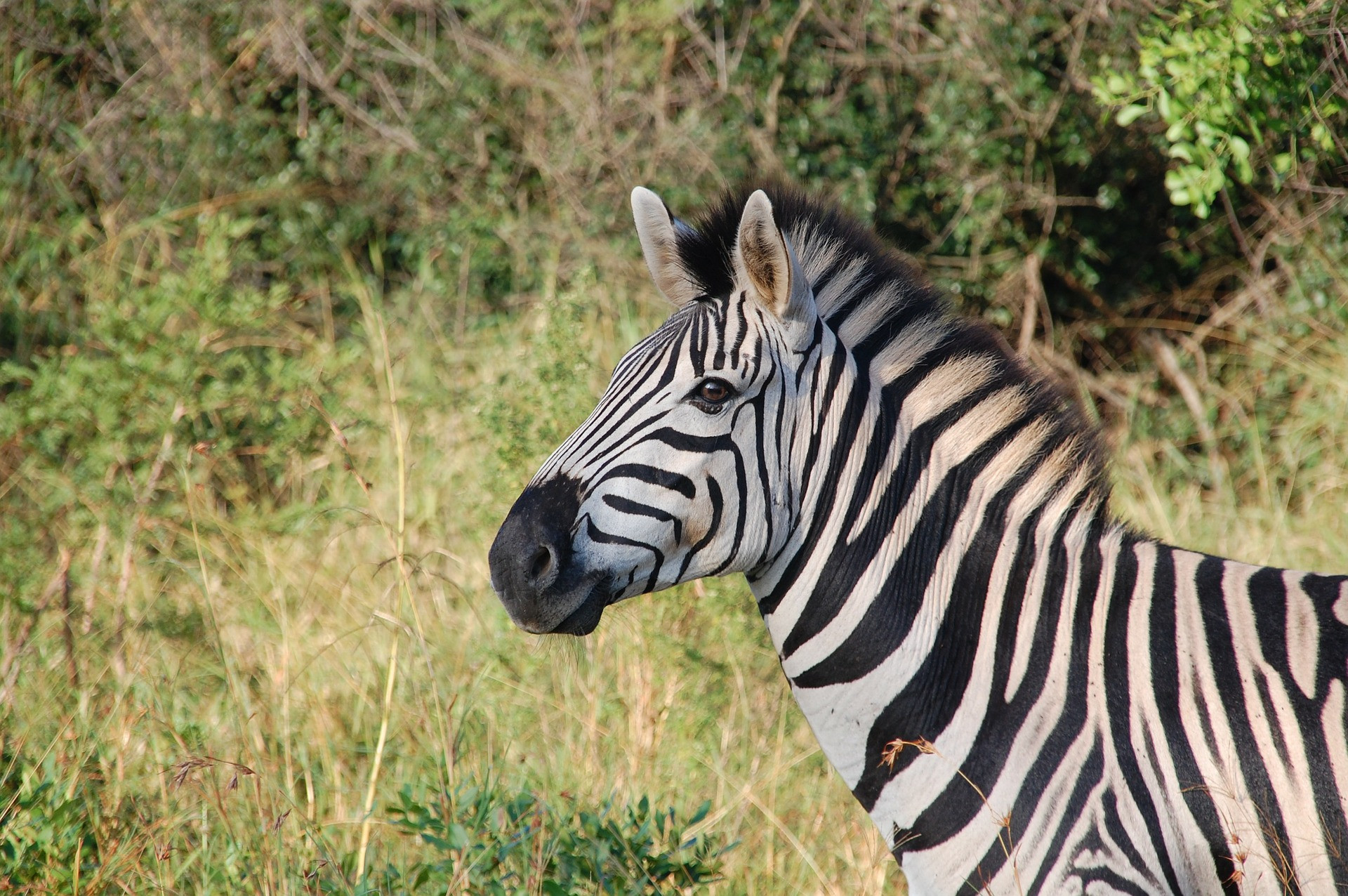
Zebra
2
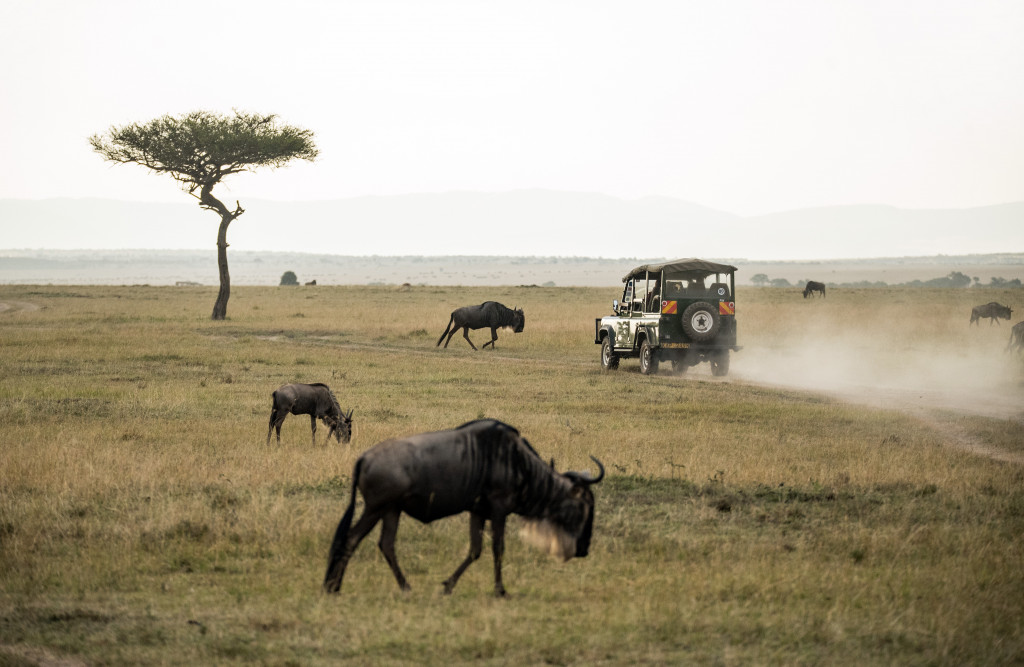
Wildebeest
2
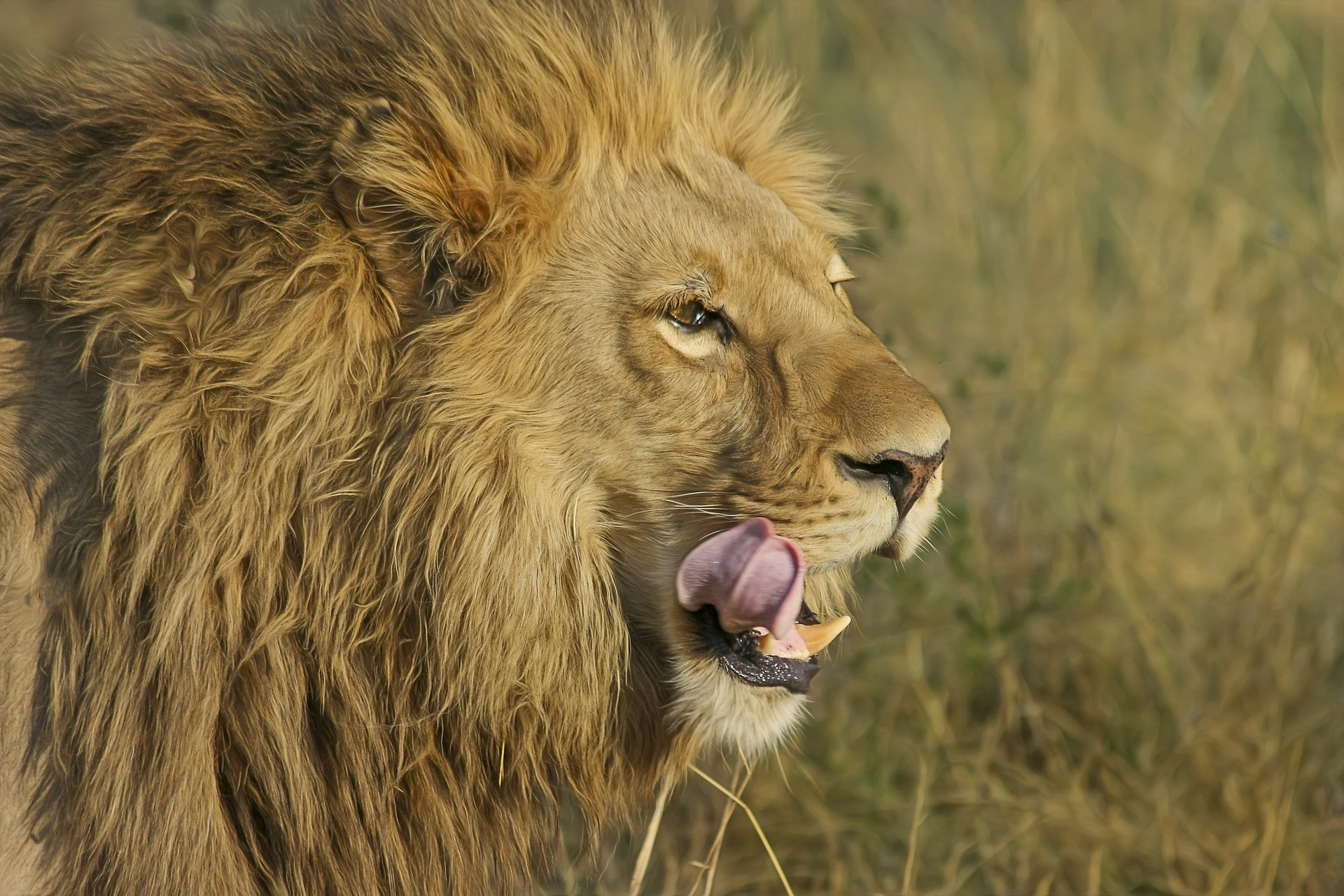
Lion
2
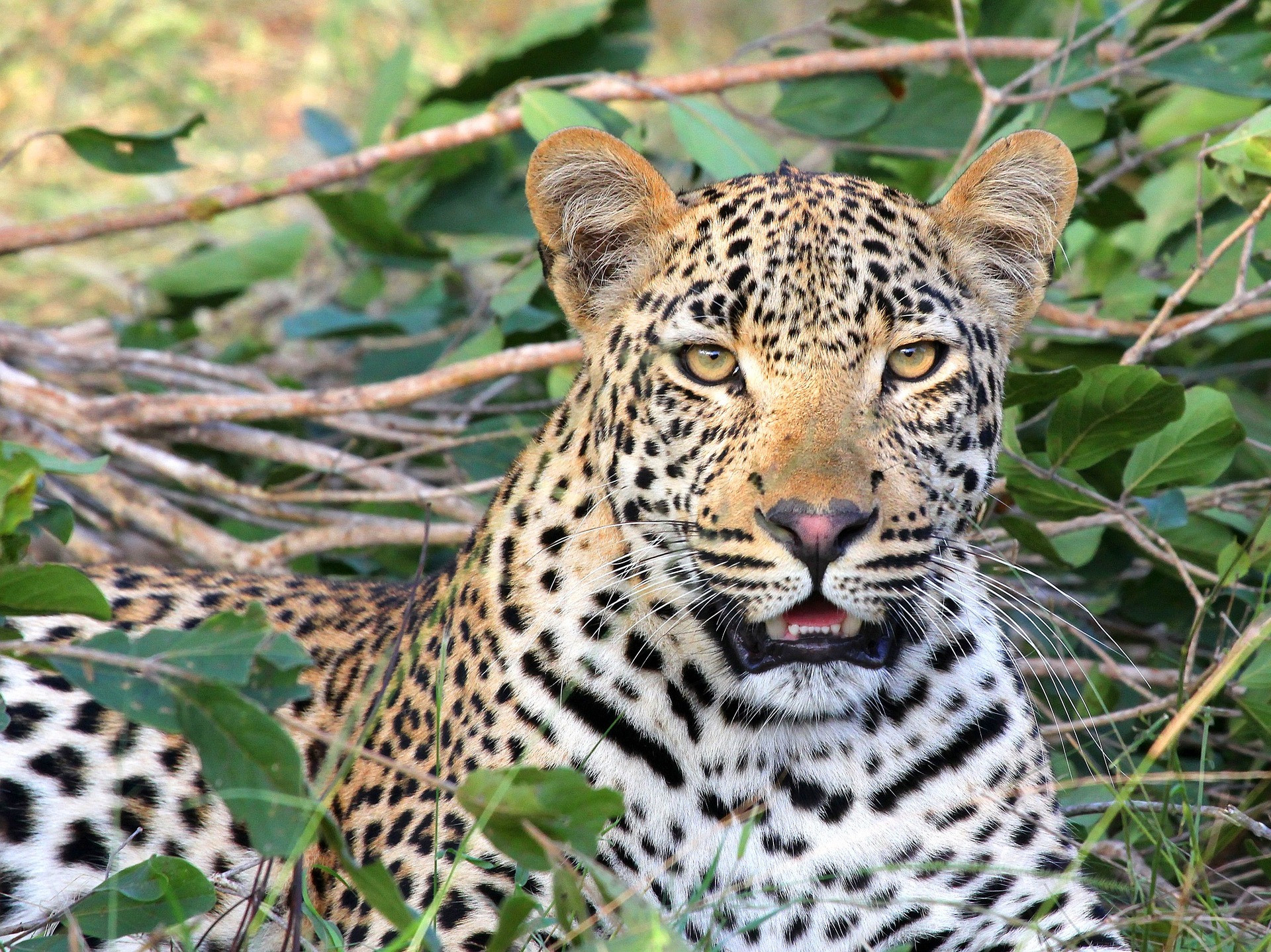
Leopard
1
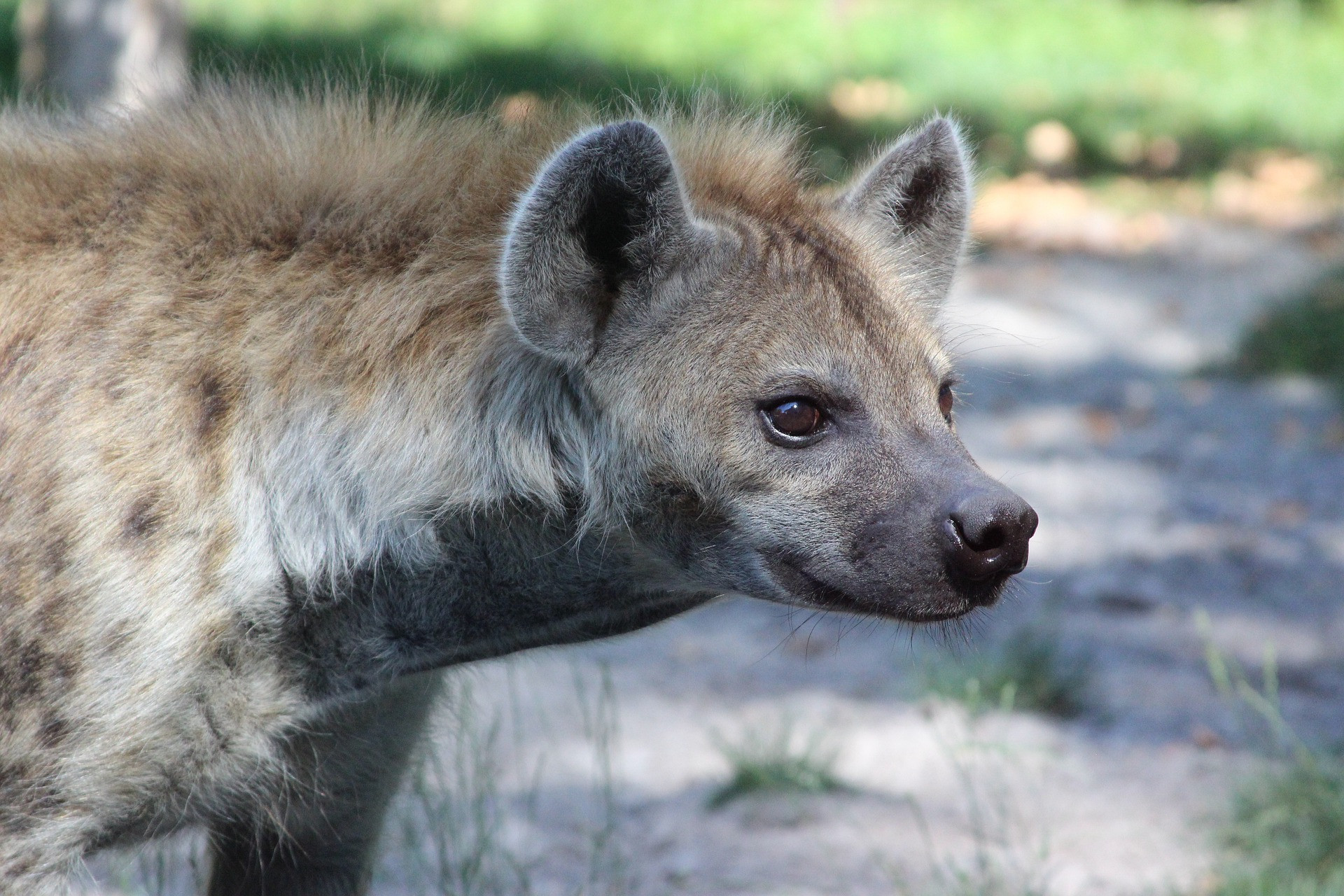
Hyena
2
Wild Dog
1
African Jacana
3
Bradfield's Hornbill
1
Collared Palm Thrush
3
Rufous-bellied Heron
3
Southern Carmine Bee-eater
3
Own this park or reserve?
Claim it to update its details and photos, add what you offer, reply to travellers and promote it on Wapota. It’s free.
Claim this listing →