
About
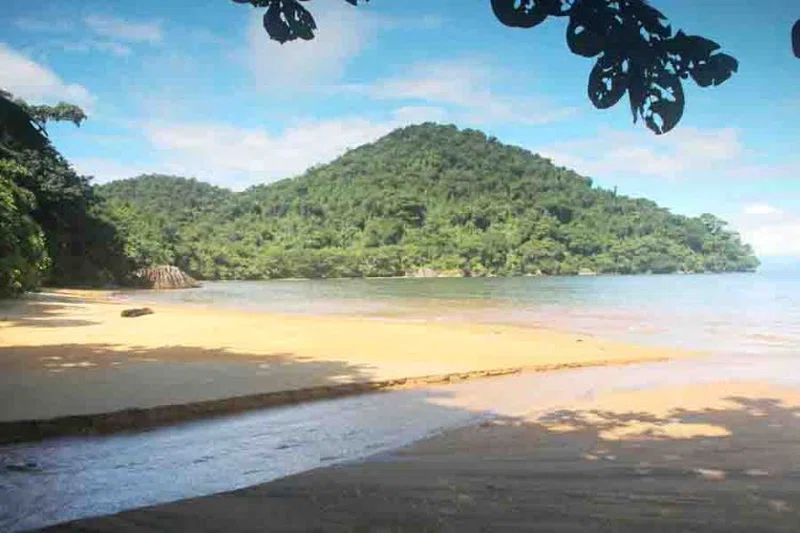
Nosy Mangabe National Park is an island reserve located in Antongil Bay, off the northeast coast of Madagascar, a few kilometers southeast of Maroantsetra. It is part of the larger Eastern Ecoregion and encompasses four islands: Nosy Mangabe (563 Ha), Nosy Milomboko (74 Ha), Nosy Haramy (51 Ha), and Nosy Ravina (41 Ha), totaling 729 hectares. The park was reclassified from a Special Reserve to a National Park on April 28, 2015. The island is characterized by dense, humid tropical rainforest, with a continuous, closed canopy of large trees and loose undergrowth, ranging from 0 to 400 meters in altitude. The annual rainfall is high, contributing to its lush environment.
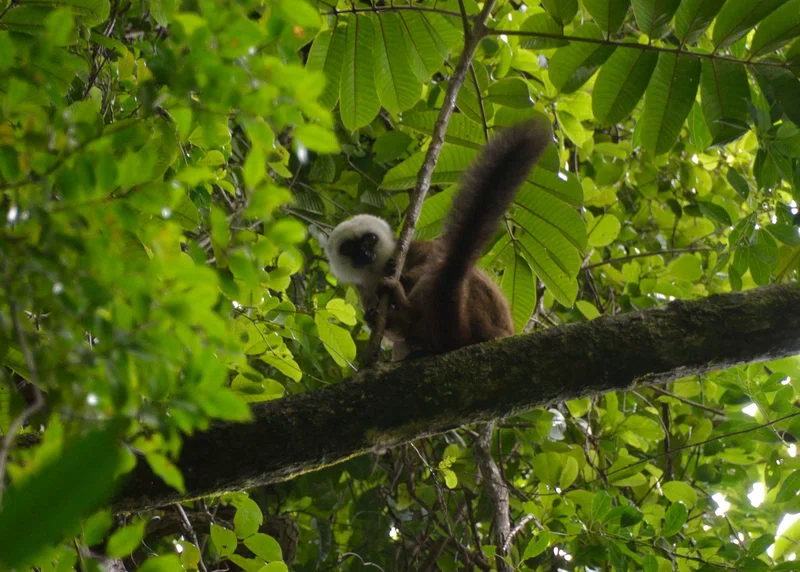
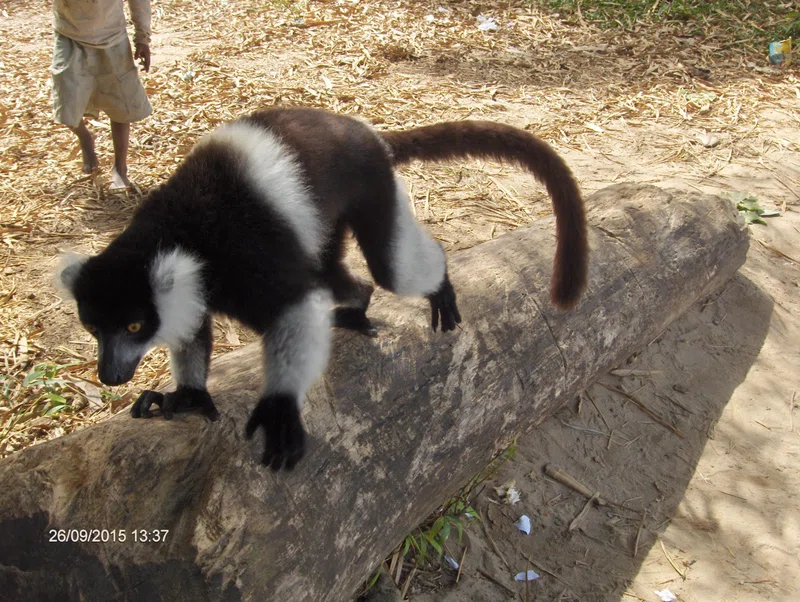
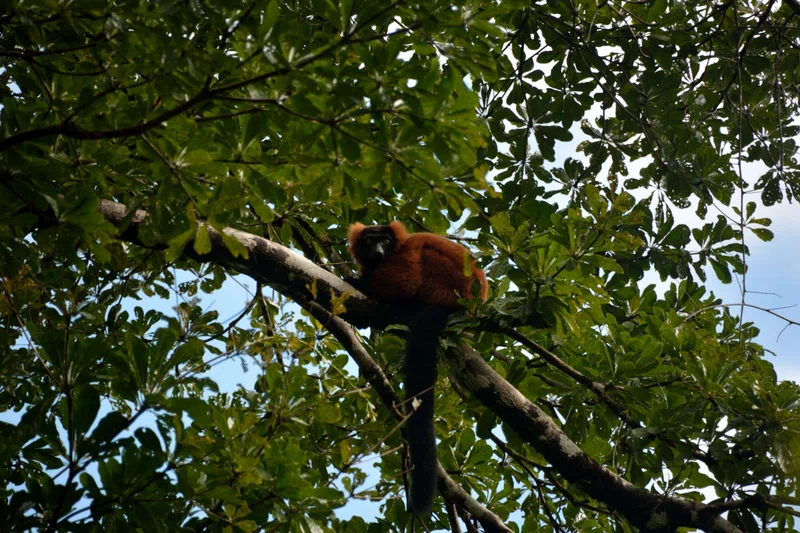
The park boasts exceptional biodiversity and a high level of local endemism. It is particularly renowned as a sanctuary for the elusive, nocturnal aye-aye, which was introduced to the island in the 1960s for conservation purposes. While night walks to spot aye-ayes are sometimes possible, other lemur species such as the black-and-white ruffed lemur, white-fronted brown lemur, Eastern woolly lemur, and gray mouse lemur are more frequently observed, even around the campground in the evenings. The island is also a haven for a diverse array of reptiles and amphibians, including Madagascar tree boas, various colorful frogs (like Mantella laevigata), chameleons (such as pintsized pygmy chameleons and panther chameleons), and notably, the largest concentration of leaf-tailed geckos (Uroplatus fimbriatus) in Madagascar. Marine life in Antongil Bay is also significant, with humpback whales visiting from July to September for breeding, earning the bay the moniker "cradle of whales." Dolphins and sea turtles are also present in the bay.
Nosy Mangabe offers a range of activities for visitors, primarily focused on exploring its natural beauty. Hiking is a popular pursuit, with several circuits of varying difficulty leading through the rainforest to discover flora and fauna, ancient graves, a waterfall, and an abandoned lighthouse. One notable trail leads to the Plage des Hollandais, where 16th-century rock carvings by Dutch sailors can be found, reflecting the island's rich history of trading and piracy. Sea kayaking, snorkeling, and swimming are also possible in the surrounding waters. The park provides basic camping facilities with sanitary amenities, though visitors are advised to bring their own food and equipment. Access to Nosy Mangabe is typically by boat from Maroantsetra, which can be reached by air from Antananarivo, or by a challenging multi-day road or sea journey from Tamatave. The ideal periods for visiting are from September to December and January to May, with August to November being drier and best for hiking, and July to September being prime whale-watching season.
Own this park or reserve?
Claim it to update its details and photos, add what you offer, reply to travellers and promote it on Wapota. It’s free.
Claim this listing →