
About
Nxai Pan National Park is located in central-eastern Botswana, situated just north of the main Maun-Nata highway and sharing its southern border with Makgadikgadi Pans National Park. Originally set aside as a 1,676-square-kilometer game reserve in 1970, the area was expanded in 1992 to incorporate Kudiakam Pan, increasing its total footprint to 2,578 square kilometers and granting it national park status. The park encompasses several large fossil lake beds formed by the drying of the ancient Superlake Makgadikgadi, including Nxai Pan, Kgama-Kgama Pan, and Kudiakam Pan. The flat terrain consists of expansive grassy plains scattered with islands of umbrella acacia trees and northern mopane woodland.
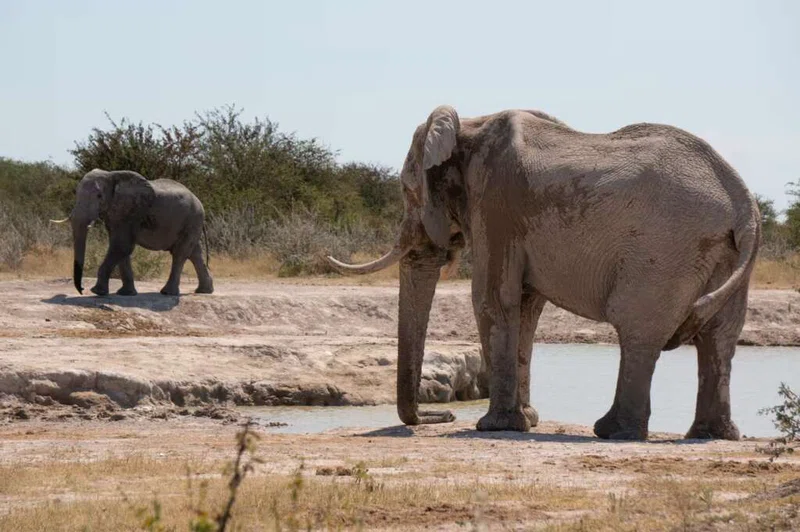
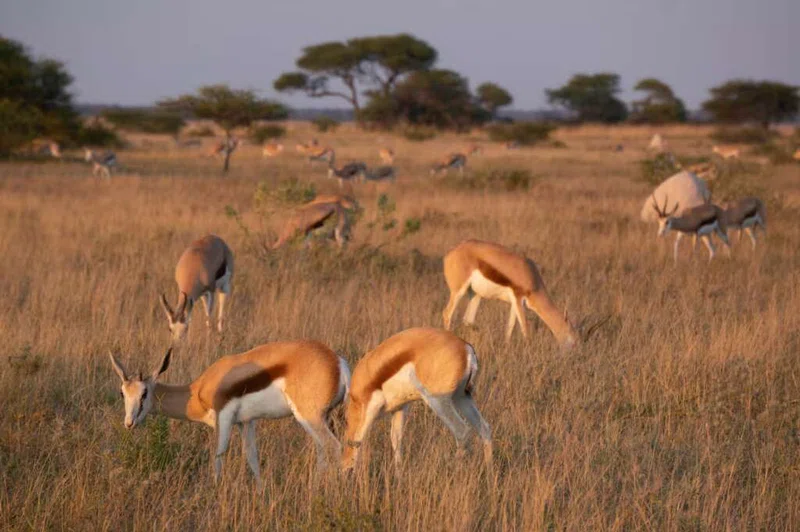
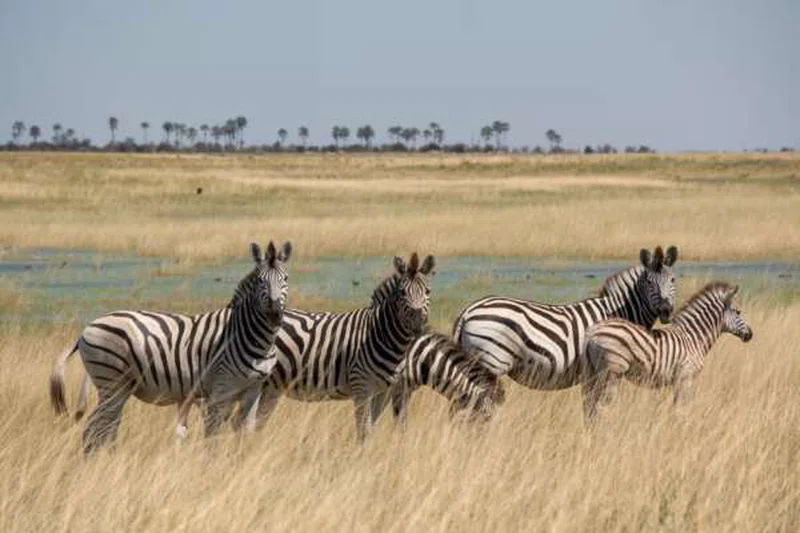
The park is famous for hosting Africa's second-largest zebra migration. During the wet summer months from December to April, seasonal rains transform the dry salt pans into lush grasslands, drawing thousands of zebras, blue wildebeests, springbok, gemsbok, and impalas to graze and give birth. This seasonal influx attracts major predators, including lions, cheetahs, leopards, African wild dogs, spotted hyenas, and brown hyenas. In the dry season from May to September, wildlife congregates around artificial permanent waterholes where giraffes, kudus, bat-eared foxes, jackals, ostriches, and elephants regularly gather.
A major historical and visual landmark within the park is Baines' Baobabs, a cluster of seven massive, thousand-year-old baobab trees located on the edge of Kudiakam Pan. The site was painted in 1862 by artist and explorer Thomas Baines while traveling with David Livingstone, and the slow-growing trees remain almost identical in appearance today. The region belongs to the ancestral settlement area of the San people, with the name Nxai referring to a curved stick traditionally used to dig out springhares from their burrows. The park is also incorporated into the five-nation Kavango-Zambezi Transfrontier Conservation Area.
Wildlife & Birds
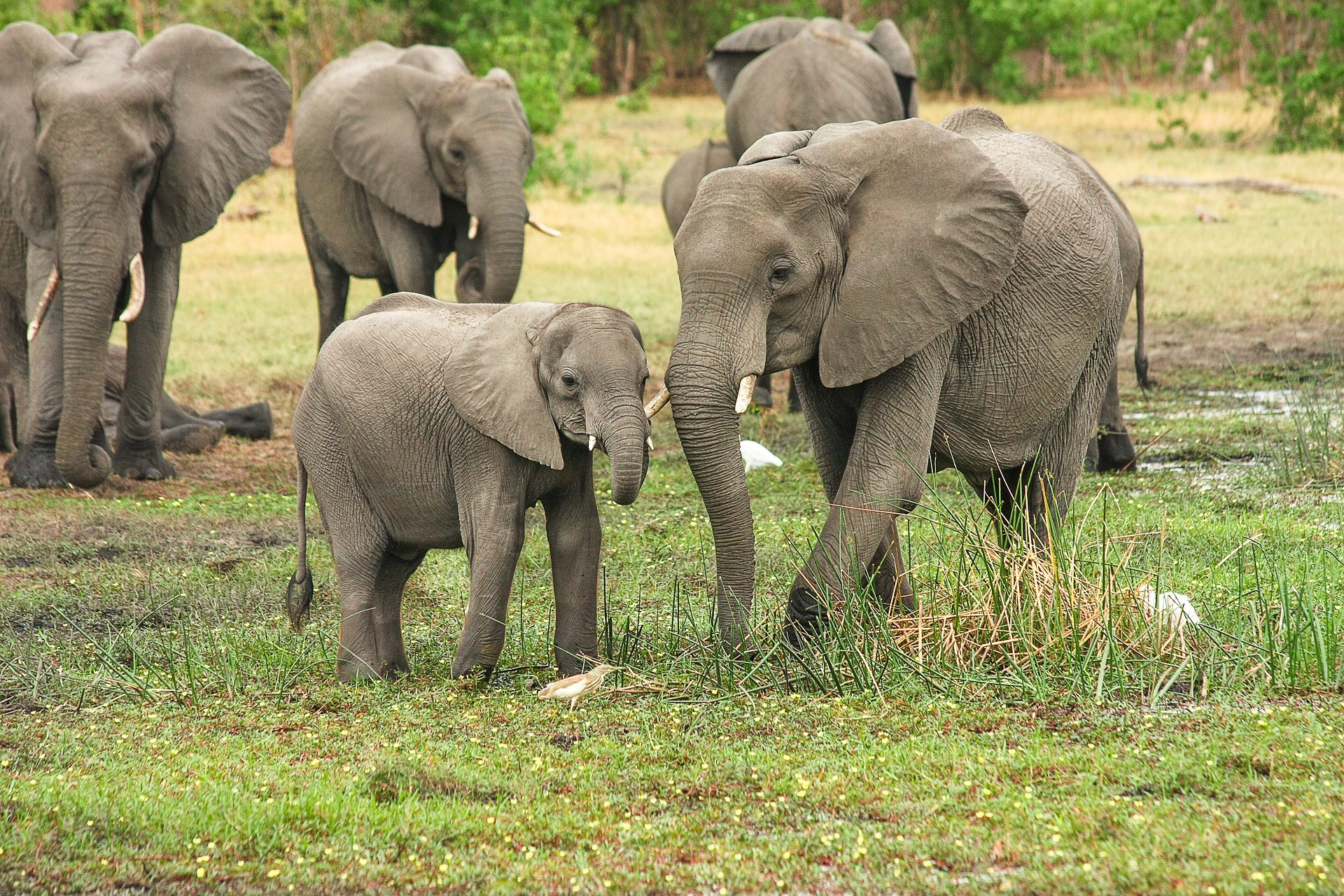
Elephant
2
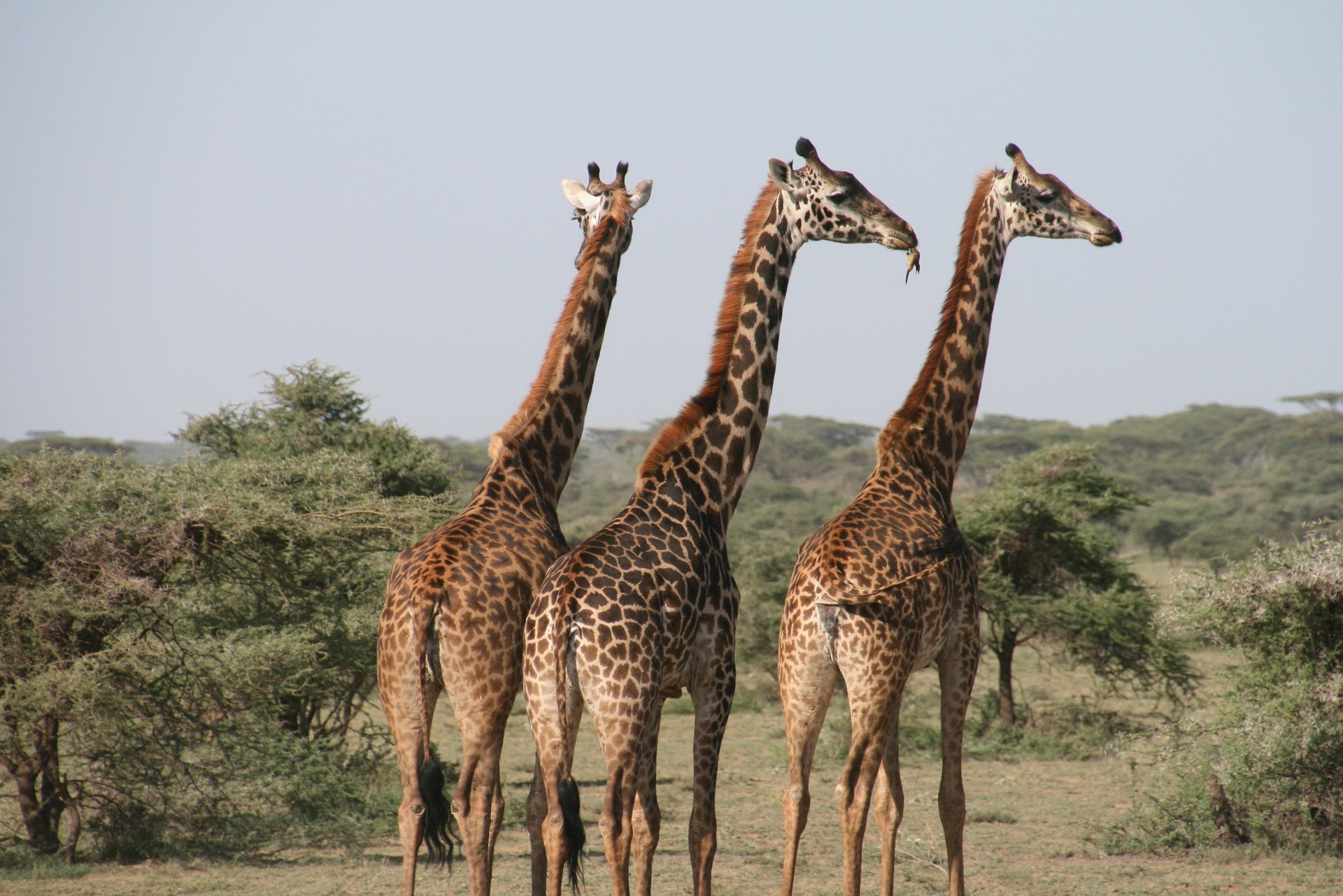
Giraffe
3
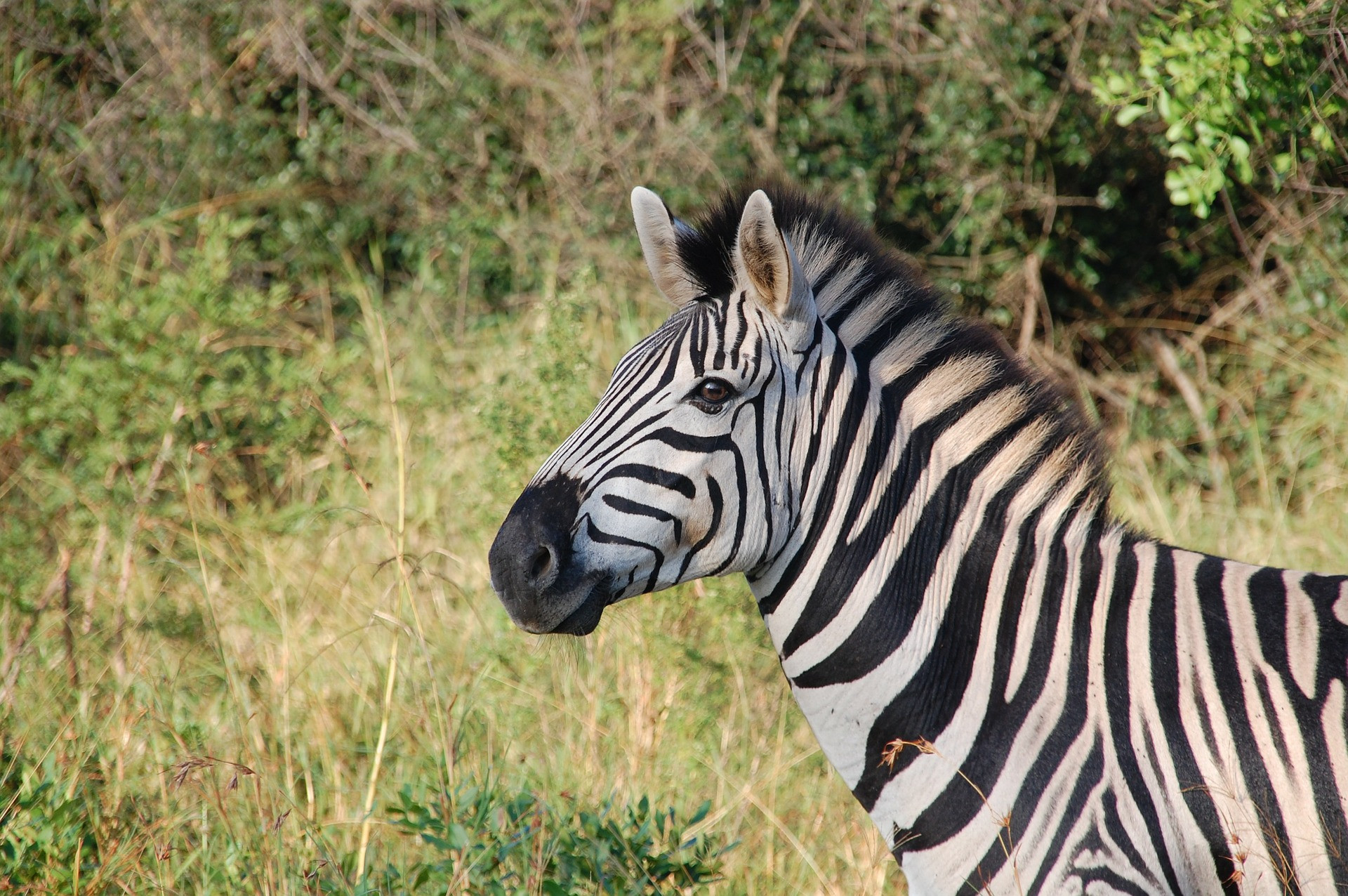
Zebra
4
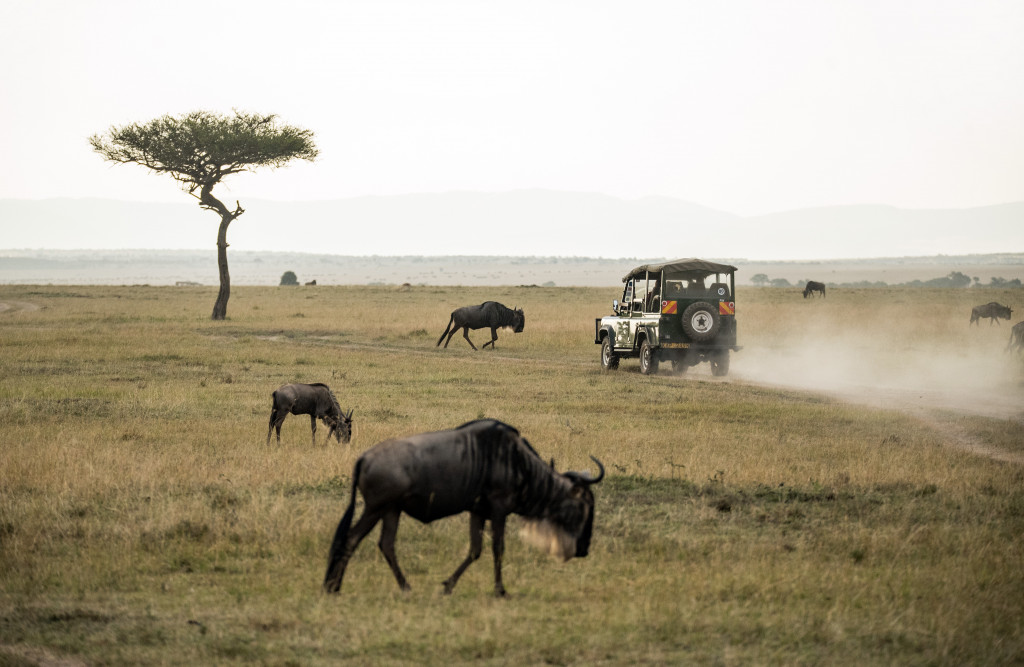
Wildebeest
4
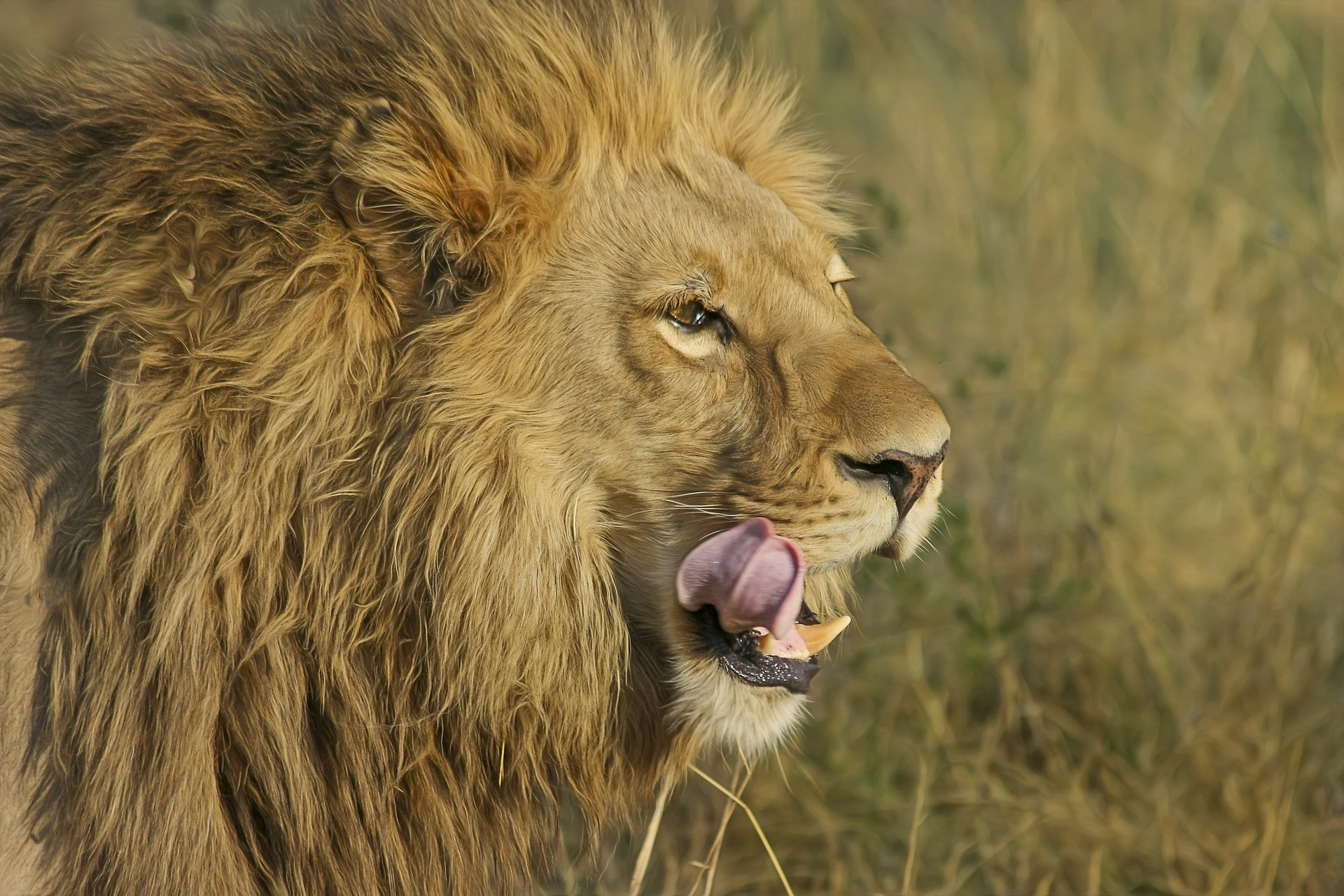
Lion
2
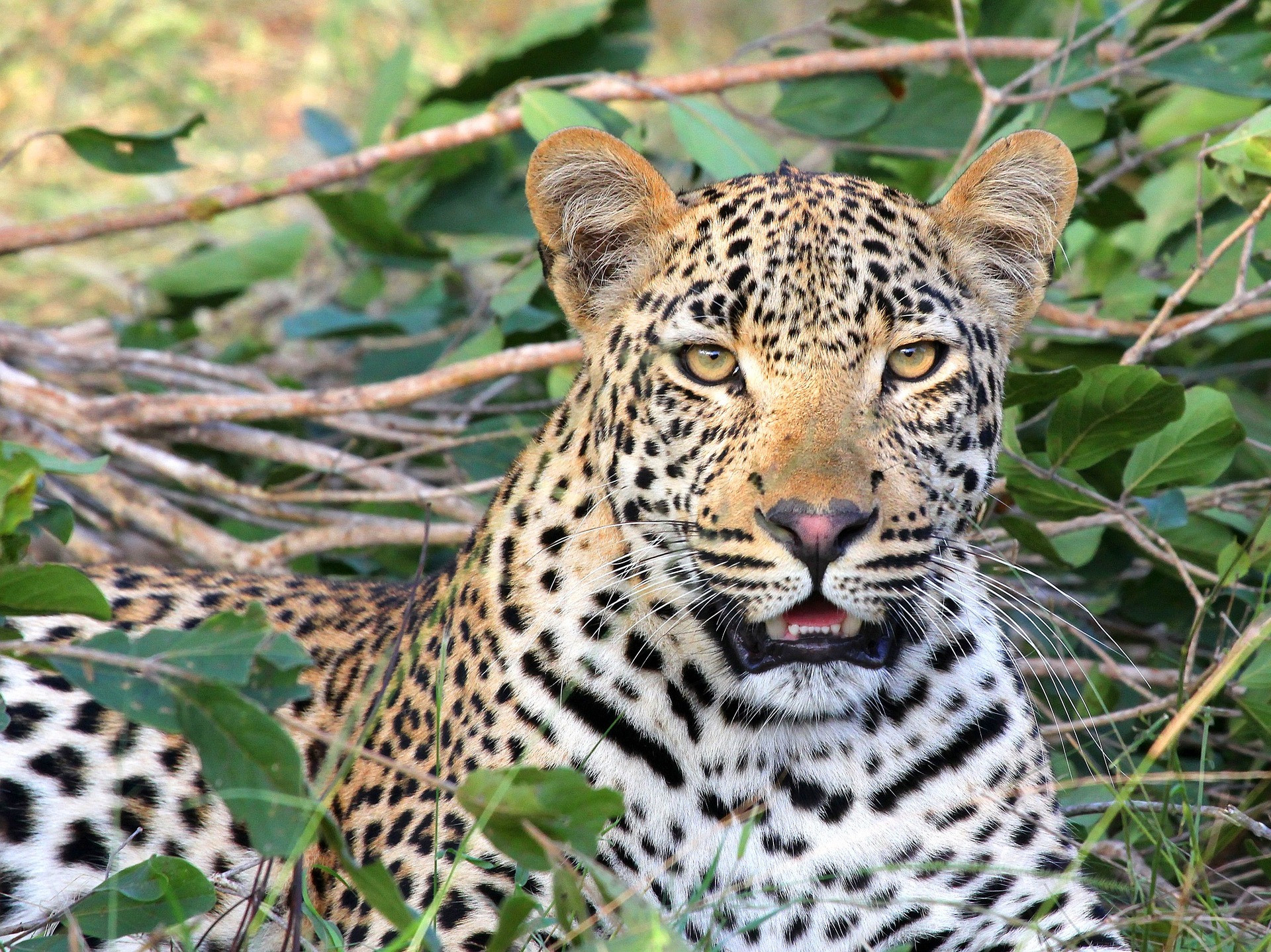
Leopard
1
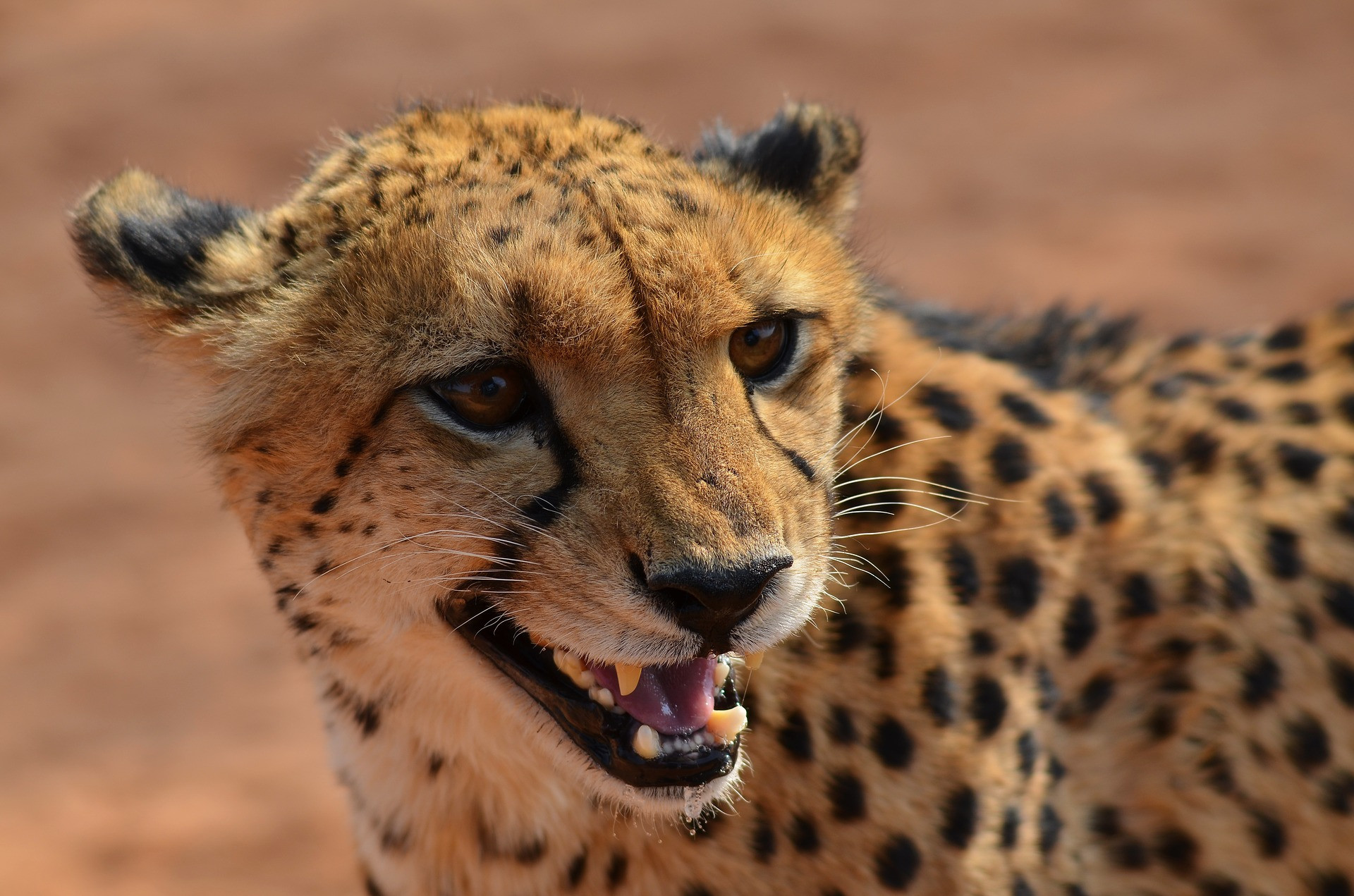
Cheetah
2
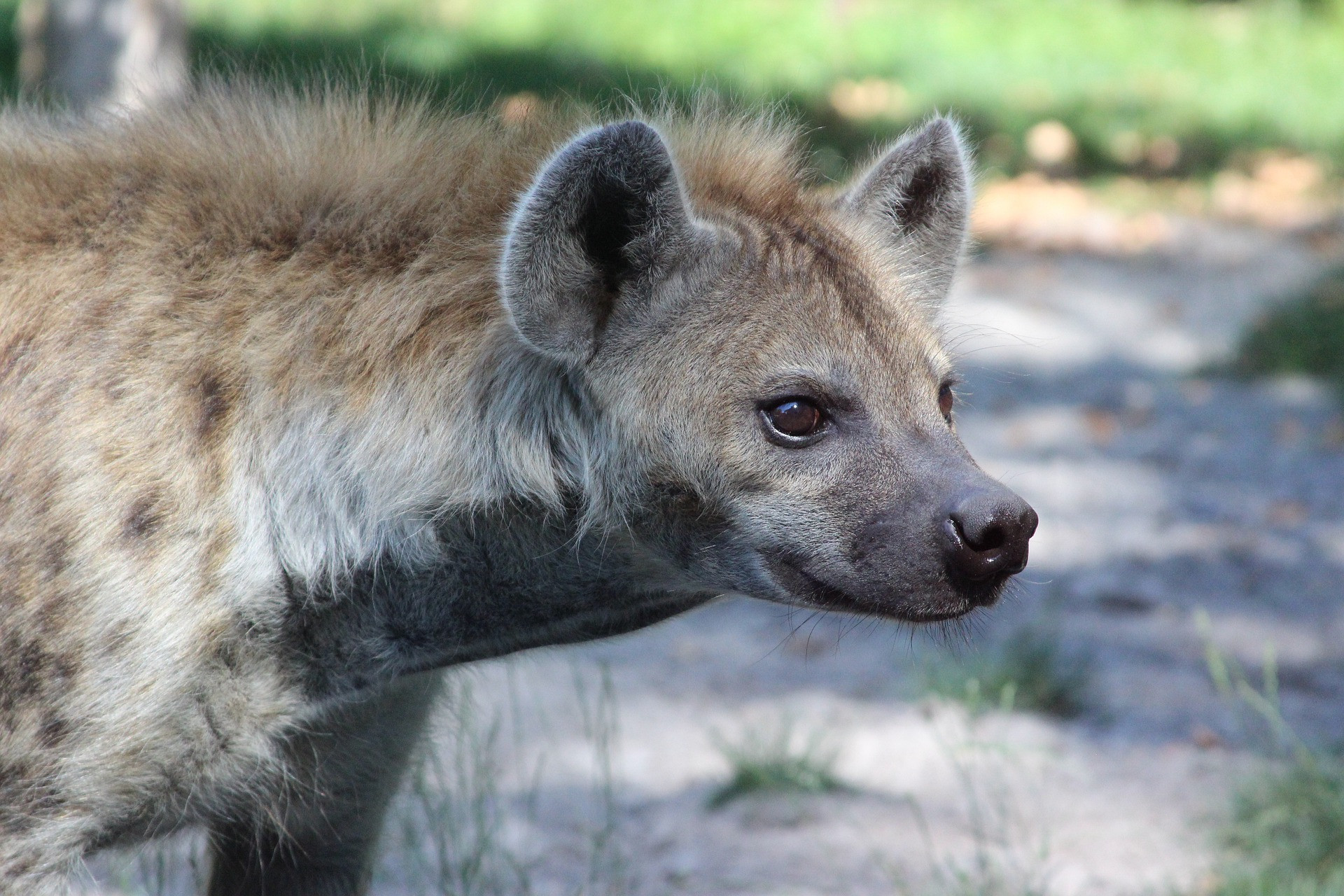
Hyena
2
Wild Dog
1
Black Bustard
3
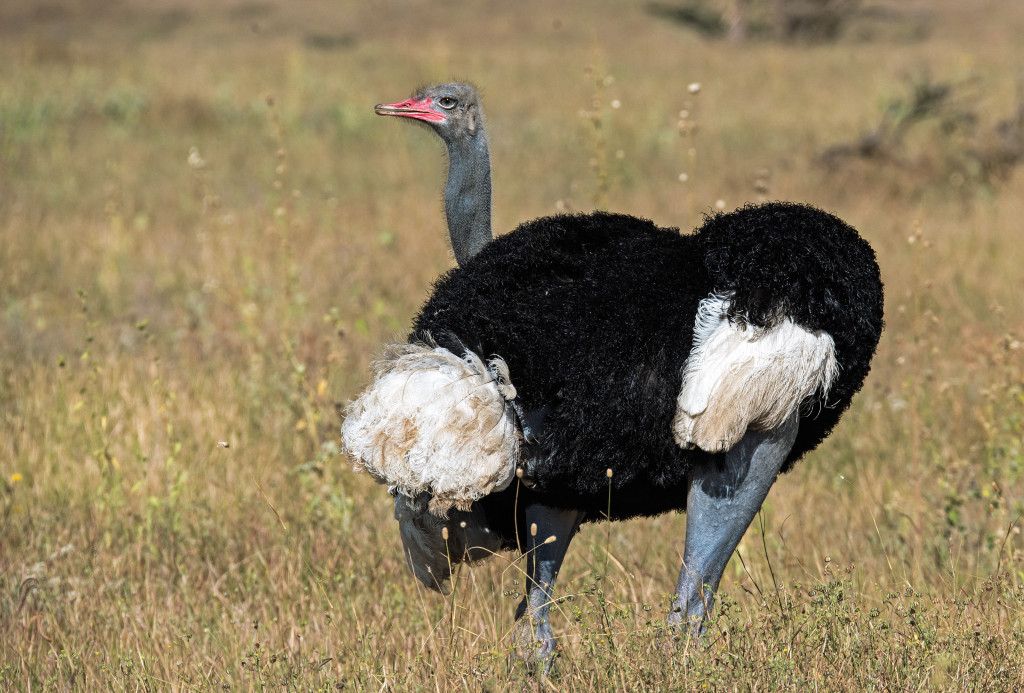
Common Ostrich
3
Pale Chanting Goshawk
3
Pin-tailed Whydah
3
Saddle-billed stork
3
Own this park or reserve?
Claim it to update its details and photos, add what you offer, reply to travellers and promote it on Wapota. It’s free.
Claim this listing →