
About
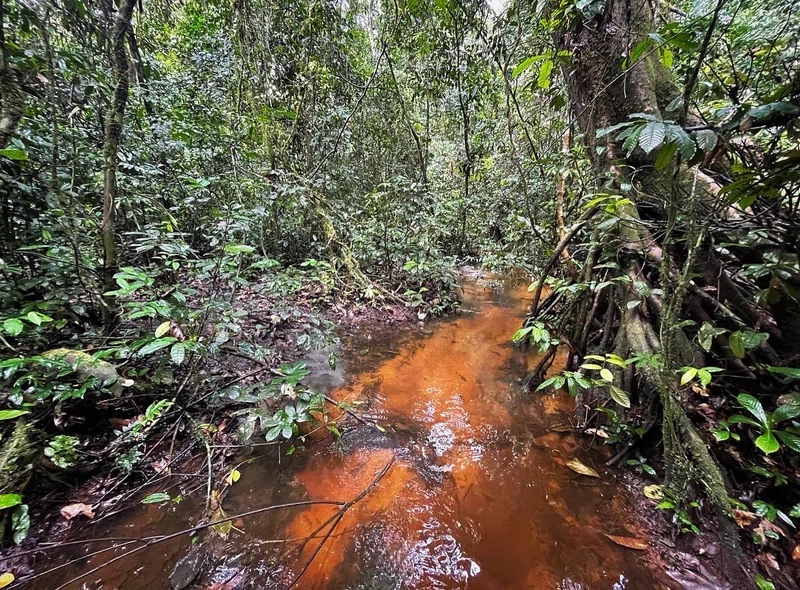
The Okapi Wildlife Reserve, a UNESCO World Heritage Site, is situated in the dense Ituri Forest in the north-eastern Democratic Republic of the Congo, bordering South Sudan and Uganda. Established in 1992 with the support of the Okapi Conservation Project, the reserve spans approximately 13,700 square kilometers, covering about one-fifth of the ancient Ituri Forest. This vast area, a Pleistocene refuge, ranges in altitude from 500m to 1000m and is characterized by a diverse landscape of dense evergreen and semi-evergreen forests, including mono-dominant Mbau tree stands, swamp forests along the Nepoko, Ituri, and Epulu rivers, and unique granite outcrops known as inselbergs. These inselbergs provide specialized microclimates, supporting endemic plant species like the giant cycad Encephalartos ituriensis. The reserve also features dramatic scenery, including waterfalls on its major rivers.
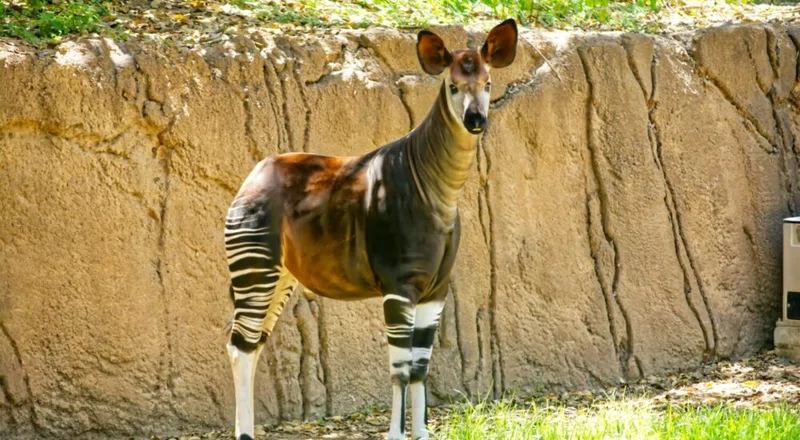
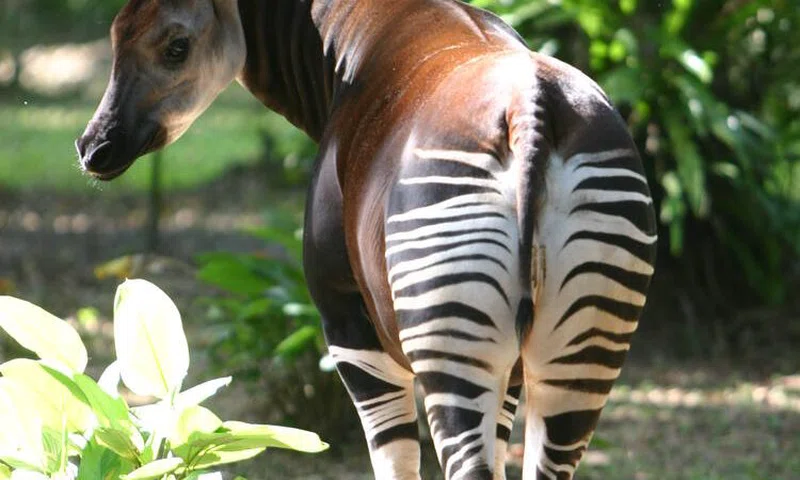
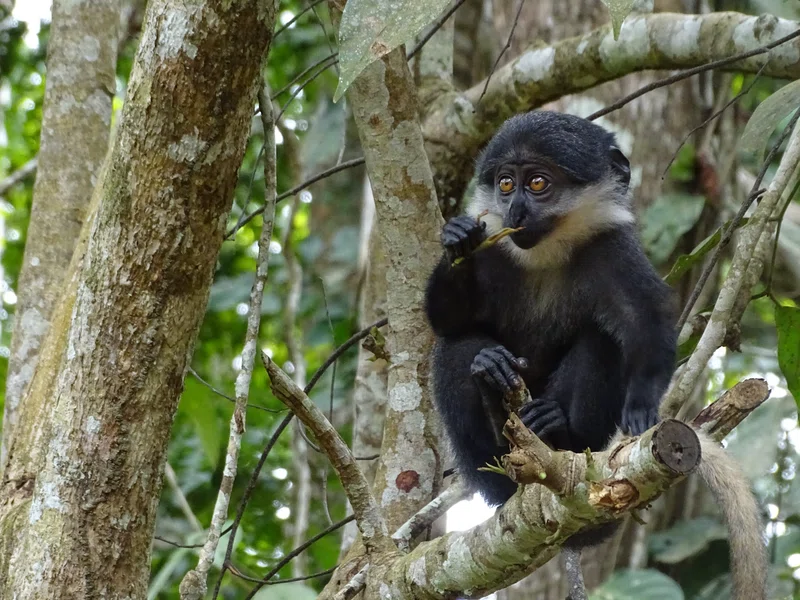
The reserve is a critical sanctuary for an exceptionally rich biodiversity, most notably being the exclusive habitat of the endangered okapi (Okapia johnstoni), a unique forest giraffe and the national symbol of the DRC. It is estimated to host between 3,000 and 5,000 okapi, representing a significant portion of the global wild population. Beyond the okapi, the reserve is home to 101 mammal species, including 17 primate species—the highest number found in any African forest—such as chimpanzees and forest elephants, though their populations have been severely impacted by poaching. Other notable wildlife includes leopards, bongos, forest buffalo, and various duiker species. The avian diversity is also remarkable, with 376 recorded bird species, including the endangered Congo peafowl and two endemic weaver birds.
Culturally, the Okapi Wildlife Reserve is the ancestral homeland of the Mbuti and Efe pygmy hunter-gatherer communities, whose traditional lifestyle and cultural heritage are deeply intertwined with the forest ecosystem. The Epulu Conservation and Research Center, originally a capture station founded in 1928, now focuses on the preservation of wild okapis and scientific research. Despite its immense natural and cultural value, the reserve has been listed as a World Heritage Site in Danger since 1997, facing severe threats from civil conflict, illegal mining for gold and coltan, commercial poaching for bushmeat and ivory, and deforestation driven by agricultural expansion and logging. These challenges are exacerbated by political instability and the presence of armed groups, making conservation efforts difficult and limiting safe access for visitors, though in the past, activities like nature walks, birding, and cultural encounters with the pygmies were possible.
Own this park or reserve?
Claim it to update its details and photos, add what you offer, reply to travellers and promote it on Wapota. It’s free.
Claim this listing →