
About
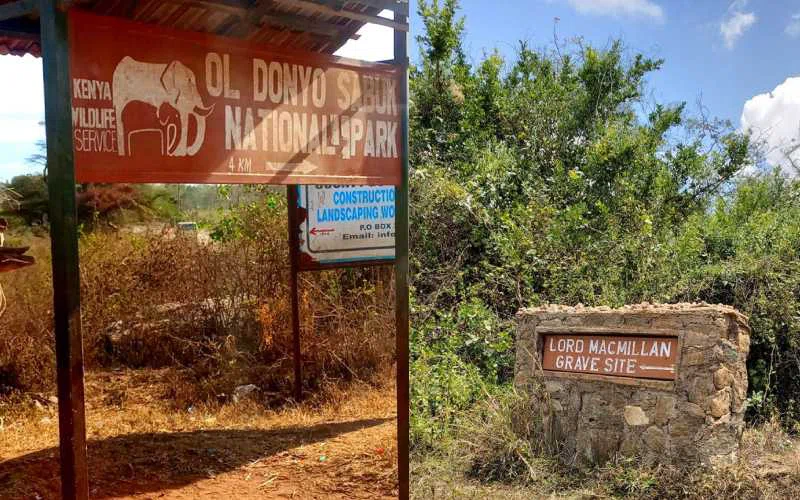
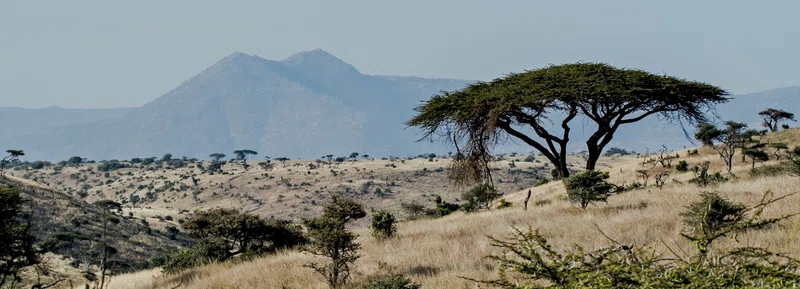
Ol Donyo Sabuk National Park, often referred to as "The Ultimate Panoramic Experience," is a captivating protected area located approximately 85 kilometers northeast of Nairobi in Machakos County, Kenya. Established in 1967, the park spans a relatively small area of 20.7 square kilometers (8.0 sq mi) and is dominated by the solitary Ol Donyo Sabuk Mountain, which rises to an elevation of 2,145 meters (7,037 ft) from the surrounding flat Athi Plains. The mountain's name originates from the Maasai term for 'large mountain,' while the Kamba call it Kyanzavi, and it is also known as Kilimambogo, meaning 'mountain of buffalo' in Swahili, a fitting description given the park's significant buffalo population. The summit offers breathtaking 360-degree panoramic views that, on clear days, extend across the Athi Plains, Thika's pineapple fields, Nairobi's skyline, the Aberdare Range, and even the snow-capped peaks of Mount Kenya and Mount Kilimanjaro.
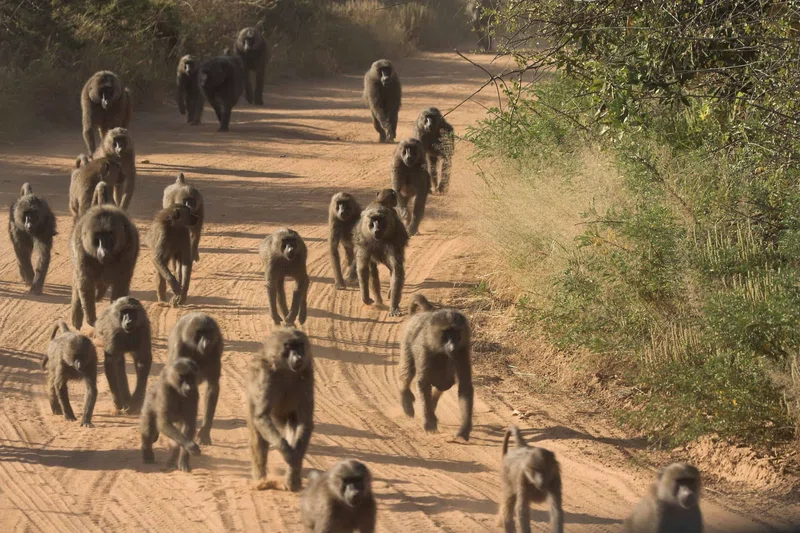
Despite its modest size, Ol Donyo Sabuk National Park boasts a diverse ecosystem, encompassing montane forest, rocky outcrops, bushland, and savannah habitats. The dense montane forest covering the mountain slopes is home to over 200 buffalo, which are the park's most iconic and frequently sighted mammals. Other wildlife includes various primates such as colobus, vervet, and Sykes' monkeys, as well as olive baboons. Elusive leopards also inhabit the park, though they are rarely seen. Visitors might also spot bushbucks, Kirk's dik-diks, common duikers, bohor reedbucks, bush pigs, rock hyraxes, bushbabies, squirrels, aardvarks, porcupines, and mongooses. The park is also a haven for birdwatchers, with over 100 species recorded, including raptors like the African hawk-eagle and crowned eagle, and colorful sunbirds. After the rains, the mountain transforms into a "Butterfly Kingdom," with numerous swallowtails and charaxes species, including the rare Charaxes nandina.
A range of activities awaits visitors, including game drives, guided walking safaris (mandatory with a ranger due to the presence of leopards), bird watching, and picnicking at designated sites. The signature activity is hiking or driving to the mountain's summit, a journey that requires a 4WD vehicle year-round due to the steep ascent. Along the way, hikers can visit the historic McMillan Burial Site, where Sir William Northrup McMillan, an early European settler, his wife Lady Lucie, and their dog are interred near the summit. Another prominent natural attraction is the Fourteen Falls on the Athi River, a spectacular series of cascades that holds both traditional and religious significance for local communities and Asian immigrants, who use it for spiritual rites. The park offers several camping options, including public and special campsites, and a self-catering facility called Sabuk House, with additional privately owned accommodations available in nearby Thika town.
The park also holds cultural and historical importance beyond its natural beauty. It is recognized as the birthplace of the late Tom Mboya, a significant figure in Kenya's political history. The preservation of Sir William Northrup McMillan's grave site within the park reflects an important chapter in Kenya's colonial past. The best time to visit for clear panoramic views and easier hiking is during the hot and dry season from January to March, though the wet seasons bring lush vegetation and a peak in butterfly and bird activity.
Own this park or reserve?
Claim it to update its details and photos, add what you offer, reply to travellers and promote it on Wapota. It’s free.
Claim this listing →