
About
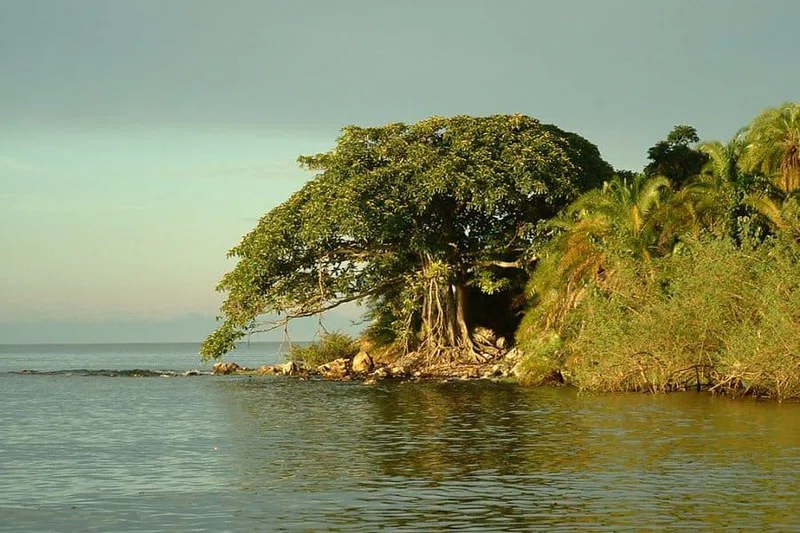
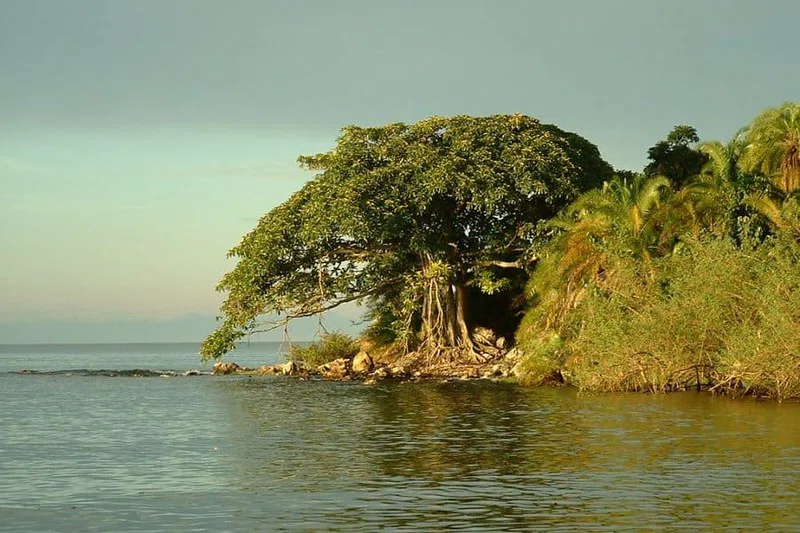
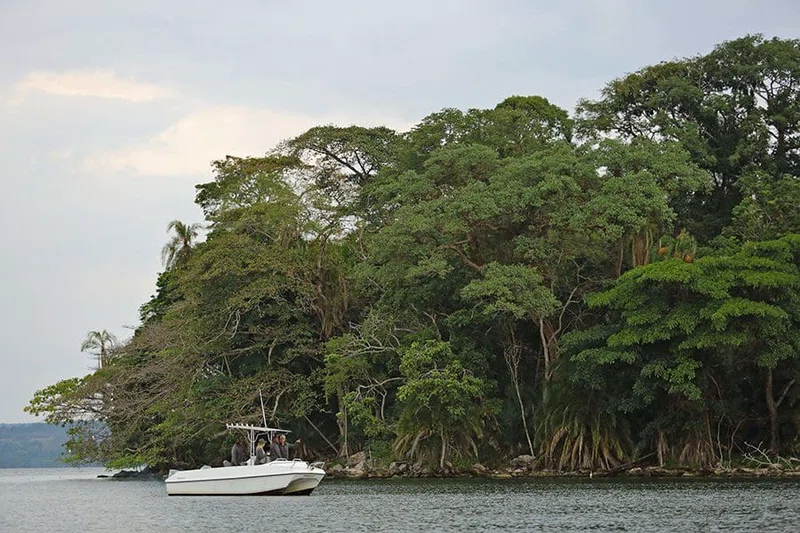
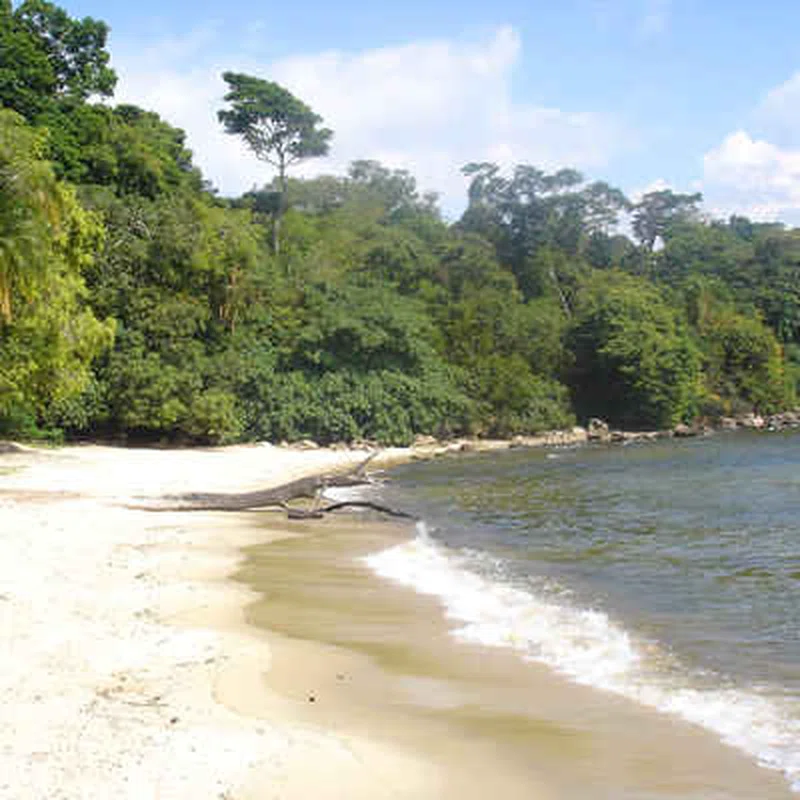
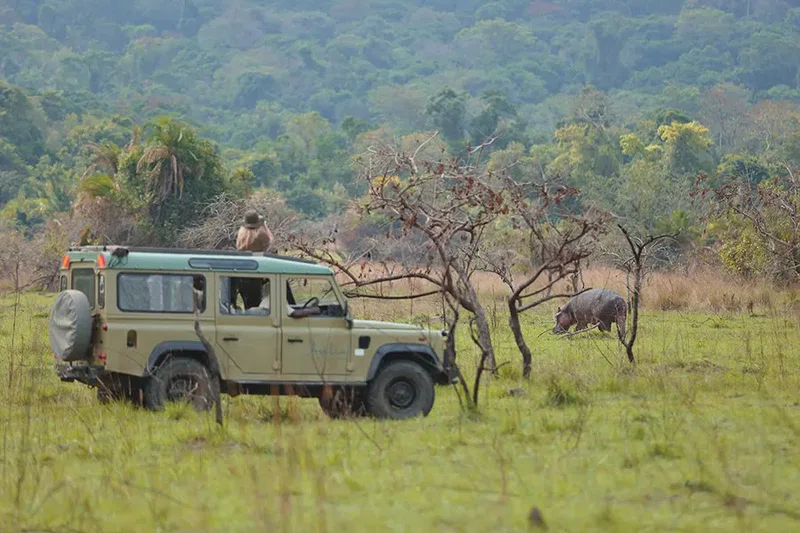
Rubondo Island National Park is located in the southwestern corner of Lake Victoria in northwestern Tanzania, approximately 150 kilometers west of Mwanza in the Geita Region. Covering a total area of 456.8 square kilometers, the park encompasses the main island of Rubondo—measuring 28 kilometers long and 3 to 10 kilometers wide—along with 11 surrounding smaller islets. The terrain consists of a partially submerged volcanic rift featuring four main hills, with Masa Hills in the south reaching the highest elevation at 1,486 meters above sea level. Dense evergreen and semi-deciduous primary lowland forest covers about 80% of the main island's surface, interspersed with open grasslands, acacia woodlands, rocky eastern shores, and extensive papyrus swamps along the western coast.
The park protects a unique combination of native and introduced wildlife species. Native fauna includes the semi-aquatic sitatunga antelope, hippopotamuses, Nile crocodiles, vervet monkeys, spotted-necked otters, and bushbucks. Between 1966 and 1969, Frankfurt Zoological Society founder Bernhard Grzimek introduced wild-born chimpanzees rehabilitated from European zoos to the island, establishing a thriving wild chimpanzee population. Other introduced species include African bush elephants, giraffes, mantled guereza colobus monkeys, suni antelopes, and African grey parrots rescued from illegal trade. The park is also an important bird sanctuary, supporting over 300 bird species, including high concentrations of African fish eagles, kingfishers, egrets, and migratory waterfowl.
Originally established as a game reserve in 1965 to create a wildlife sanctuary, Rubondo Island was officially gazetted as a national park in 1977. Prior to its protection, the island was inhabited by the Zinza people, who were resettled to neighboring islands and the mainland in the late 1960s. Cultural heritage sites within the park, such as Altare, Ntungamirwe, and Maji Matakatifu, preserve the historical and spiritual legacy of the Zinza inhabitants. Visitors to the park participate in guided chimpanzee habituation treks, forest walking safaris, game drives, bird watching, and catch-and-release sport fishing for Nile perch on Lake Victoria. Access to the island is available via flights landing at the local Kageye airstrip or by boat from mainland ports such as Kasenda and Nkome.
Own this park or reserve?
Claim it to update its details and photos, add what you offer, reply to travellers and promote it on Wapota. It’s free.
Claim this listing →