
About
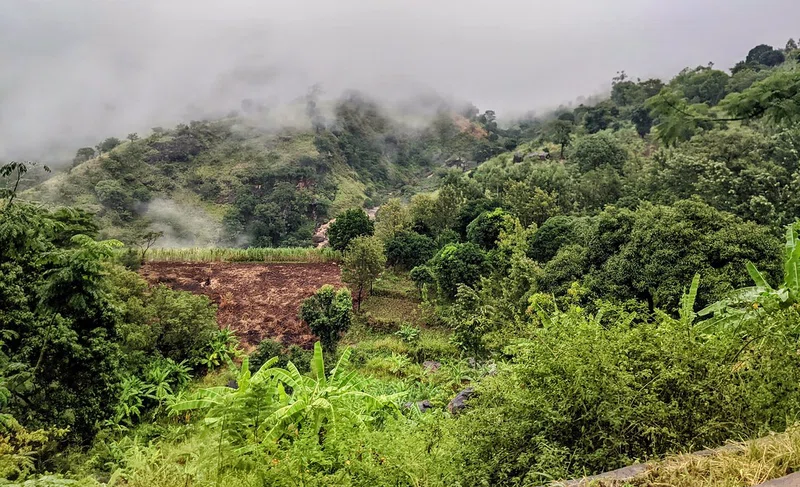
Magamba Nature Forest Reserve, often referred to as Shume Magamba Forest Reserve, is a significant protected area located in the North Eastern part of Tanzania, within the Lushoto and Korogwe Districts of the Tanga Region. It forms a crucial part of the West Usambara Mountain Ranges and is the largest remaining forest fragment in this mountain block. The reserve spans an area of approximately 9,283.9 hectares and ranges in altitude from 1,650 meters to 2,300 meters above sea level, with Kwahondo Peak being its highest point. The nearest major town, Lushoto, is just 9 kilometers away, making it relatively accessible.
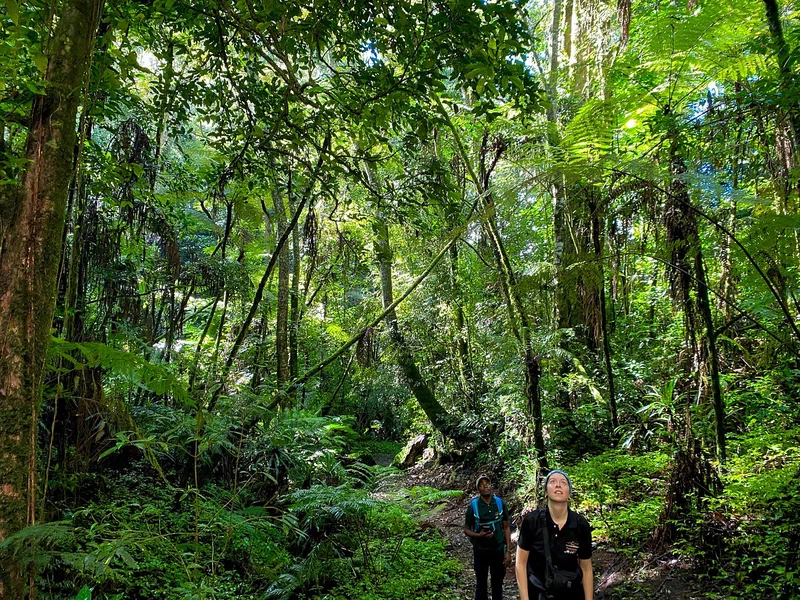
The reserve is characterized by its dense montane to upper montane forests, which are vital as a water catchment area, feeding 28 streams and five dams. The vegetation includes dominant camphor trees, Ocotea usambarensis, and Taberna Montana physeptone in wet montane areas, while dry montane forests feature cedar (Juniperus procera). Magamba is a biodiversity hotspot, particularly for endemic species of the Eastern Arc Mountains. It is home to the endangered Usambara akalat, a bird species found exclusively within the reserve, as well as other unique wildlife such as the West Usambara two-horned chameleon, bush-pigs, black and white Colobus monkeys, various antelopes, and a rich array of bird species including the Usambara nightjar and Usambara eagle owl.
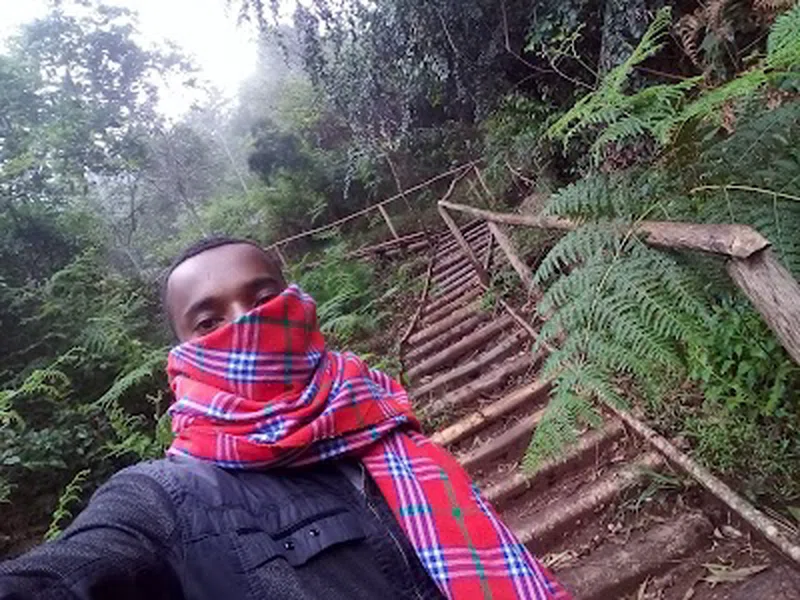
Visitors to Magamba Nature Forest Reserve can engage in a variety of ecotourism activities. These include extensive hiking on trails like Grewal Trail, Skyline and Jiwe la Mungu trail, and Kigulu Hakwewa Trail, which lead to spectacular viewpoints such as Kiguluhakwea and Kwahondo Peak. Other activities include forest walks, bird watching, camping, and cold swimming in waterfall plunge pools. The reserve also offers unique experiences like rock climbing, night walks, and even skydiving from Kwahondo Peak. Culturally, the reserve holds historical significance with features like an old German cave, the oldest skyline in East Africa, and the fascinating "Jiwe la Mungu" (Stone of God) with a human-like footstep. Remnants of German buildings and an old sawmill at Shume Nywelo and Grewal areas provide a glimpse into the region's past.
Safari Tours

Own this park or reserve?
Claim it to update its details and photos, add what you offer, reply to travellers and promote it on Wapota. It’s free.
Claim this listing →