

About
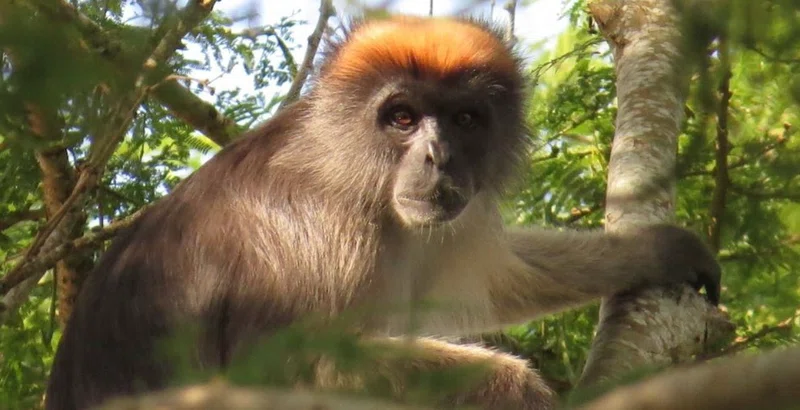
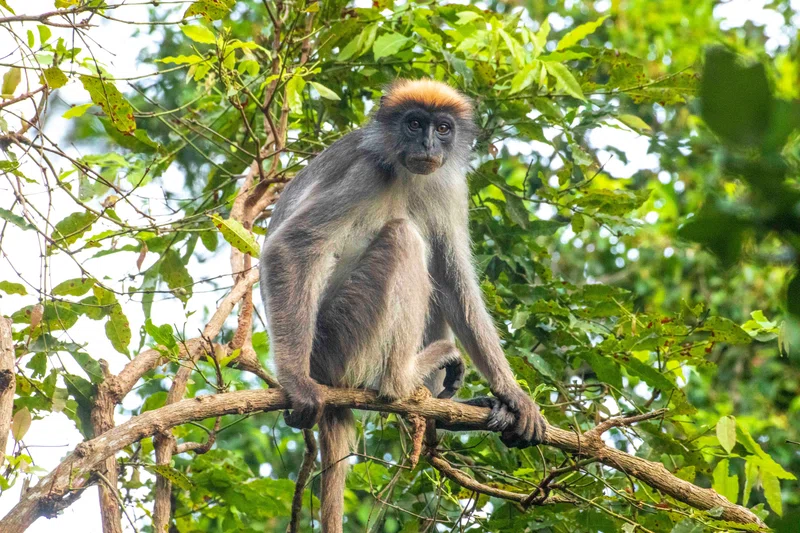
The Tana River Primate National Reserve, though officially disestablished in 2007, was a significant wildlife conservation area located in the Tana River District of Kenya's Coast Province, approximately 350 kilometers east of Nairobi and 160 kilometers north of Malindi. Covering an area of 170 square kilometers, the reserve was established in 1976 primarily to protect two critically endangered primate species: the Tana River red colobus and the crested mangabey. The landscape is characterized by a unique mosaic of habitats, including semi-arid savanna, dry woodlands, and particularly lush riverine forests that line the Tana River. These forests are considered relics of the ancient Central African Lowland Rainforest, isolated by the geological formation of the Rift Valley, and host unusual flora and fauna for East Africa, bearing traces of ancient links to the Congo Basin forests.
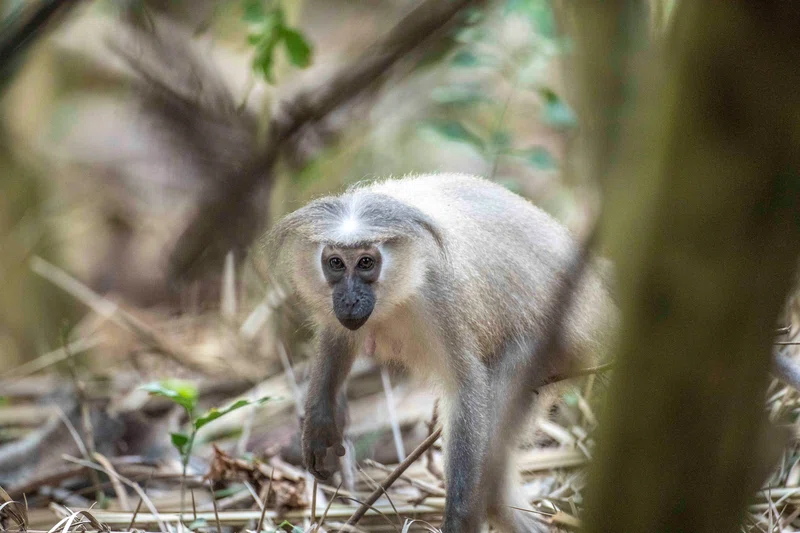
The Tana River, a vital feature of the reserve, flows through the area, creating a broad floodplain that is prone to seasonal inundation. Within this riverine ecosystem, there are about 71 distinct patches of forest, with 16 of these falling within the former reserve's boundaries. Beyond the endangered primates, the reserve was home to a diverse array of wildlife, including elephants, hippos, giraffes, lions, buffalo, various antelopes like oryx and lesser kudu, and a seasonal population of the endangered Hirola antelope. Over 260 bird species have been recorded, notably the extremely rare white-winged apalis. The area also supported other primates such as Sykes and vervet monkeys, and yellow baboons.
Historically, the riverine forests have been home to the Pokomo people, who practice farming along the riverbanks. Conservation efforts, including a World Bank Global Environment Facility project from 1996 to 2001, faced challenges due to human-wildlife land rights issues, leading to significant deforestation by local communities who felt their ancestral lands were being appropriated. The reserve's de-gazettement in 2007 by the High Court of Kenya was a result of it not being properly established under Kenyan law, effectively removing its official protected status and funding. Despite its former status, the region remains an area of significant biodiversity interest.
Own this park or reserve?
Claim it to update its details and photos, add what you offer, reply to travellers and promote it on Wapota. It’s free.
Claim this listing →