
About
Tsimanampetsotsa National Park, located in the Atsimo-Andrefana region of southwestern Madagascar, approximately 90 kilometers south of Toliara, is a unique protected area spanning 432 km². Established as a nature reserve in 1927 and designated a national park in 1966, it has also been recognized as a Ramsar Wetland of International Importance since 1998 and a UNESCO World Nature Heritage site since 2023. The park is characterized by its hot, dry climate, receiving less than 300 mm of rainfall annually, with temperatures often exceeding 40°C. Its diverse landscapes include a large, shallow, highly mineralized salt lake, extensive pristine spiny forests (also known as spiny thickets or spiny desert), and the limestone Mahafaly Plateau. The eponymous Lake Tsimanampetsotsa, meaning “lake in which no dolphins live,” is about 15-20 km long and notable for its whitish color due to high calcium sulfate content, supporting no fish but attracting numerous bird species.
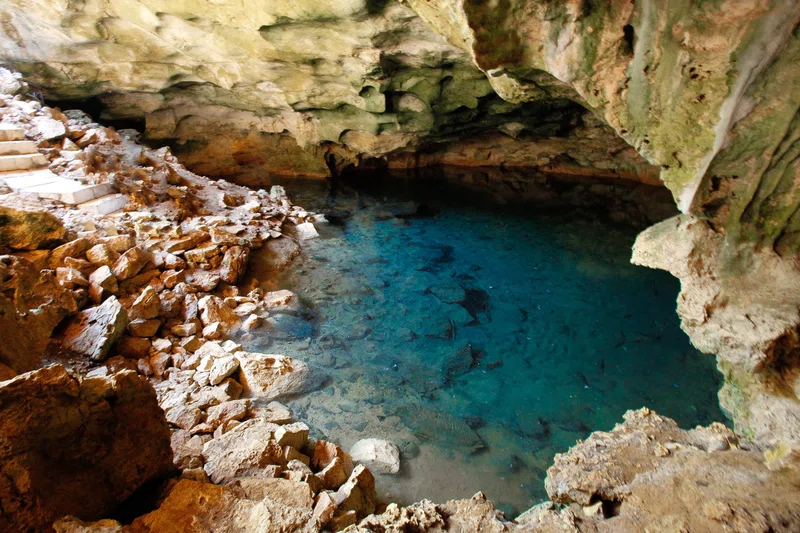
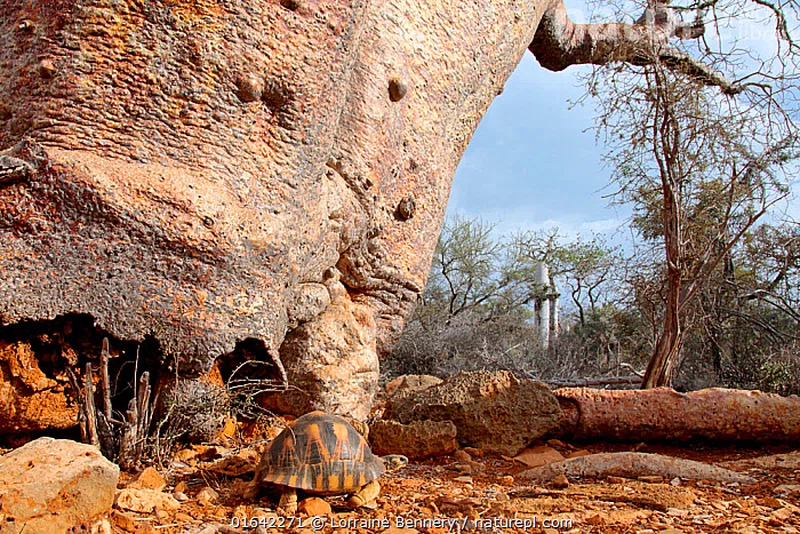
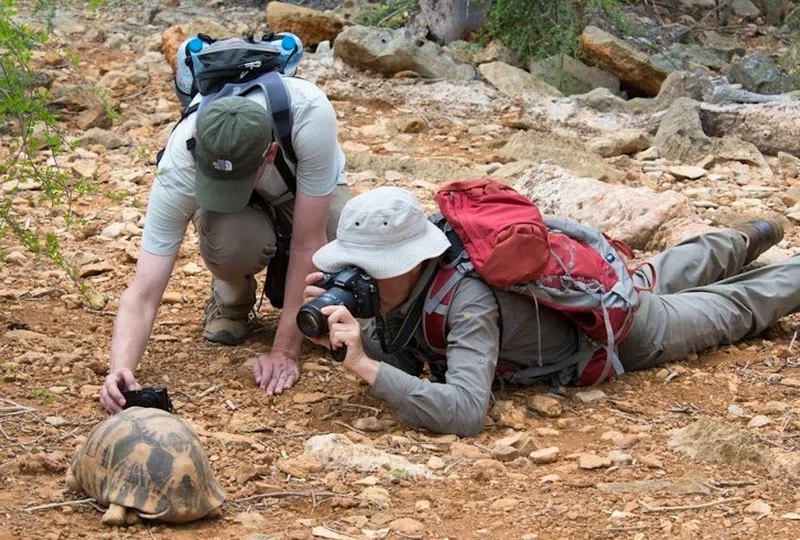
The park boasts an exceptionally high rate of endemism, with over 90% of its flora and fauna found nowhere else in the world. Key wildlife includes several lemur species such as the Verreaux's sifaka, ring-tailed lemurs, white-footed sportive lemurs, and the rare Grandidier's mongoose, which is locally endemic and endangered. Bird enthusiasts can observe over 110 species, including large flocks of greater and lesser flamingos on the lake, the vulnerable Madagascar plover, and the endangered Madagascar Grebe. Reptiles are also abundant, with critically endangered radiated and spider tortoises, chameleons, and various geckos. A unique blind cavefish (Typhleotris madagascariensis) inhabits the sacred Mitoho Grotto, one of the park's many caves and sinkholes.
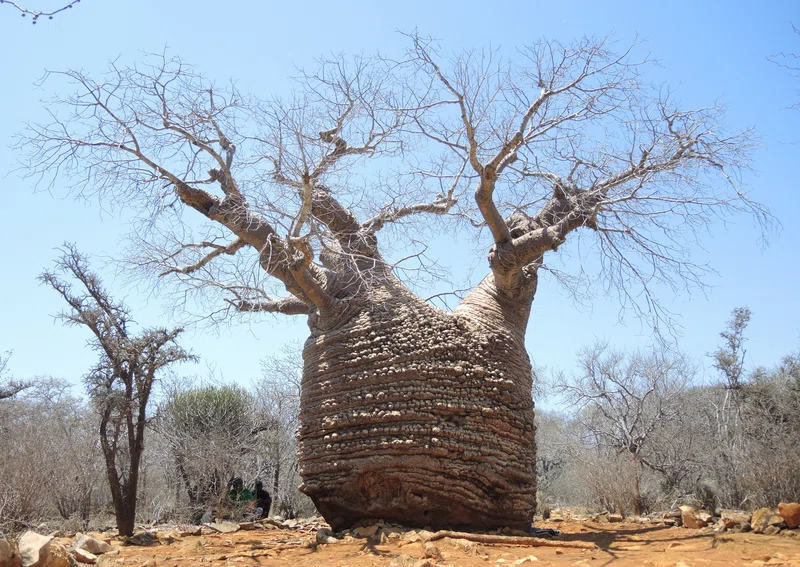
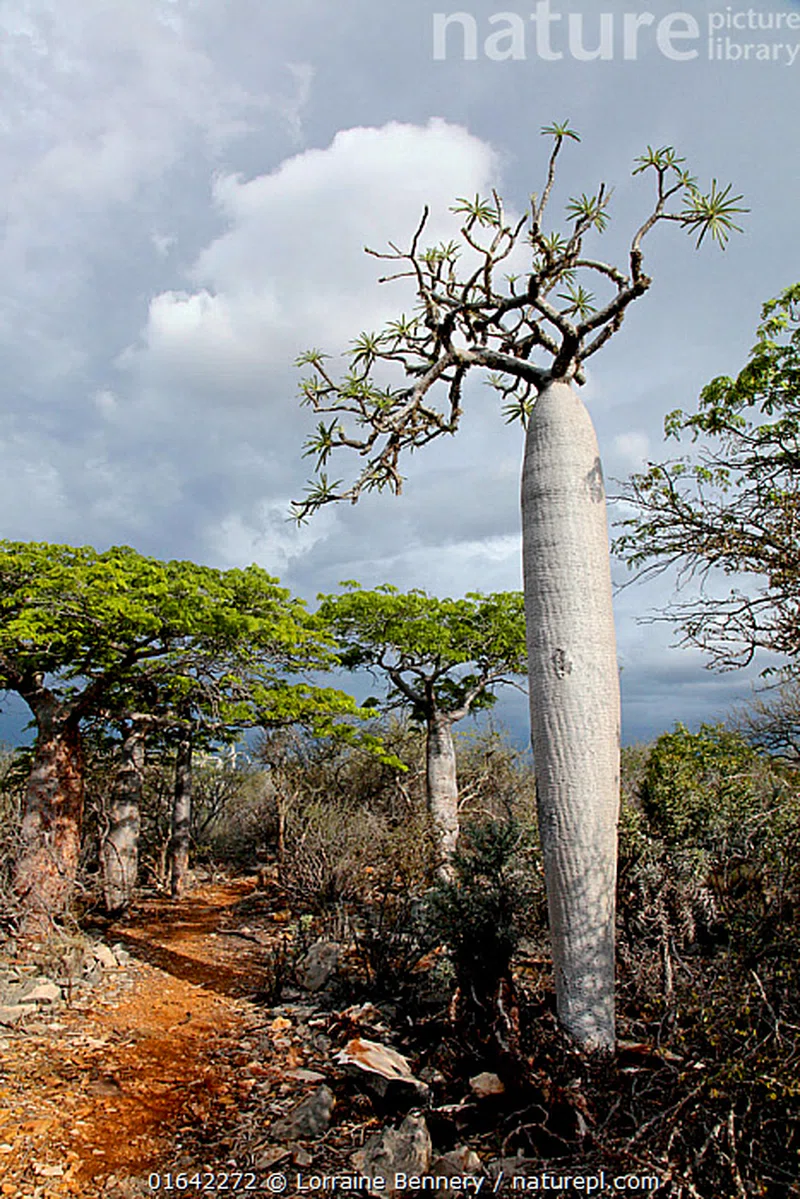
Botanically, the park is significant for its xerophytic and drought-tolerant woody species, including ancient baobab trees, some estimated to be over 1,600 to 3,000 years old, and an impressive banyan tree with roots extending into a sinkhole. Visitors can explore the park through several hiking circuits, offering opportunities for birdwatching, lemur spotting, and botanical walks. The park is managed by Madagascar National Parks, with support from organizations like the FAPBM, and plays a crucial role in the conservation of Madagascar's unique biodiversity.
Own this park or reserve?
Claim it to update its details and photos, add what you offer, reply to travellers and promote it on Wapota. It’s free.
Claim this listing →