
About
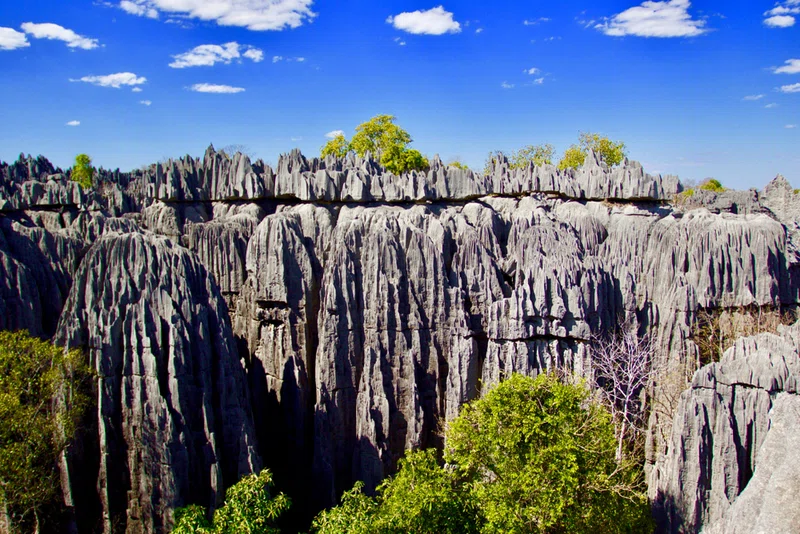
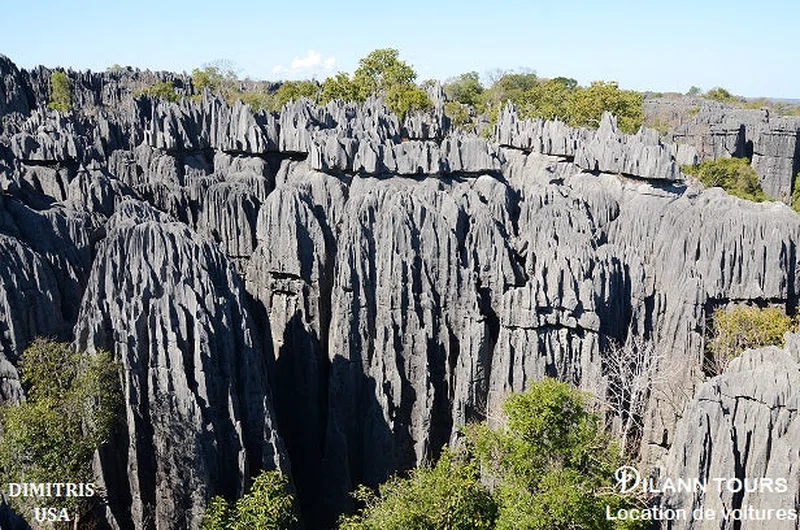
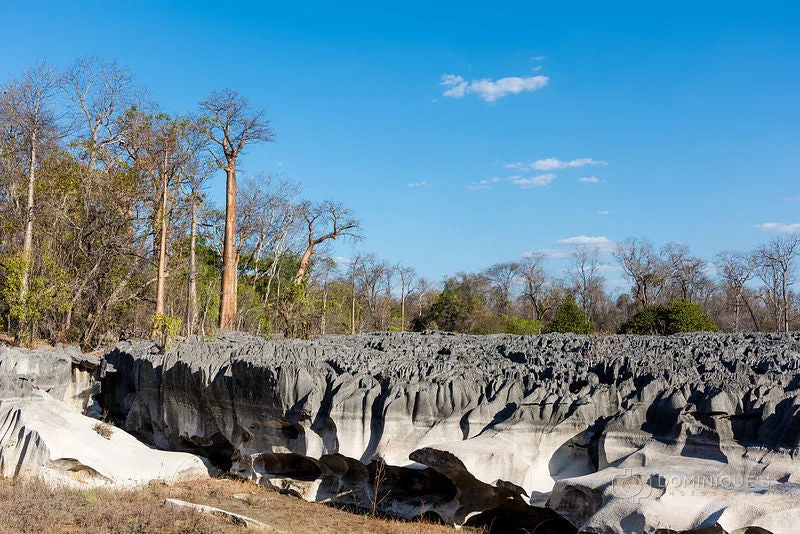
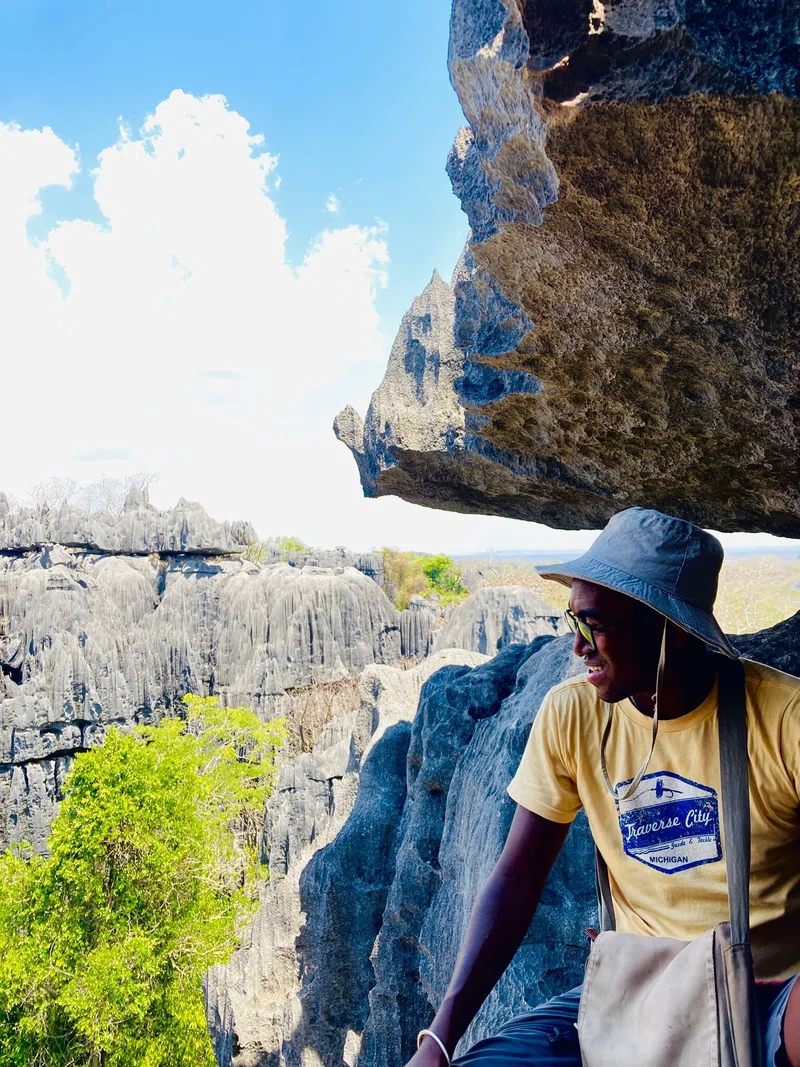
Tsingy de Namoroka National Park, located in the Sofia region of northwestern Madagascar, is a protected area renowned for its extraordinary karst limestone formations, known locally as “Tsingy.” Established as a Strict Nature Reserve in 1927, it gained national park status in 2002 and covers approximately 22,227 hectares (85 square miles). The park's landscape is characterized by razor-sharp limestone pinnacles, deep canyons, extensive cave systems, sinkholes, and underground rivers, creating a dramatic and challenging environment. The Marosakabe cave system, at 113 km long, is notably the longest cave in Africa. These geological wonders are interspersed with dry deciduous forests, open grasslands, and seasonal water systems that form vital habitats during the rainy season. The climate is tropical dry, with a distinct rainy season from November to March and a long dry season from April to October, making May to October the ideal visiting period.
The park is a sanctuary for abundant and diverse wildlife, much of which is endemic to Madagascar. It is home to six species of lemurs, including Coquerel’s sifaka, the gray mouse lemur, and the western fat-tailed dwarf lemur, as well as the elusive aye-aye. Predators such as the fossa, ring-tailed mongoose, and Sakalava weasel also inhabit the park. Bird enthusiasts can observe over 80 species, with 70% being endemic, including the Madagascar fish eagle, crested coua, and white-breasted mesite. The reptilian and amphibian populations are equally rich, featuring over 30 species of reptiles and five types of frogs, such as leaf-tailed geckos, chameleons, and the locally endemic black-and-yellow striped snake. The flora includes drought-resistant baobabs, orchids, pachypodiums, and over 220 plant species, with more than 100 endemic to Madagascar.
Visitors to Tsingy de Namoroka can engage in various activities, including guided treks through the Tsingy formations to explore caves, canyons, and scenic viewpoints. Wildlife observation tours offer opportunities to spot the park's unique fauna, while serene pools and waterfalls provide picturesque spots for relaxation and photography. Cultural interactions with the local Sakalava communities, a pasture folk, offer insights into the region's traditions and conservation efforts. Some caves and rock formations hold sacred significance for these communities and are governed by local taboos. The park's remote location and challenging access contribute to its quiet, isolated atmosphere, offering an authentic exploration experience for those seeking rugged terrain and unique natural wonders.
Own this park or reserve?
Claim it to update its details and photos, add what you offer, reply to travellers and promote it on Wapota. It’s free.
Claim this listing →