
About
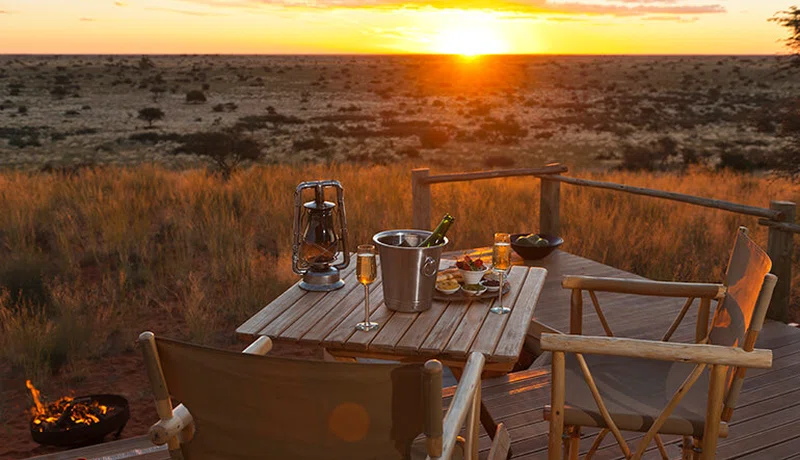
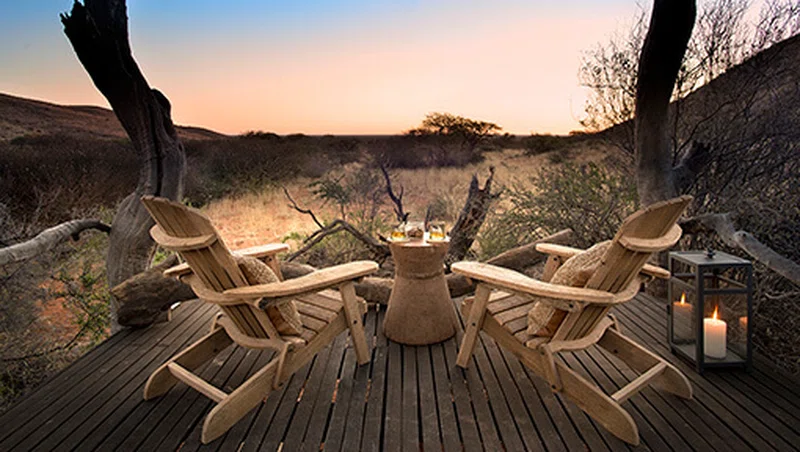
Tswalu Kalahari Reserve, meaning 'a new beginning' in Setswana, is South Africa's largest private game reserve, encompassing 1200 square kilometers (over 460 square miles) of ecologically significant and biodiverse landscape. Situated in the Northern Cape Province, at the foot of the Korannaberg Mountains and on the edge of the southern Kalahari, it offers a unique safari experience in one of Africa's last remaining semi-arid wildernesses. The reserve is approximately 300km north-west of Kimberley and 350km from Upington Airport, with the nearest town being Kuruman. Its terrain features rolling mountain ranges, thornveld, and sweeping red sand dunes, reflecting a story of restoration and regeneration over the past 25 years, driven by a mission to return the Kalahari to its natural state.
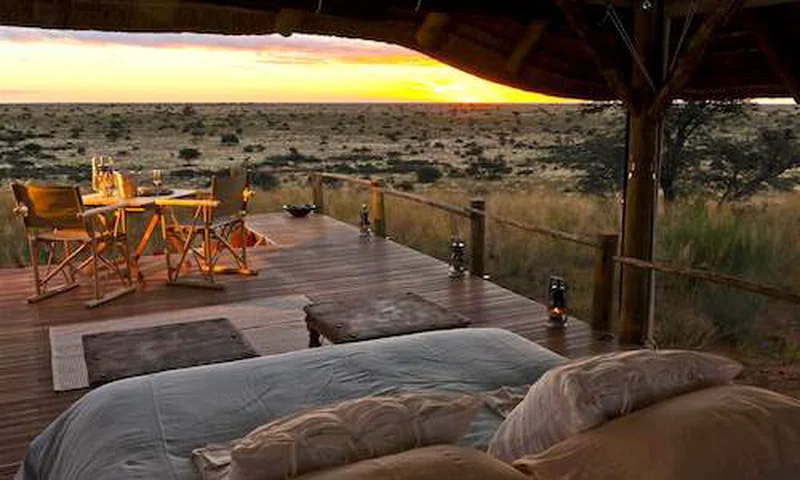
Tswalu is renowned for its diverse wildlife, including iconic species such as black-maned lions, cheetahs, African wild dogs, brown hyenas, and both white and desert black rhinos. Beyond these, guests can encounter giraffe, kudu, buffalo, zebra, oryx, springbuck, red hartebeest, and elusive creatures like aardvark, pangolin, aardwolf, bat-eared fox, African wild cat, and Cape fox. The reserve is home to over 80 species of mammals and 230 bird species. Activities are privately guided and flexible, offering game drives, bush walks, horse riding, stargazing, and up-close encounters with habituated meerkats. Unique experiences include exploring ancient San rock art sites and spending a night under the stars at the Malori sleep-out deck or Naledi star-bed. Tswalu is a malaria-free destination, making it ideal for families, and offers a Junior Ranger program for children.
Owned and operated by the Oppenheimer family since 1998, Tswalu has a strong conservation ethos, having banned trophy hunting and successfully re-introduced indigenous species. The Tswalu Foundation actively supports environmental research, focusing on biodiversity and regenerative land management, and contributes to community upliftment through initiatives like a healthcare center and school. Every guest's stay directly supports these conservation efforts, embodying a true model of eco-tourism.
Own this park or reserve?
Claim it to update its details and photos, add what you offer, reply to travellers and promote it on Wapota. It’s free.
Claim this listing →