
About
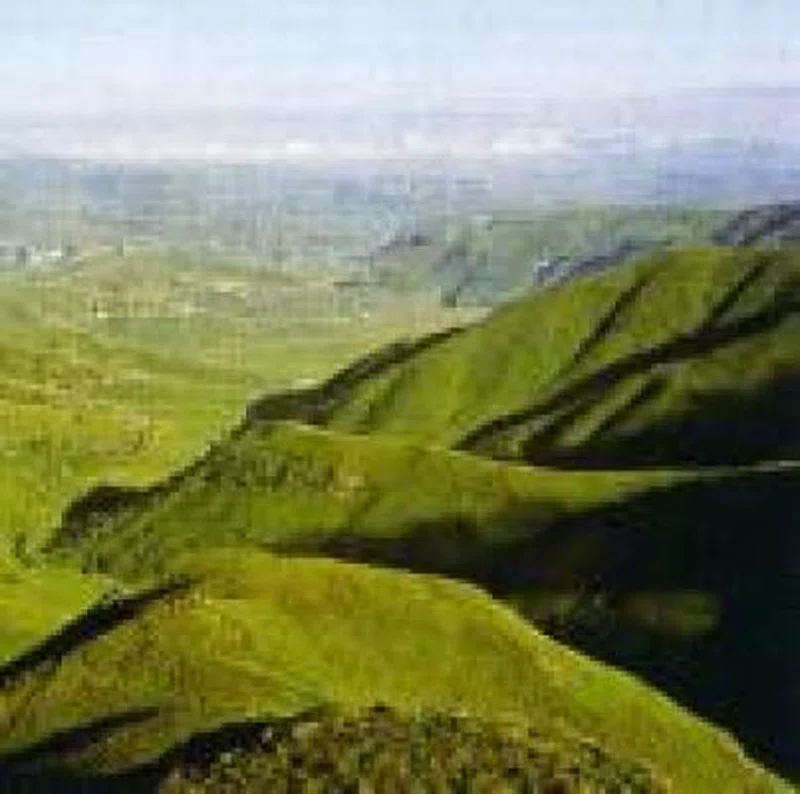
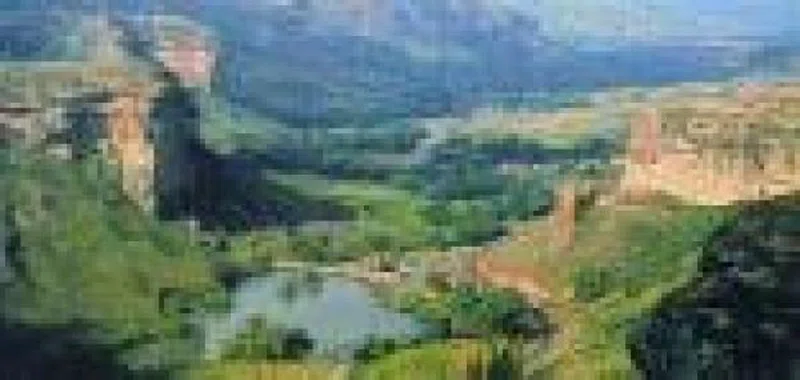
Tussen die Riviere Nature Reserve is a vast conservation area spanning approximately 22,000 hectares (220 km²) in the southernmost Free State Province of South Africa. It is strategically located between the Caledon and Orange Rivers, approximately 15 kilometers from the town of Bethulie on the R701, and 65 kilometers east of the N1 highway. The reserve's climate is a blend of Karoo and Highveld conditions, characterized by hot, dry summers with an average annual rainfall of 400 mm, and cold winters. The landscape features expansive open plains, scattered koppies (small hills), and dense vegetation along the riverbanks. Notable geological formations, such as the "Klipstapels," add to the scenic beauty.
The reserve is a sanctuary for diverse wildlife, supporting large populations of game including blesbok, black wildebeest, springbok, eland, mountain reedbuck, gemsbok, reedbuck, impala, kudu, red hartebeest, warthog, zebra, and white rhino. Buffalo and black rhino are also found seeking refuge along the bushy riverbanks. Birdlife is abundant, with species such as fish eagles, black eagles, secretary birds, the national bird of South Africa, the blue crane, grey heron, and African shelduck. Visitors can engage in various recreational activities, including game and bird viewing, exploring a 4x4 route (which does not require a 4x4 vehicle for the 120 km of dirt roads), and hiking. Three distinct hiking trails are available: the 7 km Middelpunt trail, the 12 km Klipstapel trail, and the 16 km Orange River trail, with permits issued at the gate. The reserve also offers opportunities to discover San rock art on Aasvoelkop.
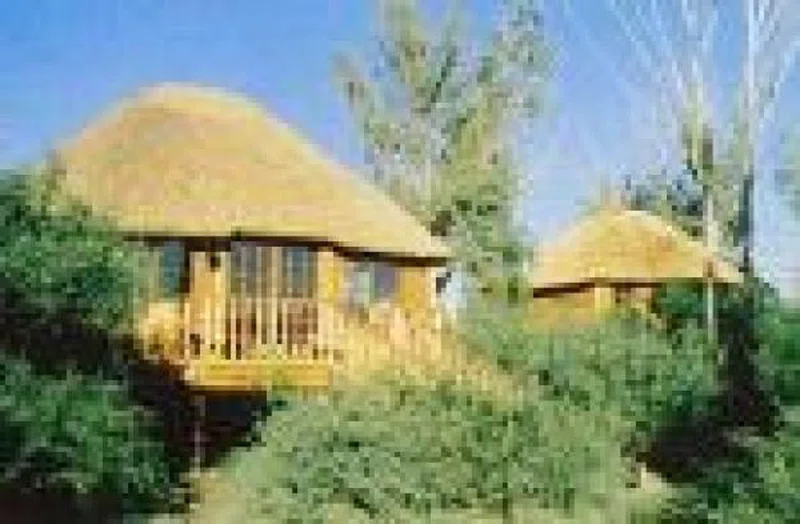
Accommodation options within the reserve include fully equipped chalets (2-bed, 4-bed, and luxury 4-bed units) complete with carports and braai areas. A hall with a bar, kitchen, and large braai area is available for use as a conference facility. For a more rustic experience, there is a Hunters' camp comprising five single shelters with a braai area and a communal ablution block, as well as general camping facilities. Visitors should note that no shops are available on-site, so provisions must be brought along. The reserve operates with specific gate and office hours, and it combines wildlife tourism with hunting, with the latter taking place during the winter season (May to August), when the reserve is closed to sightseers.
Own this park or reserve?
Claim it to update its details and photos, add what you offer, reply to travellers and promote it on Wapota. It’s free.
Claim this listing →