
About
The uKhahlamba Drakensberg Park is a protected area located in the KwaZulu-Natal province of South Africa, forming a significant natural barrier along the border with Lesotho. This expansive park covers approximately 243,000 hectares (2,428.13 km²) and is recognized as part of the larger Maloti-Drakensberg Park, a UNESCO World Heritage Site. The park is conveniently situated about two hours from Durban and four hours from Gauteng, making it an accessible natural escape. The indigenous Zulu people named this 300-kilometer stretch of mountains 'uKhahlamba,' meaning “Barrier of Spears,” while early Dutch settlers referred to them as the Drakensberge, or 'Dragon Mountains.'
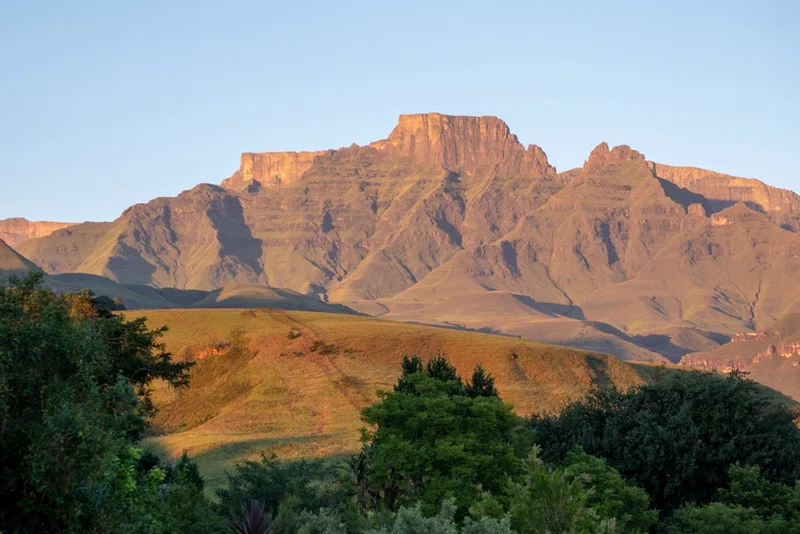
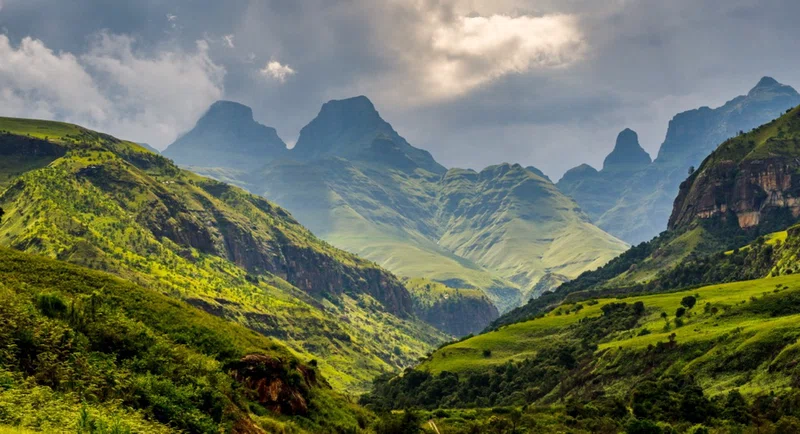
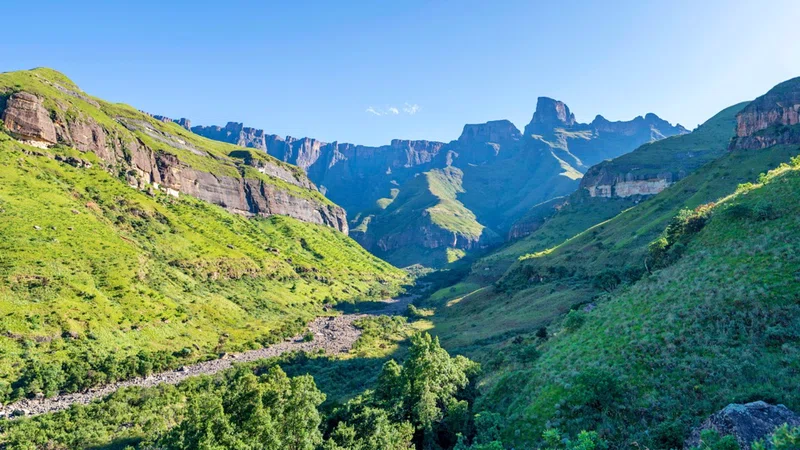
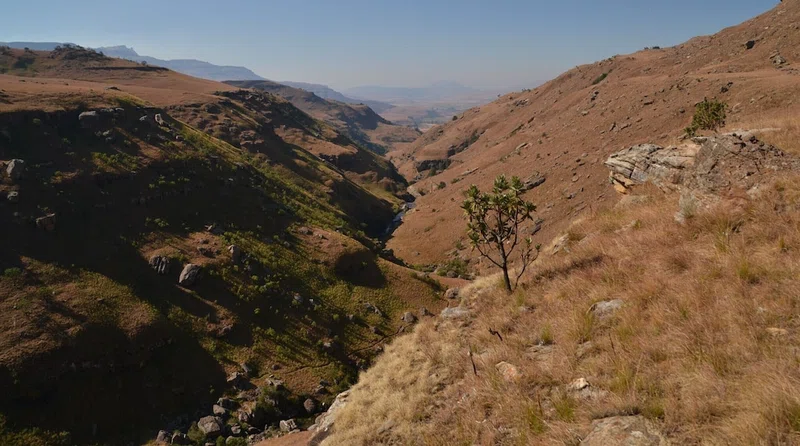
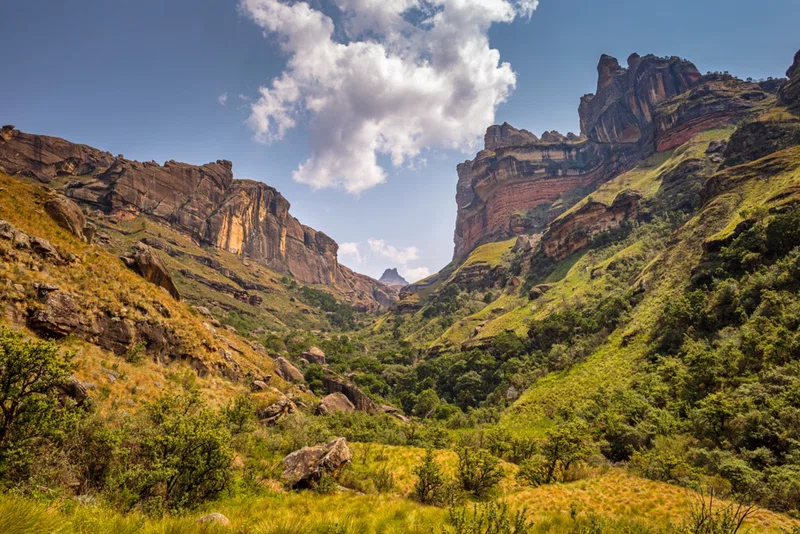
The park is celebrated for its exceptional natural beauty, characterized by towering basaltic buttresses, dramatic cutbacks, and golden sandstone ramparts. Its landscape features rolling high-altitude grasslands, pristine steep-sided river valleys, and rocky gorges. The Drakensberg escarpment boasts some of the highest elevations in southern Africa, with an average altitude of 3000 meters. Key natural features include the magnificent Amphitheatre, a sheer basalt rock face over 2900 meters high and 4 kilometers long, and the Tugela River, which dramatically plunges approximately 1000 meters off the plateau in a series of five waterfalls at Mont-Aux-Sources. The park's diverse habitats are crucial for protecting a high level of endemic and globally threatened species, particularly birds and plants.
uKhahlamba Drakensberg Park is a vibrant wildlife sanctuary, supporting a rich array of birds, mammals, and reptiles. Visitors may encounter larger mammals such as mountain reedbuck, grey rhebok, grey duiker, eland, klipspringer, bushbuck, and oribi. Predators like leopard, black-backed jackal, caracal, serval, and otters also inhabit the area. Bird enthusiasts can spot over 300 species, including endemic ones like the wattled crane, Cape vulture, bearded vulture (Lammergeyer), orange-breasted rockjumper, and yellow-breasted pipit. The park offers a wealth of activities, with hiking and walking being paramount, ranging from leisurely strolls to challenging multi-day treks. Other popular pursuits include fly fishing, mountain biking, rock climbing, abseiling, swimming in natural rock pools, horse riding, and birdwatching. Guided tours to ancient San rock art shelters are available at various camps, including Giant's Castle, Injisuthi, Cathedral Peak, and Royal Natal National Park.
Culturally, the park is profoundly significant, housing the largest and most concentrated collection of San rock paintings in Africa south of the Sahara. These remarkable artworks, created by the San people over 4,000 years, are preserved in hundreds of caves and rock shelters, with some dating back 2,400 years. The art vividly portrays the spiritual life of the San, depicting scenes of hunting, dancing, fighting, food gathering, and rituals. The park contains approximately 600 sites with over 35,000 individual images, noted for their exceptional preservation. The ecological integrity of the area has remained largely intact since the last San inhabitants, allowing visitors to observe the same animal species depicted in the ancient art still thriving in the valleys.
Own this park or reserve?
Claim it to update its details and photos, add what you offer, reply to travellers and promote it on Wapota. It’s free.
Claim this listing →