

About
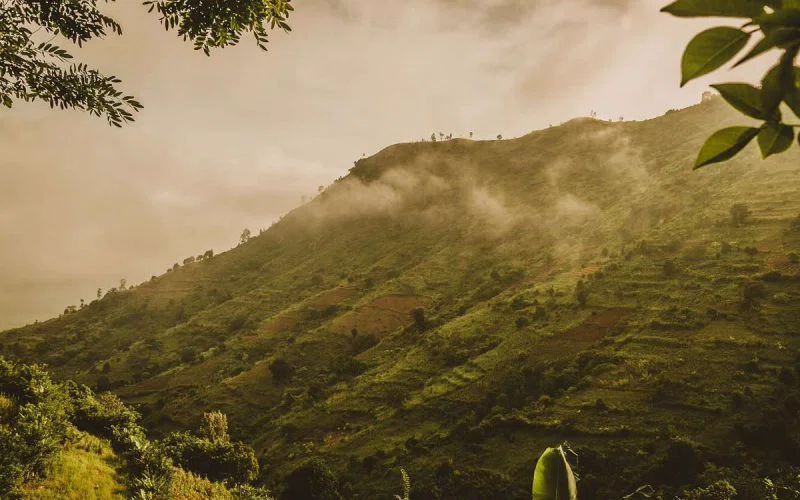
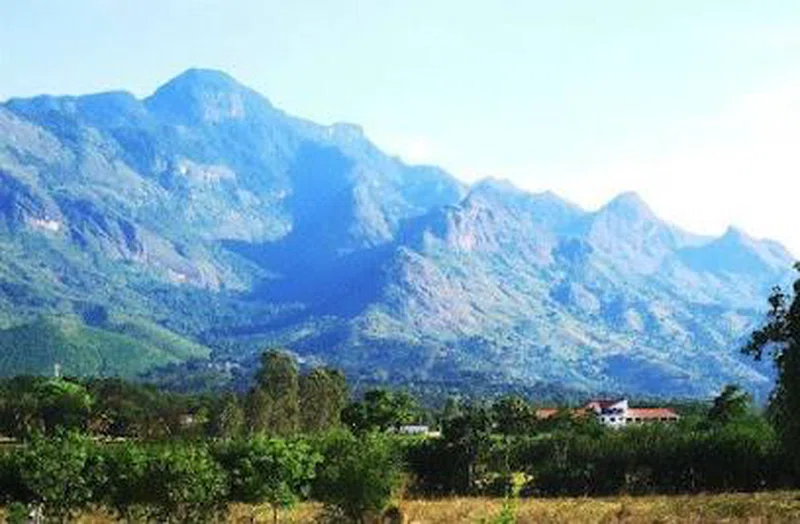
The Uluguru Mountains are a prominent mountain range located in eastern Tanzania, approximately 200 kilometers inland from the Indian Ocean. Named after the indigenous Luguru tribe, the main ridge of these mountains runs roughly north-south, reaching an elevation of 2,630 meters (8,600 feet) at its highest point. The greater Uluguru area also encompasses several isolated massifs, including Kitulangh'alo, Dindili, Mkumgwe, Mindu, and Nguru ya Ndege. The range is characterized by steep slopes, cliffs, and rocky outcrops. Within the Uluguru Mountains, the Uluguru Mountain Nature Forest Reserve covers an area of 24,115 hectares, stretching across Morogoro and Mvomero Districts. This reserve is a vital part of the Eastern Arc Mountains, recognized as one of the world's 25 biodiversity hotspots.
The vegetation within the Uluguru Mountains is remarkably diverse, ranging from drier lowland coastal forest habitats to transitional rainforests, and various sub-montane, montane, and upper montane forest types. The Lukwangule plateau, for instance, features afromontane grasslands. Climatically, the mountains capture significant moisture from the Indian Ocean, resulting in the east-facing slopes receiving over 3,000 millimeters (120 inches) of rainfall annually, with some precipitation occurring every month. The forests of the Uluguru Mountains serve as crucial water catchment areas, feeding streams and rivers that converge to form the Ruvu River, which supplies water to Tanzania's largest city, Dar es Salaam, and the Morogoro River for Morogoro municipality.
The Uluguru Mountains are globally significant for their exceptional biodiversity. They are home to over 100 endemic plant species, 14 strictly endemic vertebrate species, and numerous other species found only in one or two other Eastern Arc mountains, making them globally rare. Notable endemic species include the Uluguru Bush Shrike, Loveridge's Sunbird, and various African violets, Impatiens, and Begonias. The area also supports unique mammals like the Zanzibar bushbaby and Abbott's duiker, and a high number of endemic invertebrates. The local Waluguru tribe, a matrilineal society, has inhabited these mountains for centuries, with approximately 151,000 people living within the mountain area, often at higher densities near the forest boundary.
Tourism activities in the Uluguru Mountains include bird watching, hiking, trekking, forest walks, camping, and cultural tourism. Popular hiking destinations include Bondwa Peak (2,170 m), Lupanga Peak (2,146 m), and Choma Waterfall. The "Morning side," an old German settlement at 1000m, is a famous short day hike destination. Guides are required for forest hikes, and waterproof footwear is recommended due to often muddy trails. The reserve offers camping facilities, with additional accommodation available in Morogoro town.
Own this park or reserve?
Claim it to update its details and photos, add what you offer, reply to travellers and promote it on Wapota. It’s free.
Claim this listing →