

About
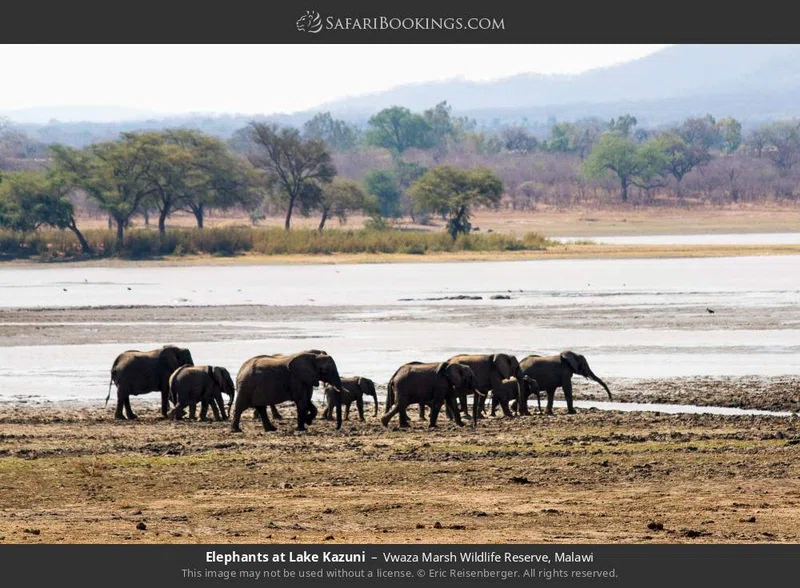
Vwaza Marsh Wildlife Reserve is a significant protected area situated at the westernmost edge of Malawi, bordering Zambia's well-known Luangwa Valley, and located southwest of Nyika National Park. Covering approximately 1,000 km² (390 sq mi or 100,000 ha), the reserve's altitude ranges from 1,000 to 1,660 meters. Its landscape is a rich tapestry of miombo and mopane woodlands, forests, grasslands, and extensive marshy wetlands, which are nourished by water flowing from the Nyika Plateau and the vital Luwewe River. The southern boundary is defined by the South Rukuru River, which feeds into Lake Kazuni. This lake is particularly notable for its large hippo population and transforms into a floodplain during the dry season, attracting abundant wildlife.
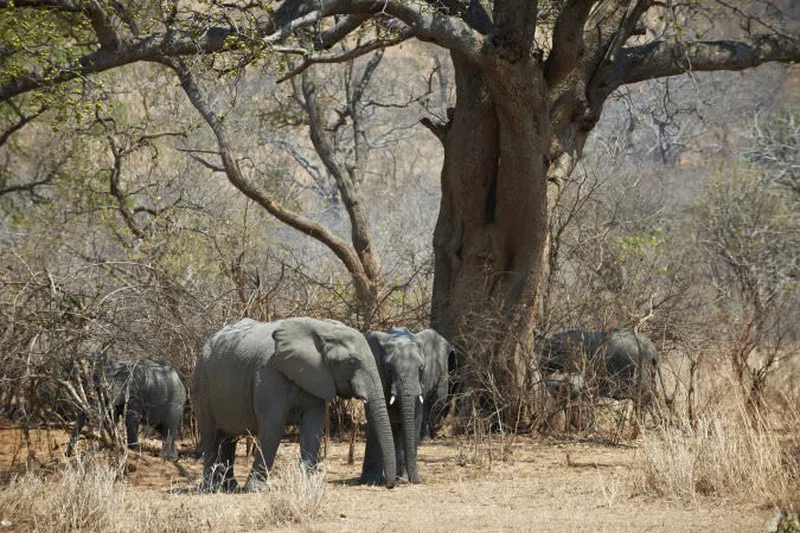
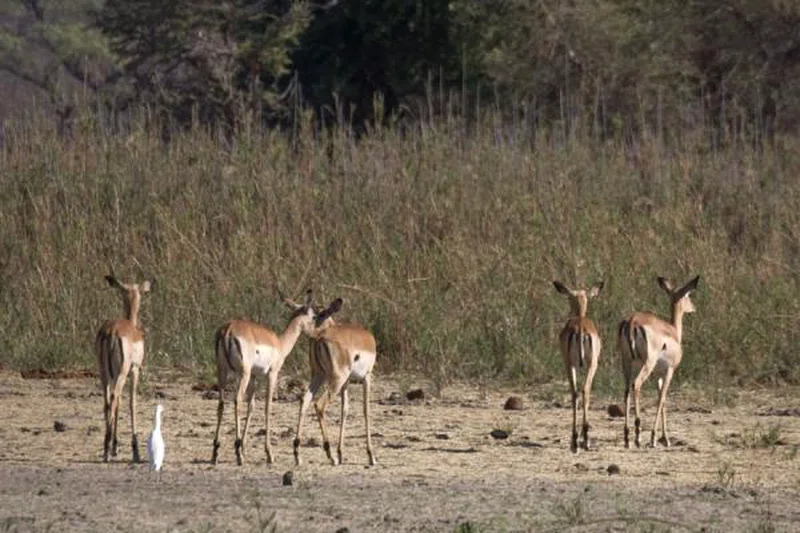
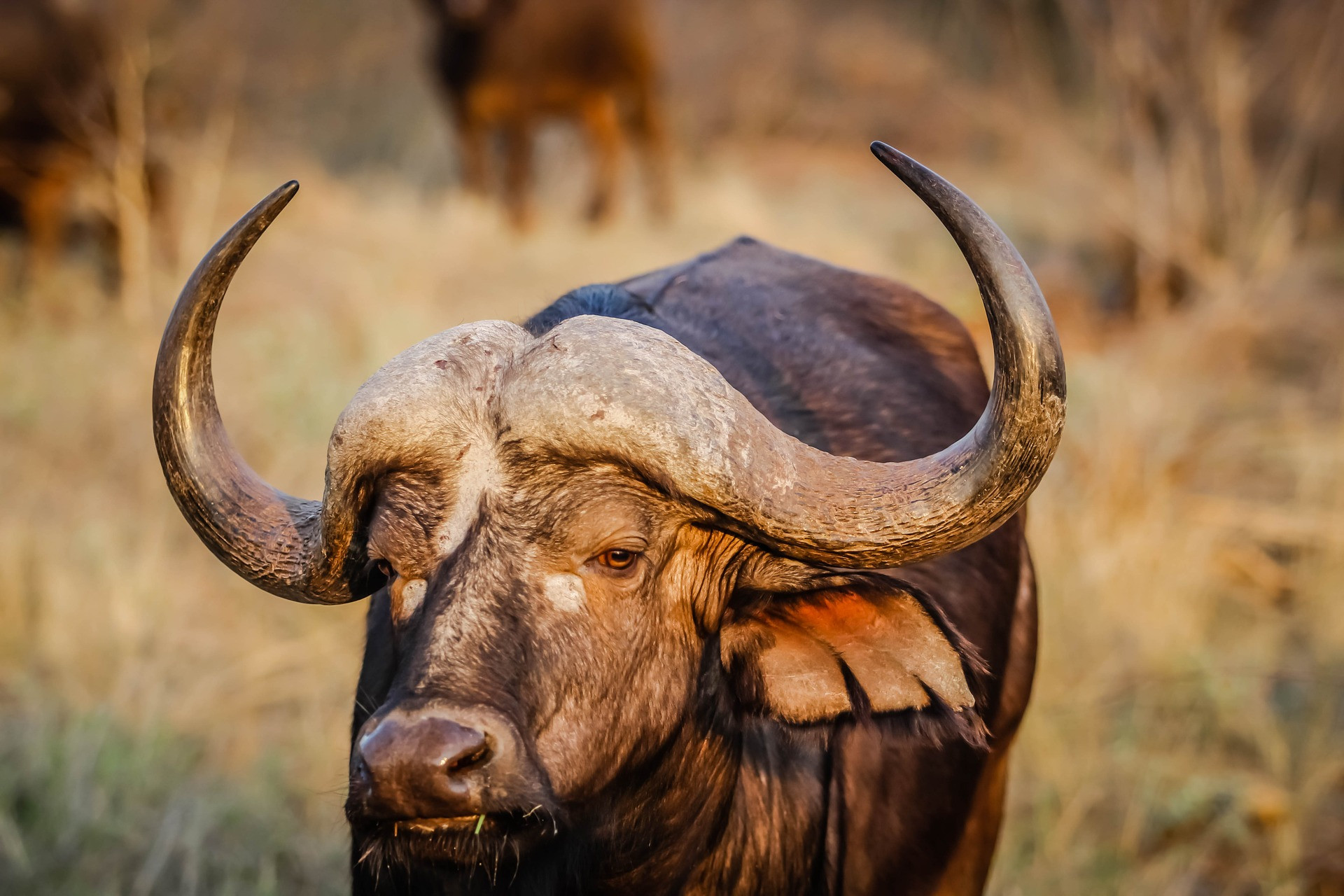
The reserve is celebrated for its exceptional birdlife, with nearly 300 to 380 species recorded, including storks, herons, the white-faced tree duck, Goliath herons, openbill storks, the rare white-winged starling, and Swainson's Francolin. Vwaza Marsh is also home to the largest elephant population in northern Malawi, estimated at around 300 individuals. Many of these elephants migrate to Zambian protected areas during the rainy season but are frequently observed around Lake Kazuni in the dry season. Other prominent large mammals include numerous hippos, buffalo, and various antelopes such as puku, greater kudu, bushbuck, roan, sable antelope, Lichtenstein's hartebeest, and impala. While predators like lions and leopards are present, their sightings are less common.
Recognized as a unique wetland and a Ramsar Site, Vwaza Marsh plays a crucial role in supporting diverse plant and animal species. A significant development occurred in June 2023 when the Peace Parks Foundation entered into a 20-year co-management agreement with the Government of Malawi, aimed at ensuring the reserve's sustainable management and fostering community development. Visitors can engage in activities such as game viewing, bird watching, and walking safaris, with Lake Kazuni serving as a primary focal point. The optimal time to visit is during the dry season, from July to October, when wildlife tends to congregate around available water sources.
Wildlife & Birds
Buffalo
3
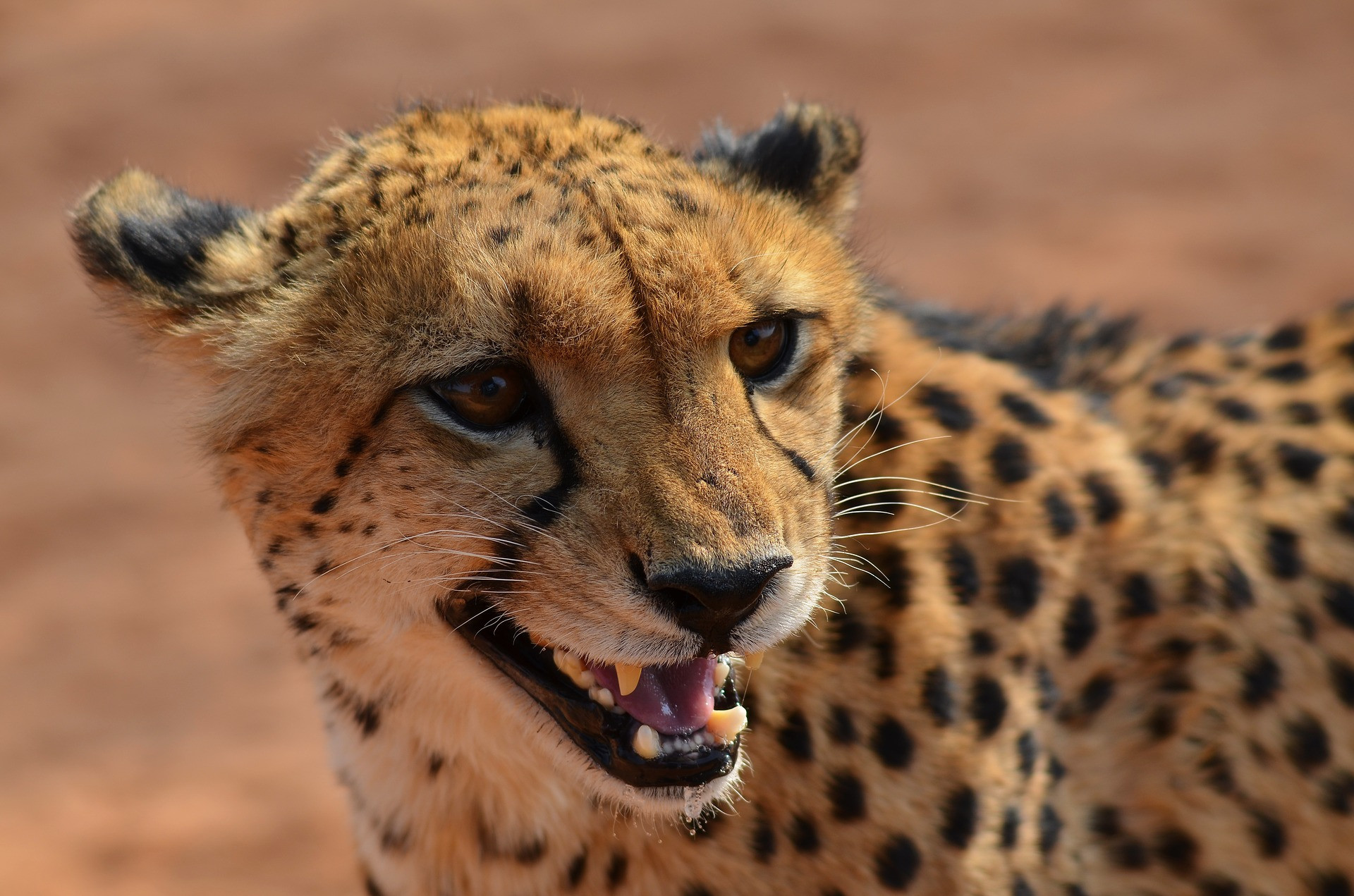
Cheetah
0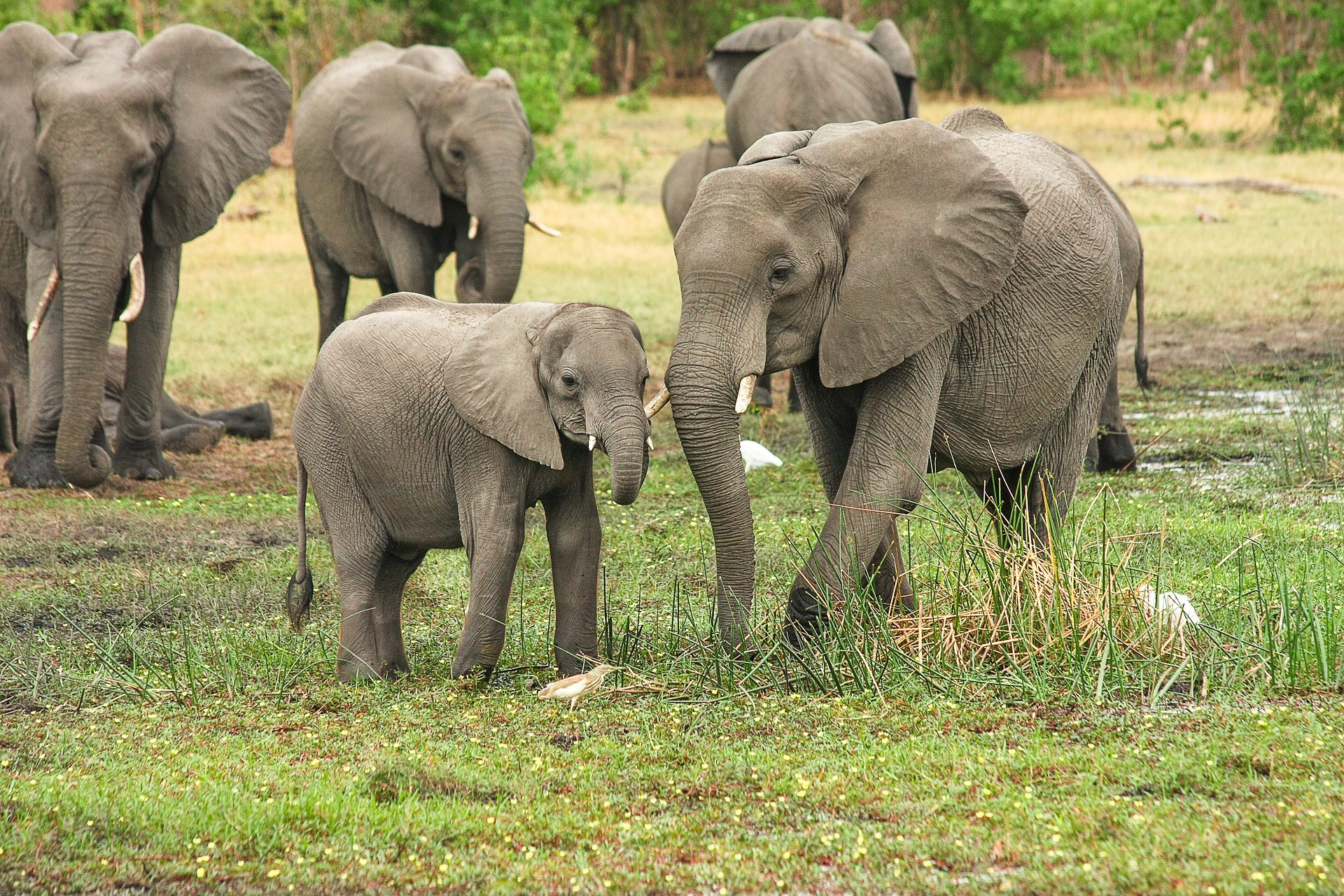
Elephant
3
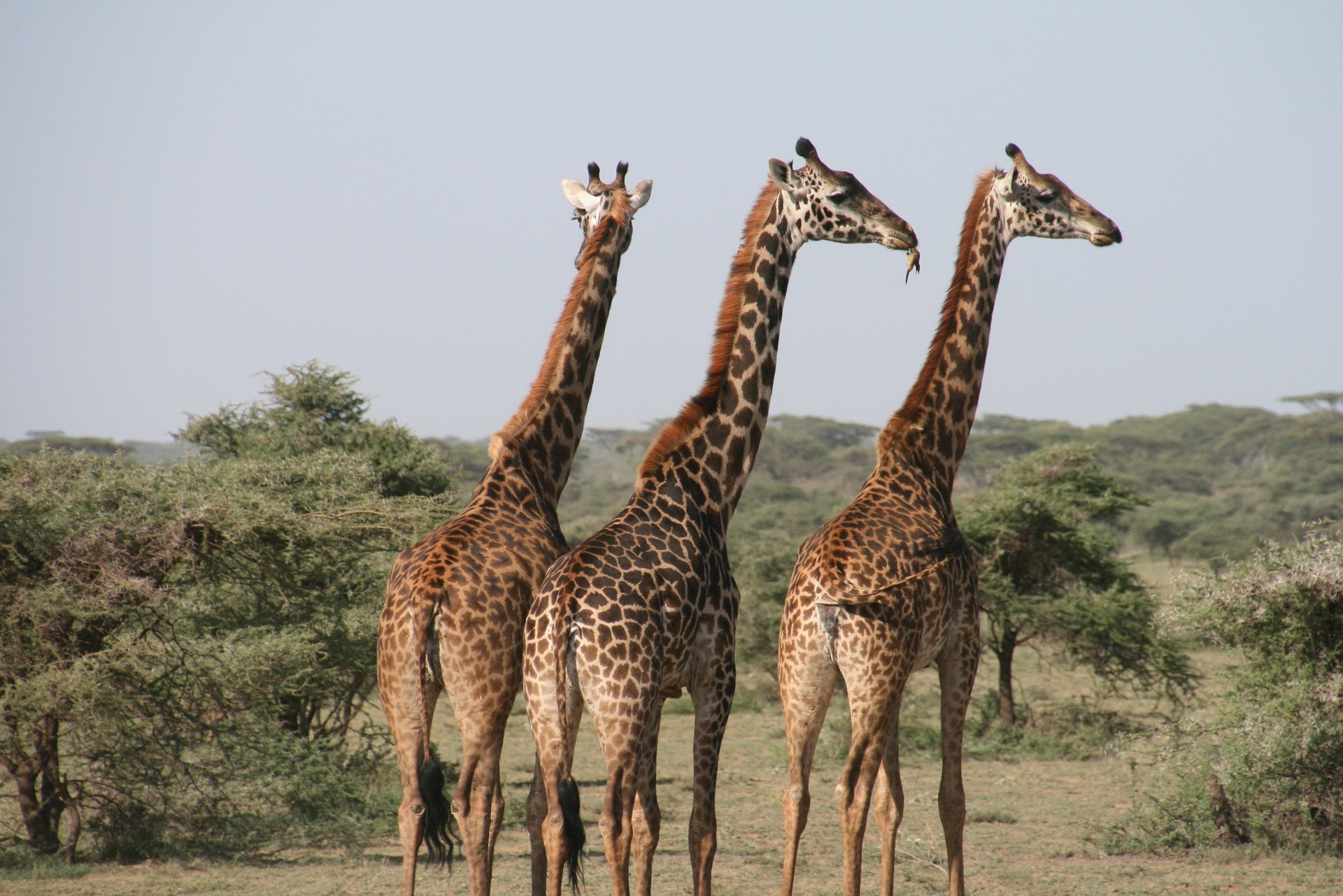
Giraffe
0Hippo
4
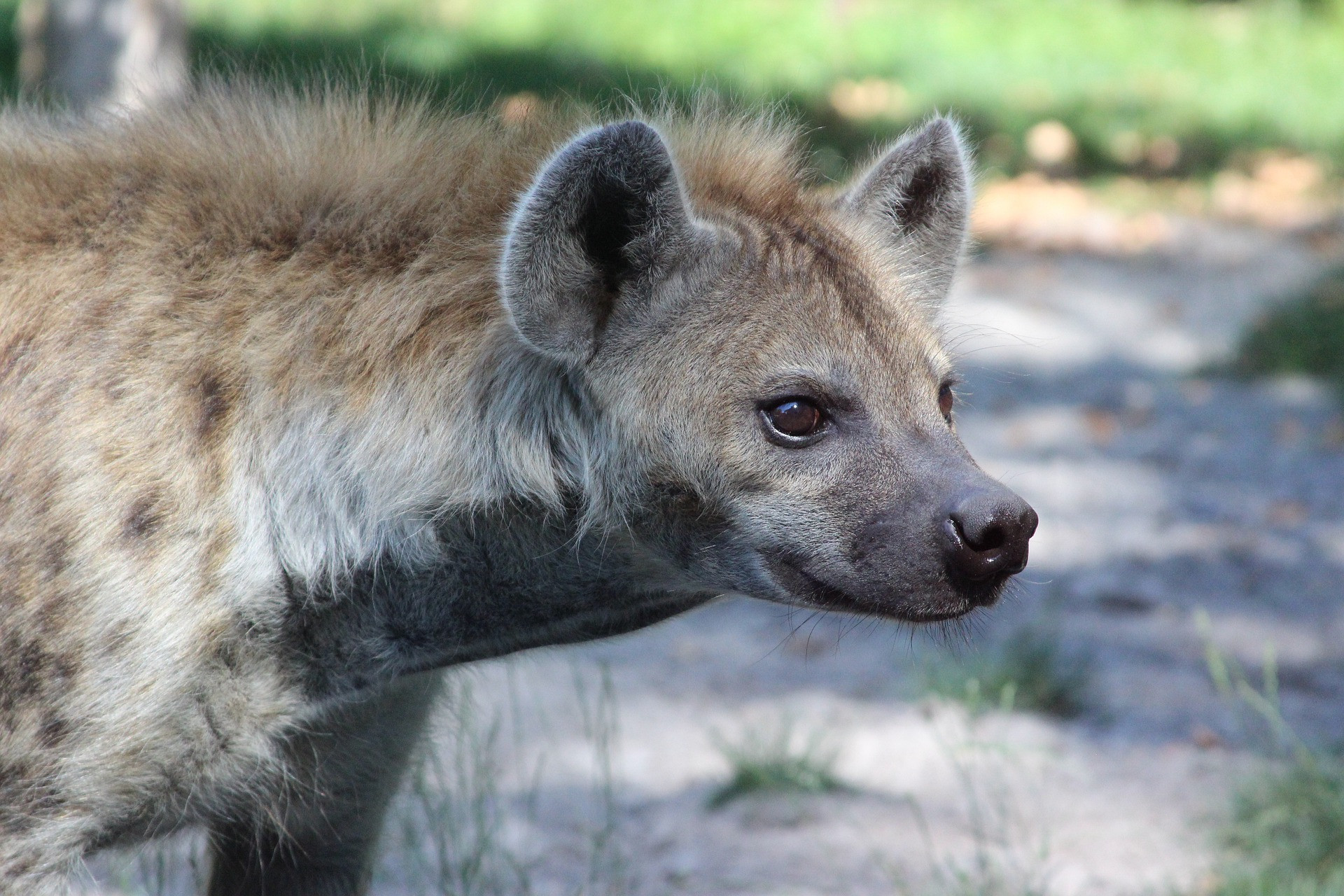
Hyena
1
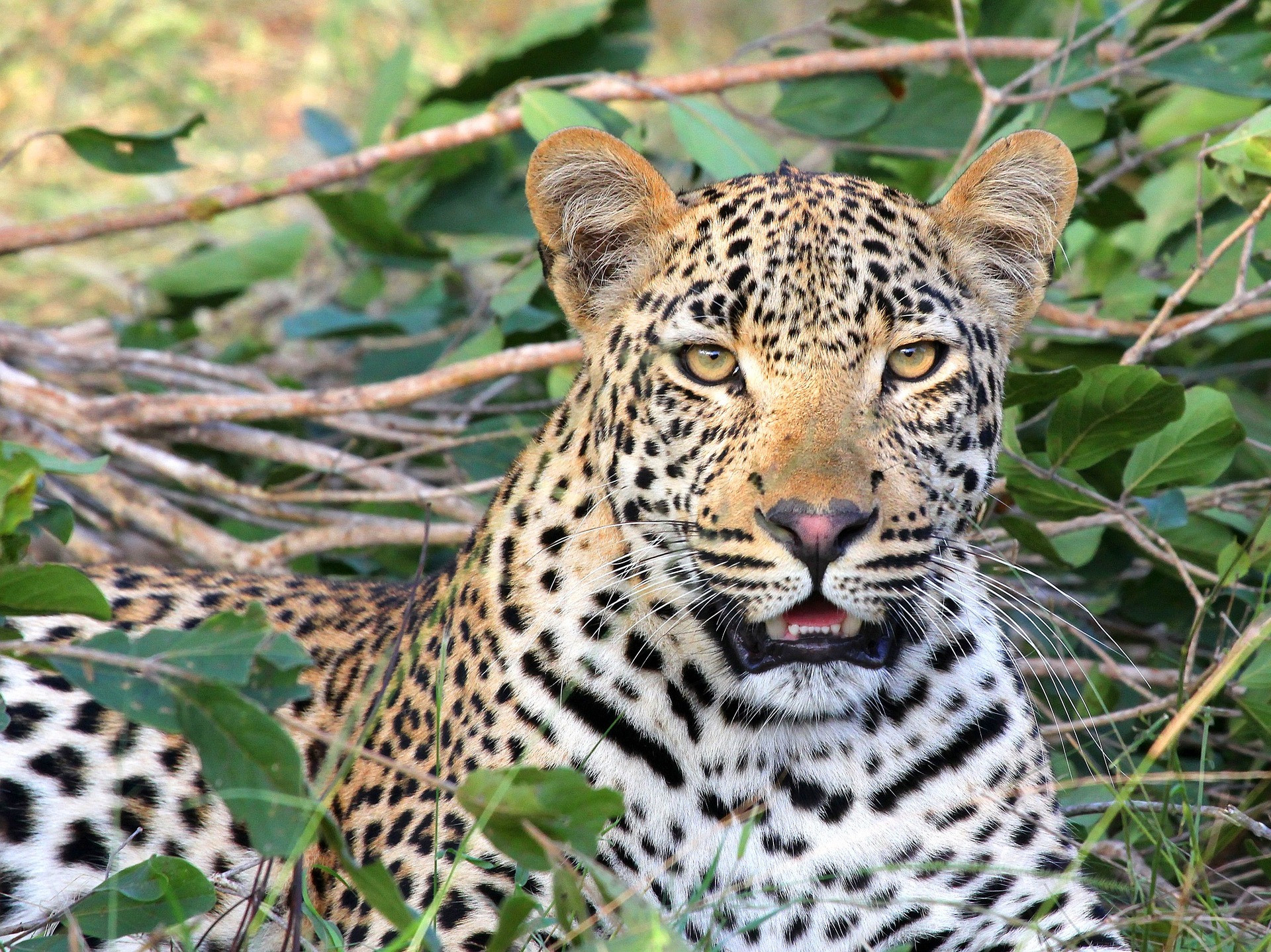
Leopard
1
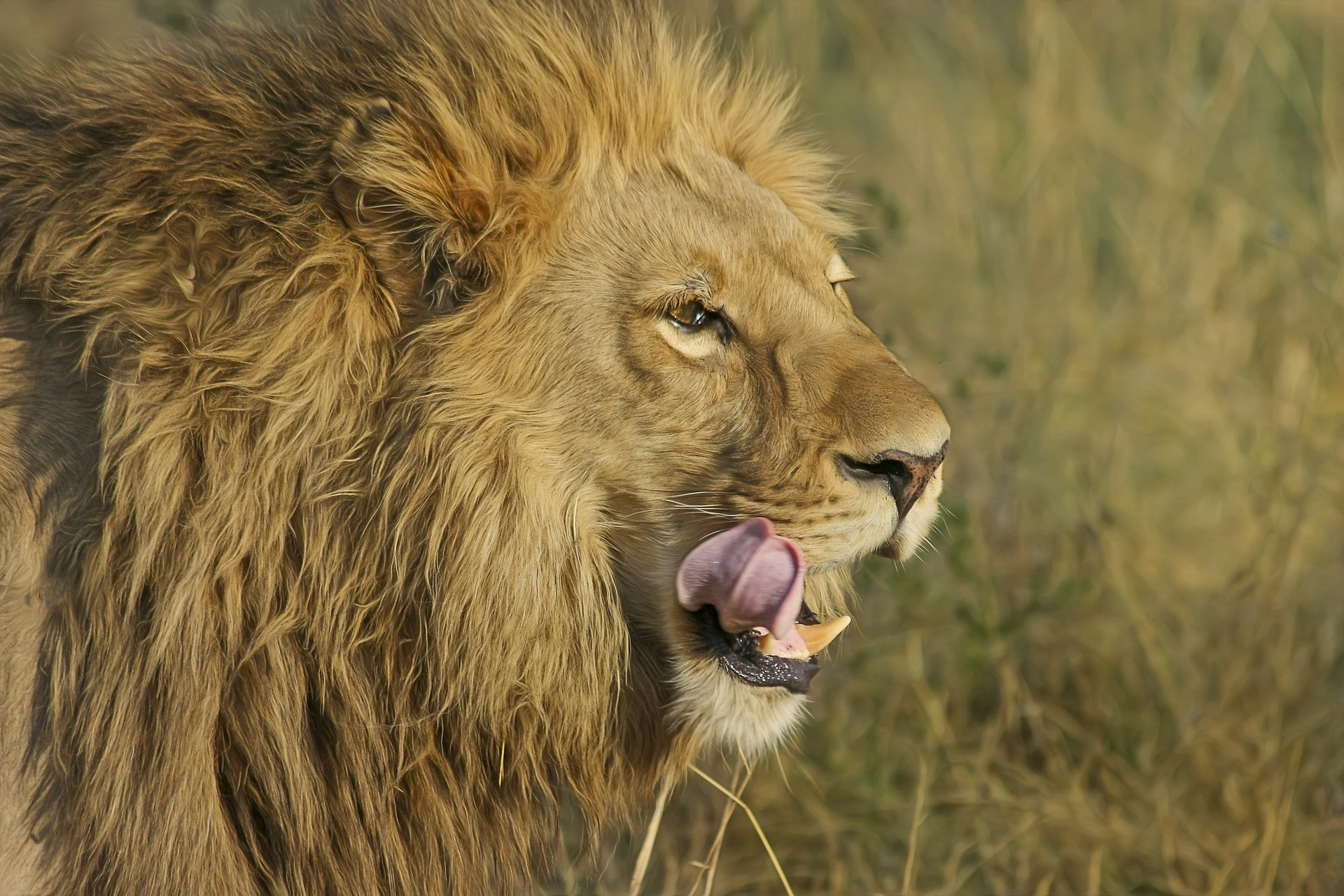
Lion
1
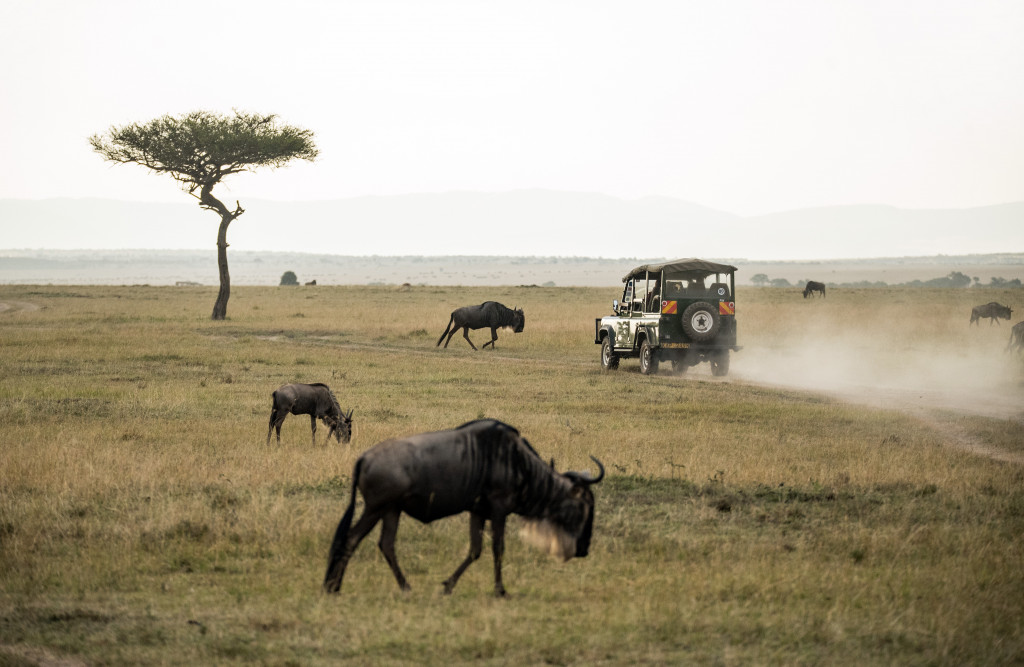
Wildebeest
0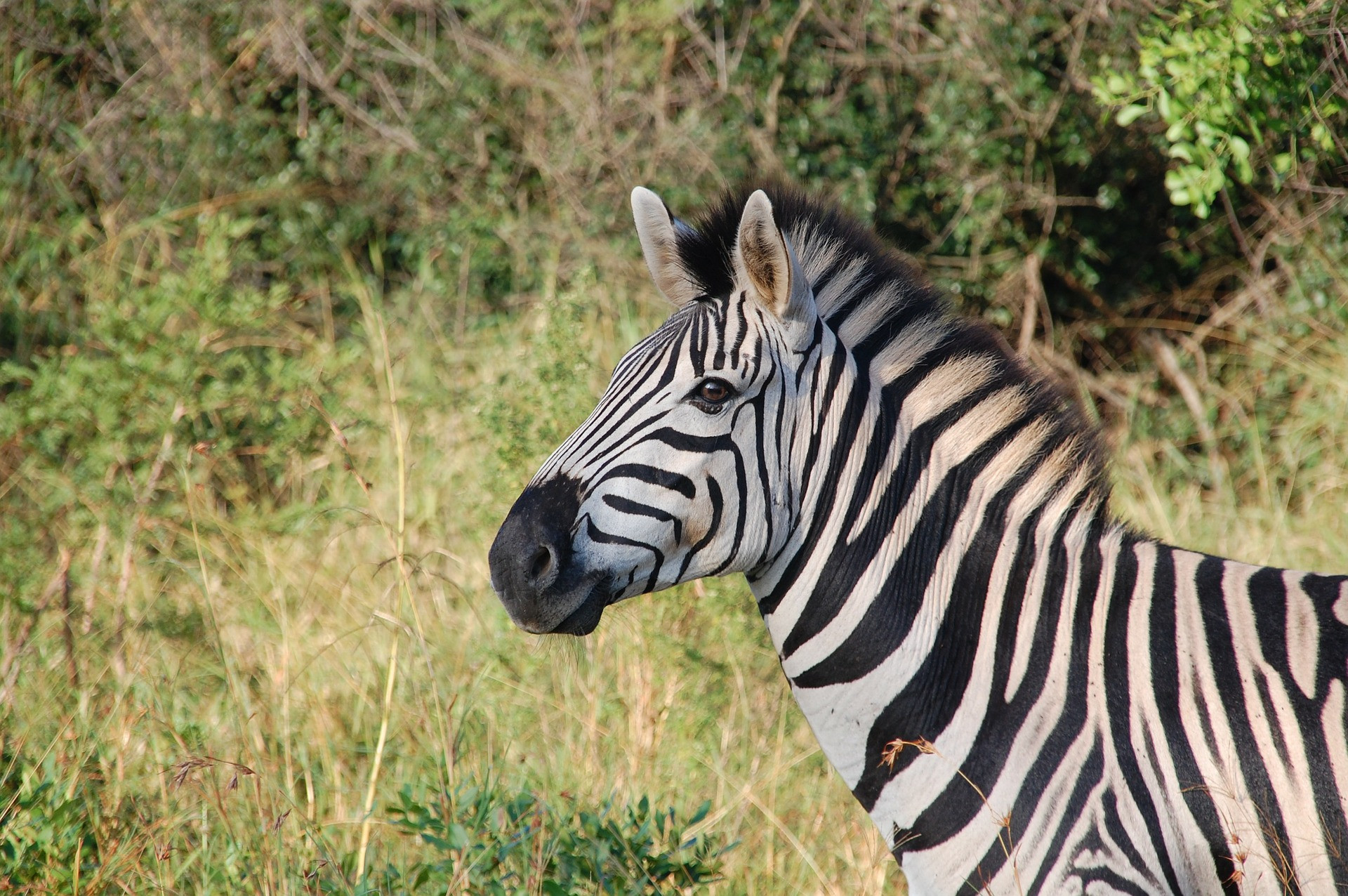
Zebra
0Own this park or reserve?
Claim it to update its details and photos, add what you offer, reply to travellers and promote it on Wapota. It’s free.
Claim this listing →