
About
The Waterberg Biosphere Reserve is a mountainous massif located in the Limpopo Province of South Africa. It spans approximately 654,033 hectares (6,540 km²) and serves as a crucial water reservoir for its arid region, featuring four main river catchment areas. The average height of the mountain range is 600 meters, with some peaks reaching up to 2,000 meters above sea level. The reserve is situated between 23°10' to -24°40'S and 27°30' to -28°40'E, with Vaalwater town lying near its center.
Its extensive rock formations, shaped by millions of years of riverine erosion, have created diverse bluff, butte, mesa, and kopje landforms, with some cliffs rising up to 550 meters above the plains. The ecosystem is characterized as a dry deciduous forest or Bushveld, dominated by sour Bushveld and mixed Bushveld savanna vegetation types, as well as the Waterberg Moist Mountain Bushveld. Unique rock formations, sandstone base rock, and high rainfall in some areas contribute to its distinct landscape. The area contains a high level of biological diversity, including many Red Data and orange-listed species of conservation concern, and numerous endemic species.
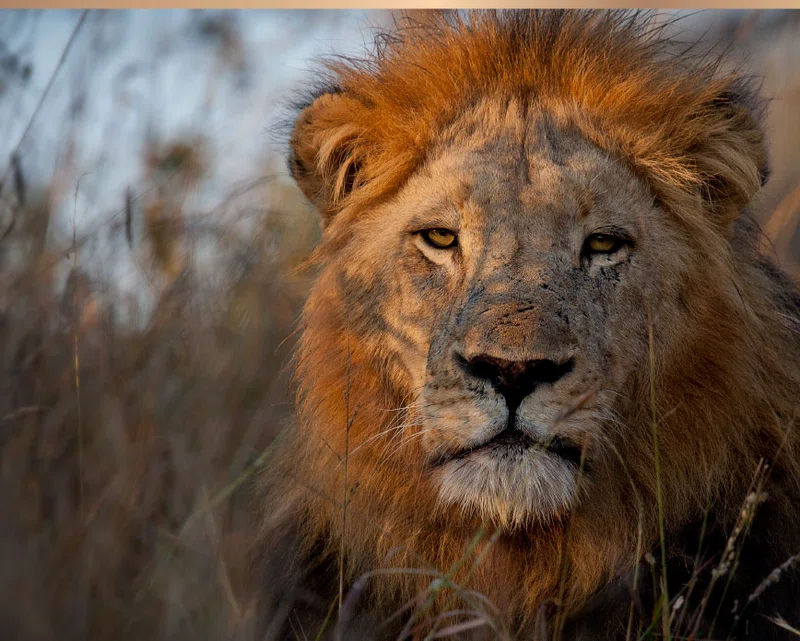
The Waterberg Biosphere Reserve represents a significant savanna biome of Southern Africa, supporting a rich array of wildlife. Indigenous mammals include giraffe, white rhinoceros, warthog, impala, kudu, klipspringer, and blue wildebeest. Predators such as leopard, hyena, and lion are also present. Birdlife is abundant, with species like the black-headed oriole and white-backed vulture. Riparian zones along the various rivers provide habitat for Nile crocodiles and hippopotamuses. The region is considered almost malaria-free. For tourists, the Biosphere encompasses several game reserves, including Marakele National Park, Welgevonden Private Game Reserve, and Lapalala Wilderness Area, offering Big Five safaris, game drives, horseback riding, and mountain biking. The Waterberg Meander is a self-drive route available for exploration.
The Waterberg has been inhabited for hundreds of thousands of years, with archaeological finds dating back to the Stone Age. Nearby Makapansgat has yielded skeletons of Australopithecus africanus, suggesting early human ancestors were present in the broader region. Bushmen entered the Waterberg around two thousand years ago, leaving behind significant San Rock Art, including depictions of rhinoceros and antelope, particularly at Lapalala. Later, Iron Age Bantu and Nguni settlers brought cattle and new technologies, including dry-stone wall building for defensive forts, some of which still survive. The biosphere reserve concept aims to balance the pressures of tourism and the need to generate benefits for local communities with the conservation of natural assets. Environmental education programs, such as those led by the Lapalala Wilderness School, play a vital role in achieving this balance.
Safari Tours

luxury
3-Day Kwafubesi Tented Safari Camp
$709
 TRAIPSING AFRICAS SAFARIS AND TOURS (PTY) LTD trading as Traipsing Africa's Safaris and Tours
Own this park or reserve?
Claim it to update its details and photos, add what you offer, reply to travellers and promote it on Wapota. It’s free.
Claim this listing →