
About
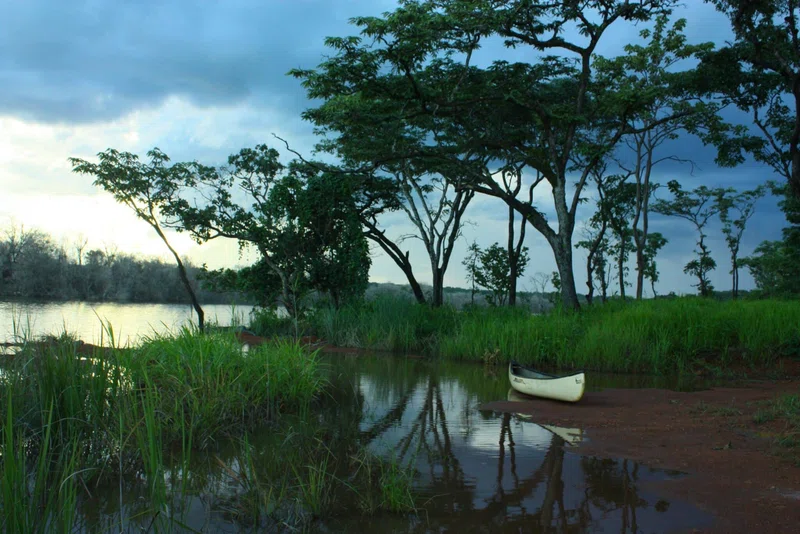
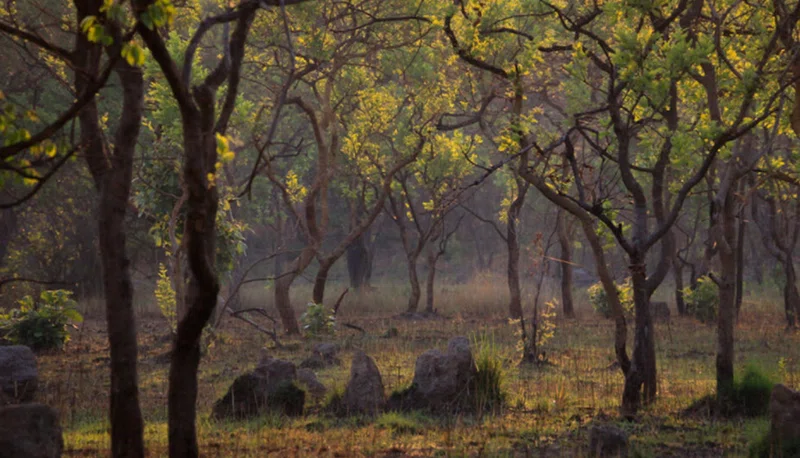
West Lunga National Park is a remote and largely unexplored protected area situated in the Northwestern Province of Zambia, within the Mwinilunga District. Covering approximately 1,700 square kilometers, it lies about 150 kilometers northwest of Kafue and is bordered by the Kabompo River to the east and south, and the West Lunga River to the west. The park is unique in Zambia for its extensive coverage of dense, dry evergreen Cryptosepalum (Mukwe) forests, which represent the largest area of tropical evergreen forest in Africa outside the equatorial zone. This forest mosaic is interspersed with Miombo woodlands, seasonally flooded grass valleys known as dambos, open grasslands, chipya woodlands, and papyrus swamps. Despite high annual rainfall, the sandy, well-drained soils result in a scarcity of permanent surface water bodies beyond its bounding rivers. The park is also home to remarkable natural features, including numerous rapids, stunning waterfalls, limestone caves, underground rivers, hot springs, the dramatic Kabompo Gorge, a sunken lake, and is recognized as the source of the famous Zambezi River. A recently discovered meteorite crater in the northern part of the park adds to its mystique.
The park was established in the 1940s primarily to safeguard the population of the shy, forest-dwelling yellow-backed duiker. While historically impacted by hunting and fishing, conservation efforts are now underway through initiatives like the West Lunga Development Trust and the West Lunga Conservation Project (WLCP), which partner with the Department of National Parks and Wildlife (DNPW) and local communities to restore and protect the ecosystem. These efforts involve community resource boards and game counting programs aimed at increasing wildlife and visitor numbers. The park supports remnant populations of various mammals, including wild dog, buffalo, impala, puku, hippo, crocodile, vervet and samango monkeys, yellow baboon, bushbuck, warthog, bush pig, roan and sable antelopes, hartebeest, eland, and elephant. It is also a significant birding destination, particularly famous for the elusive white-chested tinkerbird, an endemic species whose existence remains a subject of ornithological debate. Other notable bird species include half-collared kingfishers, African finfoots, and various shrikes and cuckoo-shrikes.
West Lunga National Park offers an authentic wilderness experience for adventurous travelers, as it lacks developed tourist facilities and requires visitors to be self-sufficient. Activities primarily revolve around exploring its pristine natural environment. Canoeing and traditional mokoro trips on the Kabompo and West Lunga rivers provide excellent opportunities for birdwatching and navigating rapids. Fishing, especially catch-and-release for tiger fish, is popular in the Kabompo River. Guided walks and hiking safaris, including excursions to the Mulongwanyimu Swamp, allow for close encounters with the park's diverse flora and fauna. The best time to visit is during the dry winter season (May to October) when the forest may be slightly less impenetrable, though its dense vegetation remains a characteristic feature year-round.
Wildlife & Birds
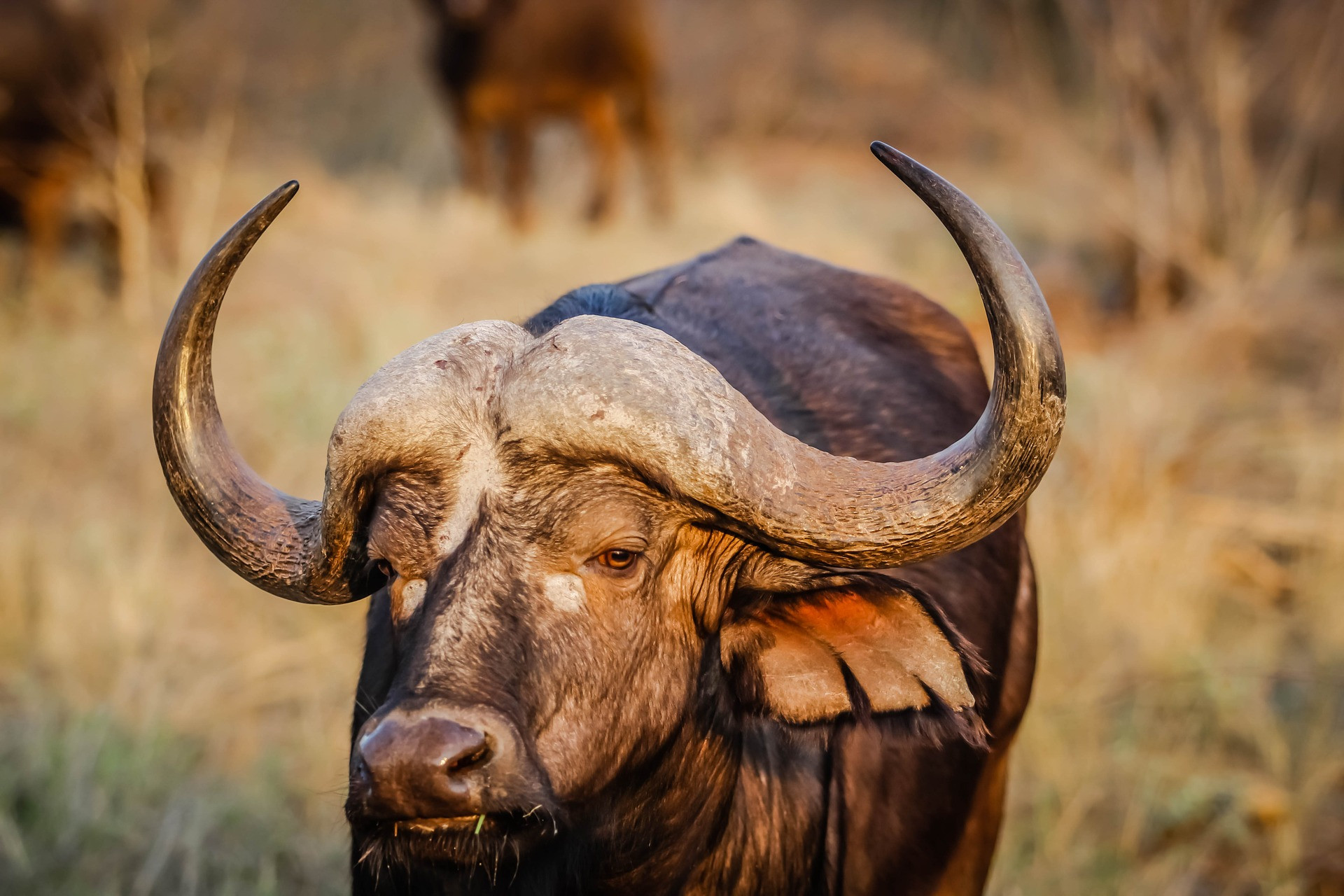
Buffalo
2
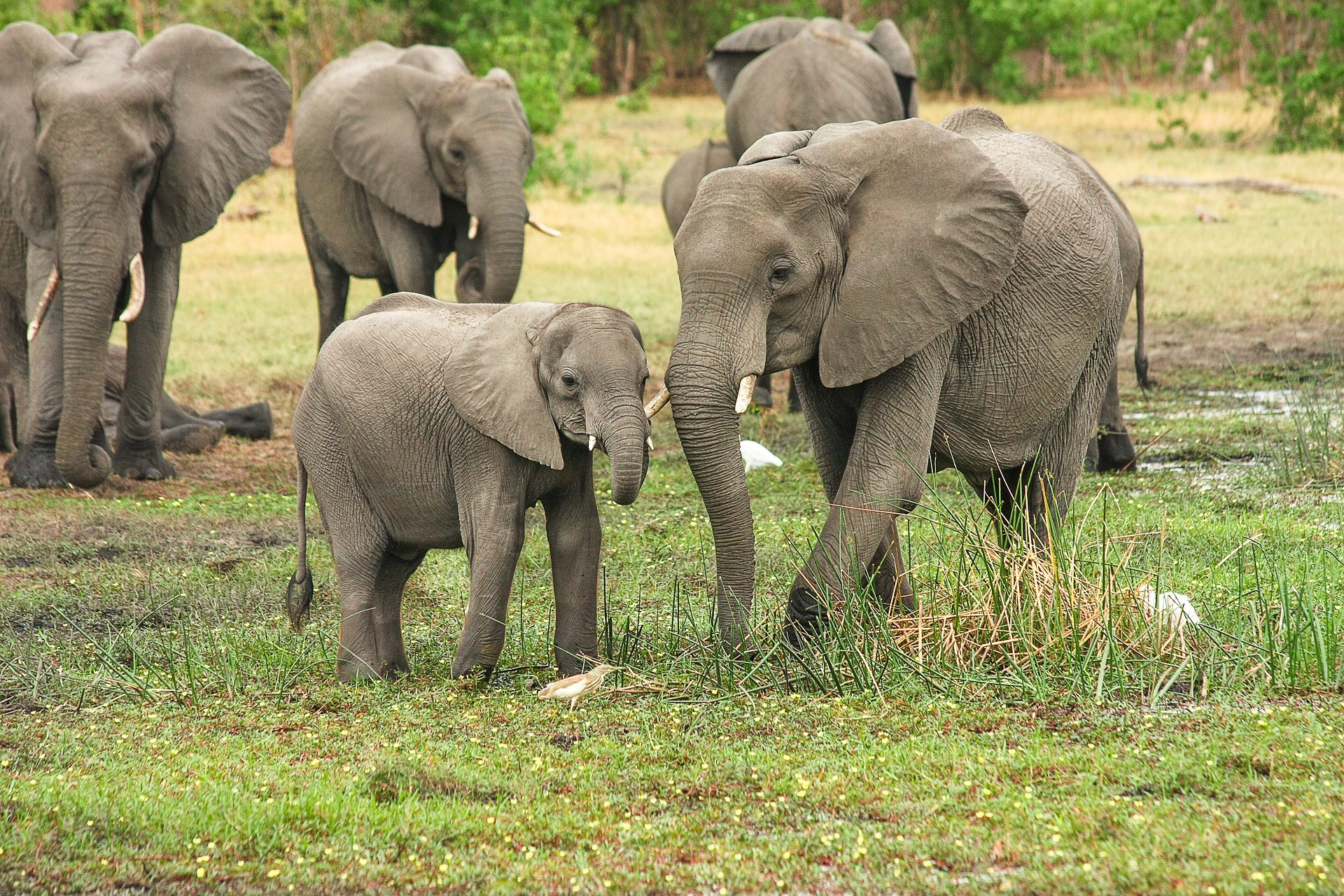
Elephant
2
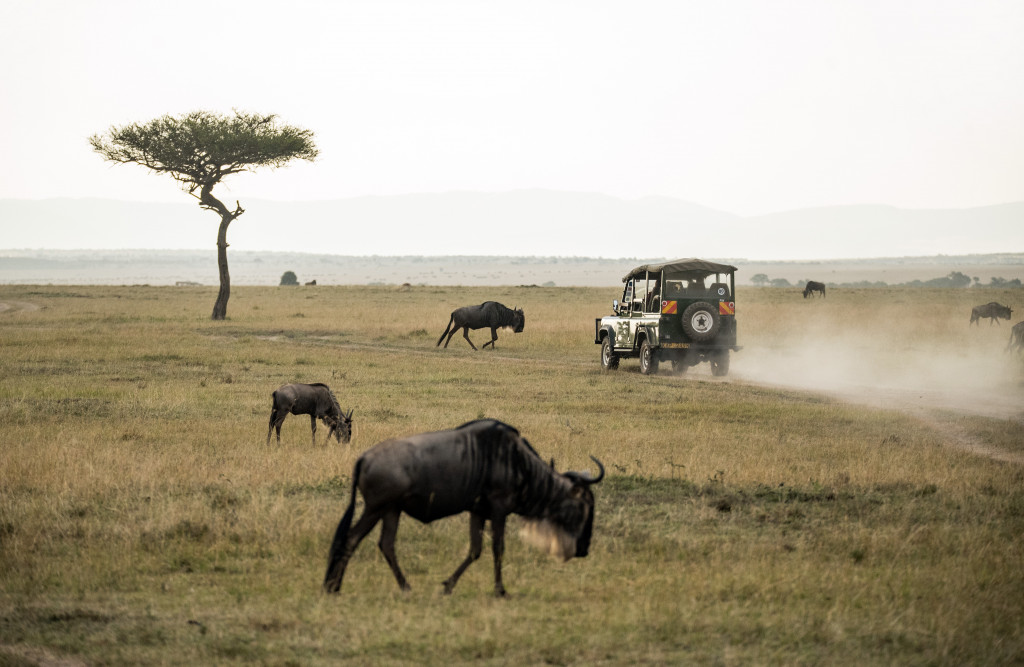
Wildebeest
2
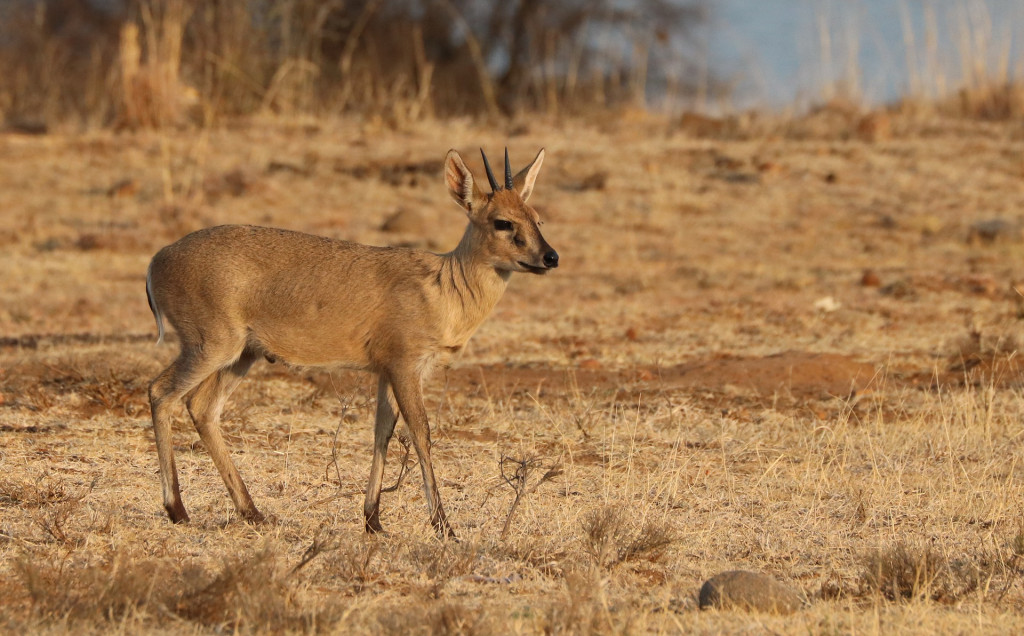
Duiker
2
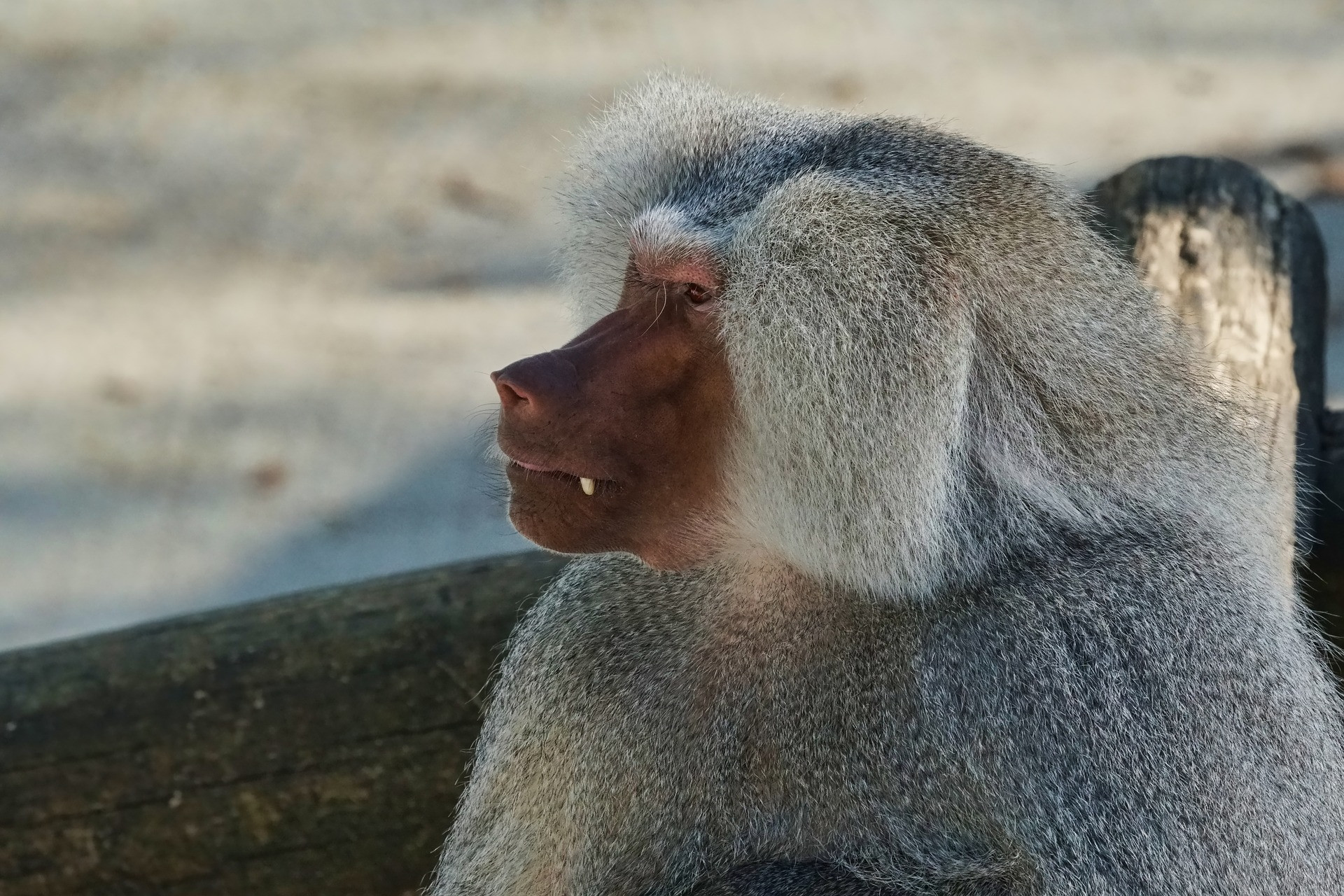
Baboon
2
Hippo
2
Half-collared Kingfisher
3
African Finfoot
3
Black Saw-wing
3
Crested Guineafowl
3
Square-tailed Drongo
3
Own this park or reserve?
Claim it to update its details and photos, add what you offer, reply to travellers and promote it on Wapota. It’s free.
Claim this listing →