
About
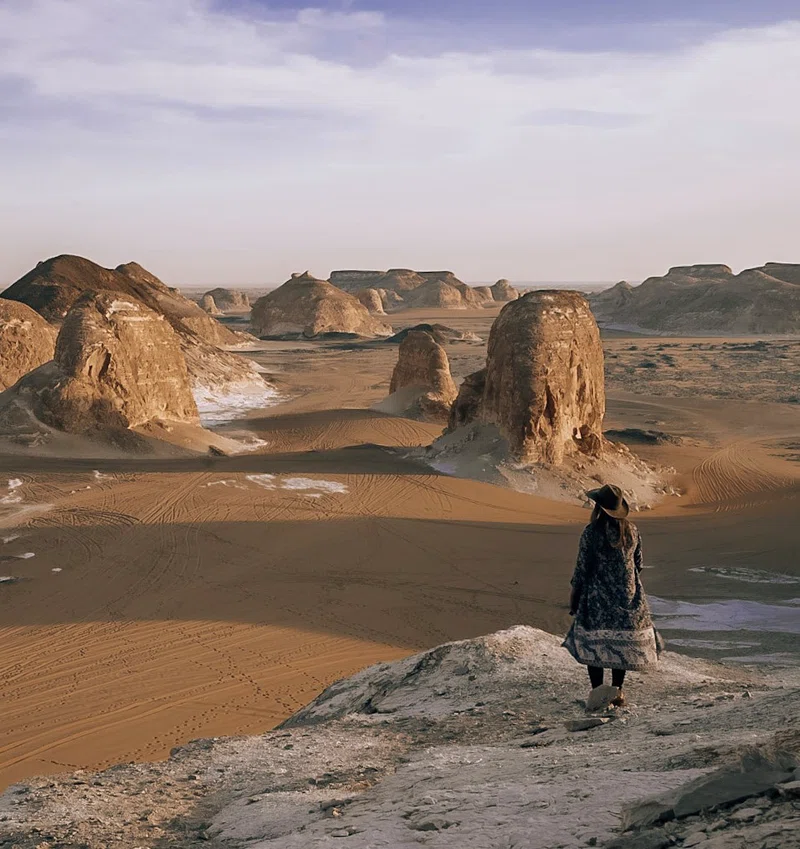
White Desert National Park, known locally as Sahara el Beyda, is a protected natural reserve located in Egypt's Western Desert within the Farafra Depression of the New Valley Governorate. Established as a national park in 2002, the protected area covers approximately 300 square kilometers, situated roughly 45 kilometers north of Qasr Al Farafra and 500 kilometers southwest of Cairo. The park's terrain ranges from an elevation of 32 meters above sea level at Wadi Hennis to 353 meters at El Qess Abu Said.
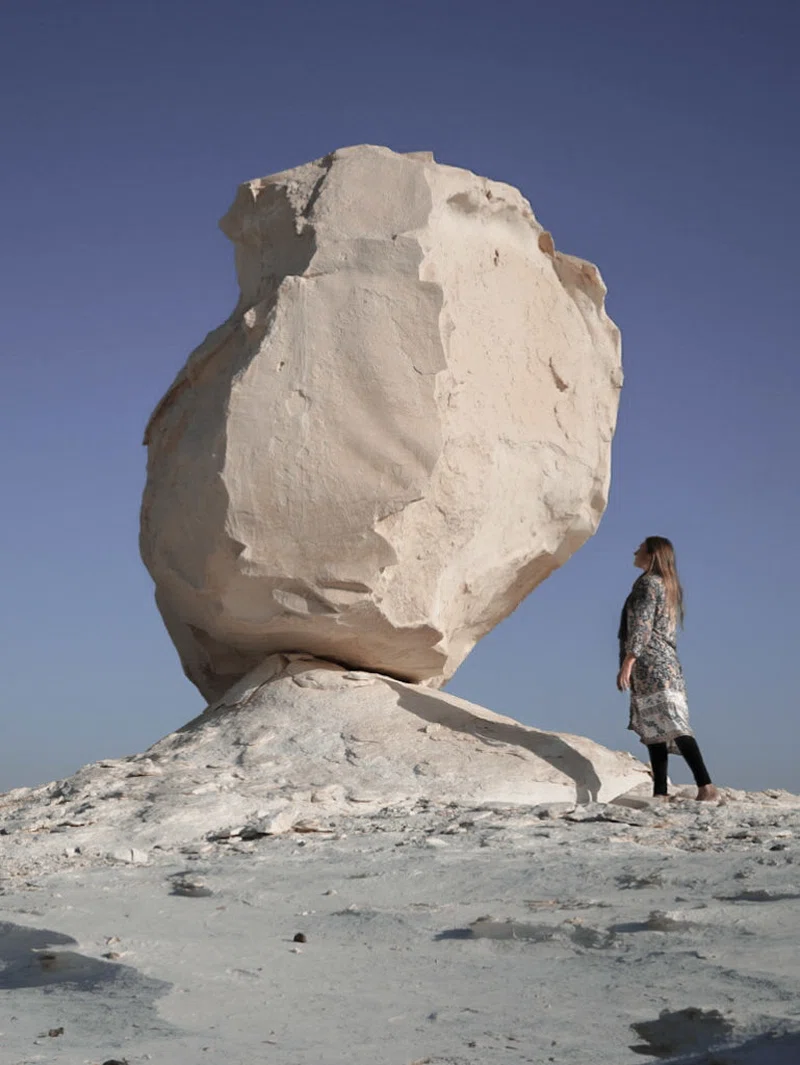
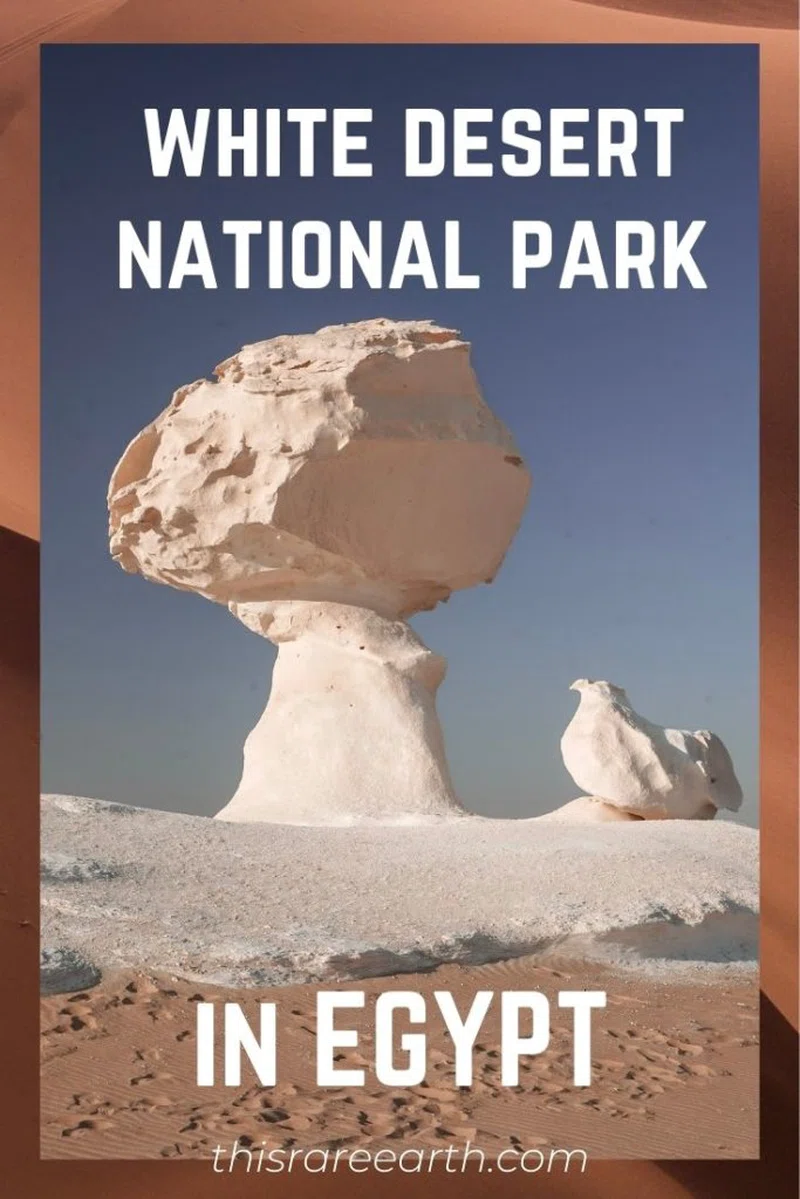
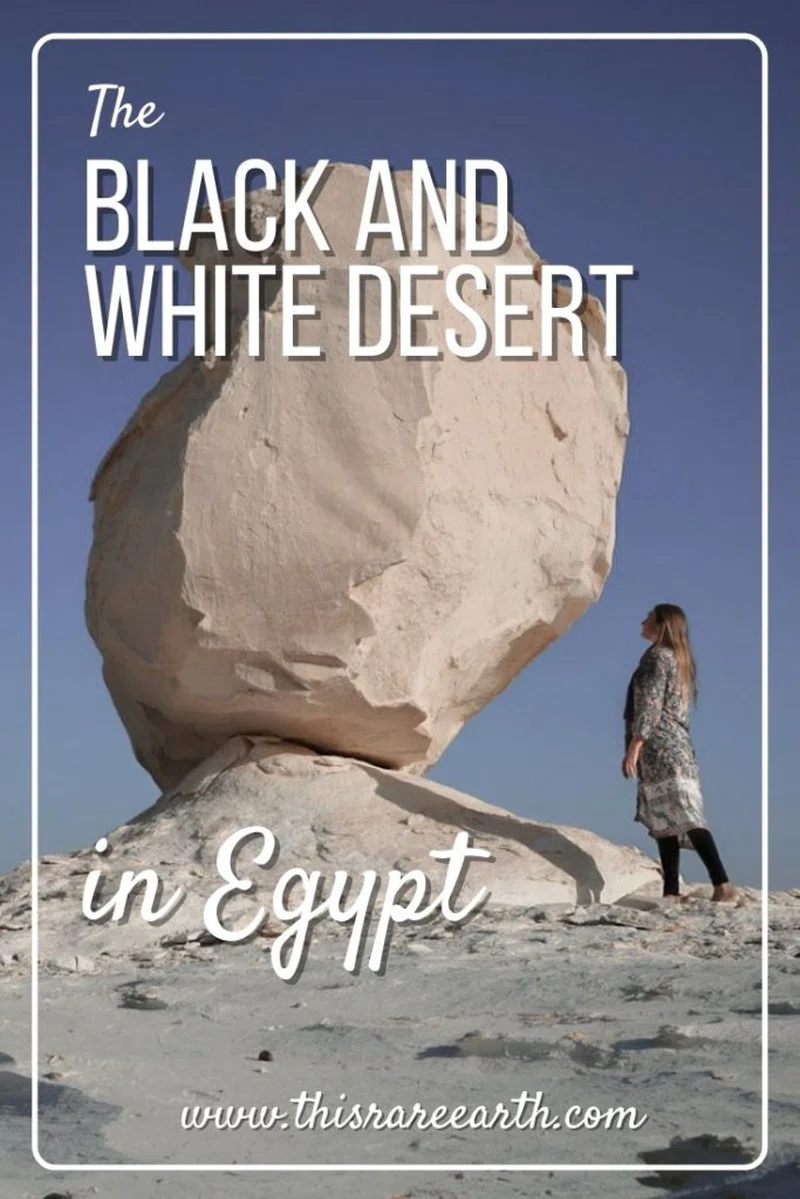
The park is renowned for its geological landscape characterized by massive white chalk rock formations sculpted over millions of years by wind and sand erosion. These formations, known geologically as yardangs and inselbergs, originated from an ancient seabed composed of consolidated marine deposits and calcium carbonate. Over time, atmospheric erosion carved the soft chalk into distinct shapes resembling giant mushrooms, icebergs, towers, and animal figures. Interspersed throughout the chalk canyon are golden sand dunes bordering the Great Sand Sea, black iron-pyrite outcrops, and mineralized landmarks such as Crystal Mountain, a ridge composed of quartz crystals.
Despite its hyper-arid desert environment, the national park supports specialized flora and fauna. Wildlife species inhabiting the region include the endangered rhim gazelle, vulnerable dorcas gazelle, Barbary sheep, fennec fox, red fox, Ruppell's fox, sand cat, desert hedgehog, and various desert-adapted reptiles and migratory birds. Visitors explore the park through four-wheel-drive safari excursions, sandboarding, and overnight wilderness camping under clear desert night skies, often guided by local Bedouin who navigate the desert terrain.
Own this park or reserve?
Claim it to update its details and photos, add what you offer, reply to travellers and promote it on Wapota. It’s free.
Claim this listing →