
About
Wuparo Conservancy is a community-based conservation area located in the Sangwali District of Namibia, established in 1997 by the Mayeyi Traditional Authority. Its primary goal is to ensure that local communities benefit from the natural resources found within its boundaries, situated between the Nkasa Rupara (formerly Mamili) and Mudumu national parks. The conservancy was developed with support from the Integrated Rural Development and Nature Conservation (IRDNC) and the Ministry of Environment and Tourism (MET), and has since fostered increased tourism, created employment opportunities for local youth, and provided environmental education in local schools.
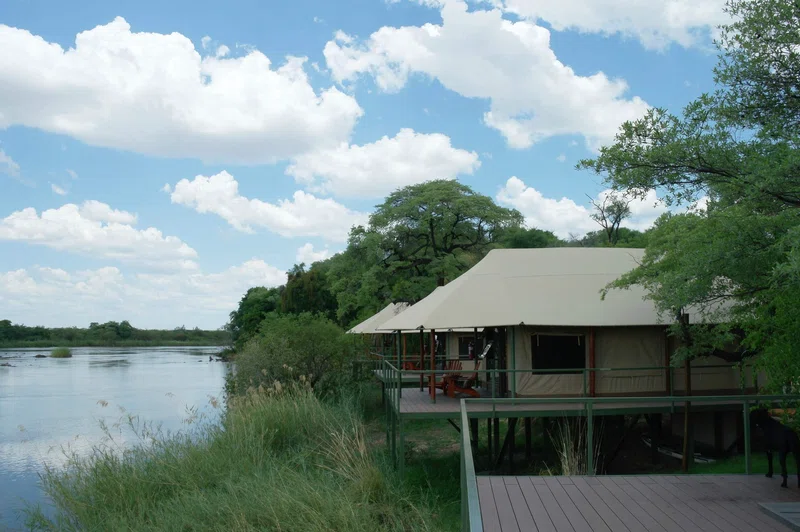
The conservancy plays a vital role in wildlife protection and community development. It is involved in initiatives such as the Elephant Pepper Chilli Project, which encourages communal farmers to grow chili peppers as a cash crop to deter elephants and other wildlife from raiding crops, thereby mitigating human-wildlife conflict and improving local livelihoods. Wuparo Conservancy has also entered into joint venture agreements with tourism operators, notably partnering with Nkasa Lupala Lodge. These partnerships ensure that a portion of tourism revenue, including fixed monthly payments and a percentage of turnover, directly benefits the conservancy, securing salaries for game guards and supporting conservation efforts. The conservancy also manages Rupara Restcamp in a joint venture, offering various accommodation options and activities.
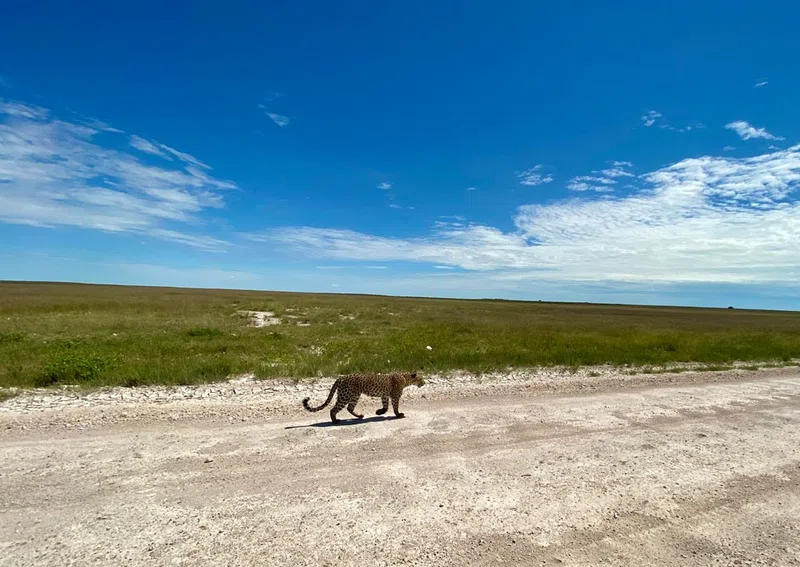
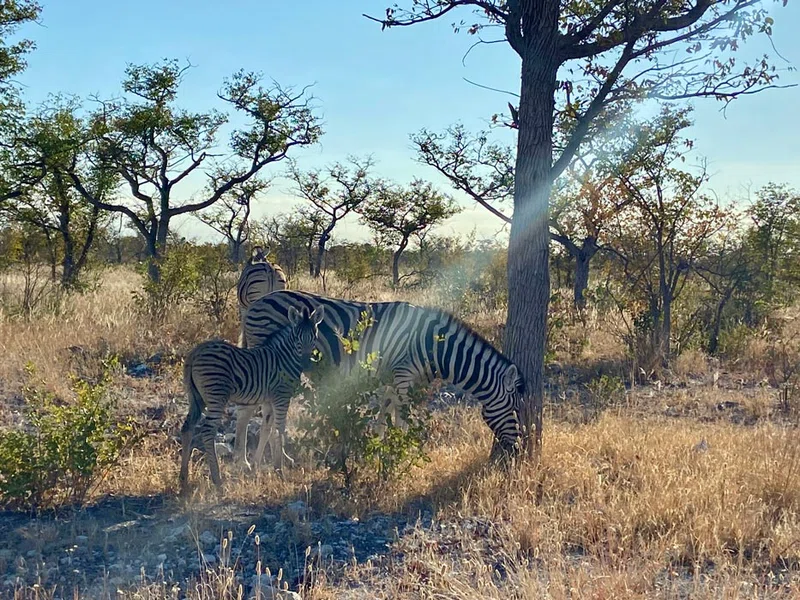
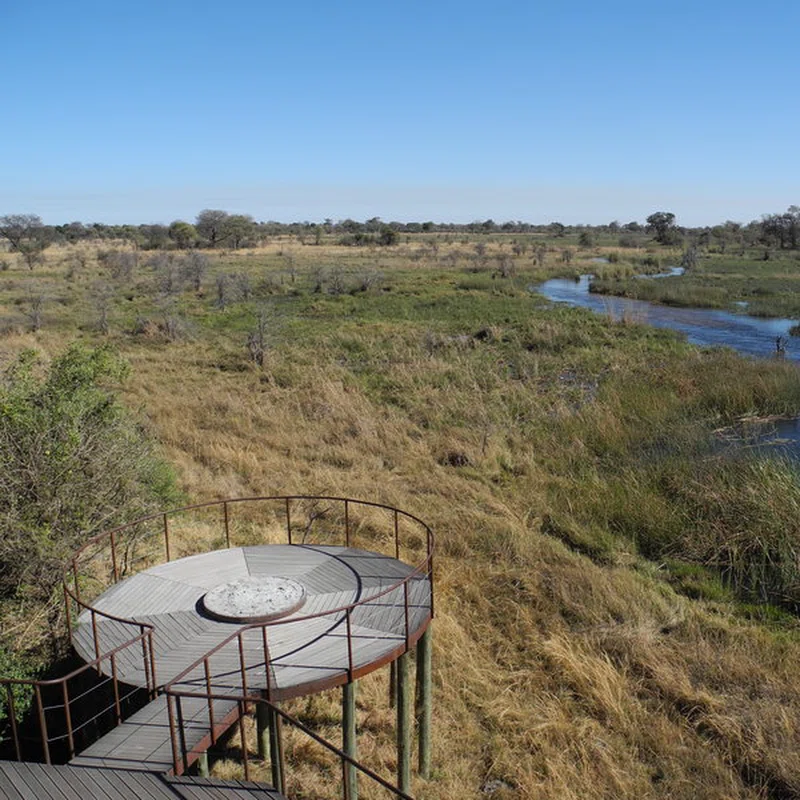
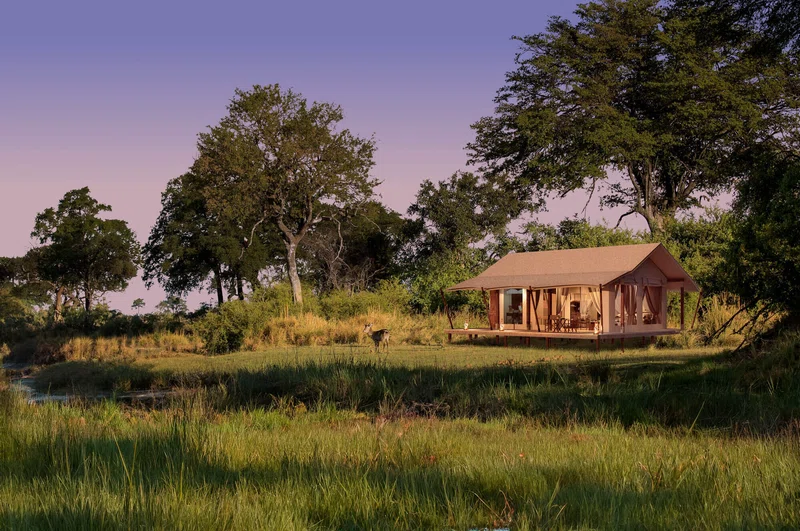
The diverse landscape of Wuparo Conservancy, characterized by lush grasslands, reeds, and trees, is a haven for a wide array of wildlife. Visitors can experience game drives, night drives, and walking safaris within the conservancy and the adjacent Nkasa Rupala National Park, with potential sightings of elephants, buffalo, lions, leopards, zebras, wildebeest, and hippos. The area is particularly known for its significant elephant migrations from Botswana during winter. Birdwatching is also a popular activity, with species like the Black Coucal, Black-bellied Bustard, Little Bittern, and Secretarybird present. Cultural experiences, such as village visits, offer insights into Namibian traditions.
Own this park or reserve?
Claim it to update its details and photos, add what you offer, reply to travellers and promote it on Wapota. It’s free.
Claim this listing →