
About
Zahamena National Park is a significant protected area situated in the northeastern highlands of Madagascar, approximately 40 kilometers northeast of Ambatondrazaka and about 25 kilometers east of Lake Alaotra. Established as a strict natural reserve in 1927 and later designated a national park in 1997, it encompasses 423 square kilometers (42,300 hectares) within a larger protected zone of 643 square kilometers. The park is geographically divided into eastern and western sectors, with a central corridor where villages of the Sihanaka and Betsimisaraka ethnic groups are located. Its remote and rugged terrain, characterized by undulating hills, steep valleys, and rivers like the Sahatavy and Sarondrina, contributes to its preserved state. The park's elevation ranges from 254 to 1,560 meters above sea level, fostering a humid, subtropical climate with consistent rainfall, even during the dry season. This unique environment supports a rich array of ecosystems, making it a vital component of the UNESCO World Heritage Site, "Rainforests of the Atsinanana," inscribed in 2007.
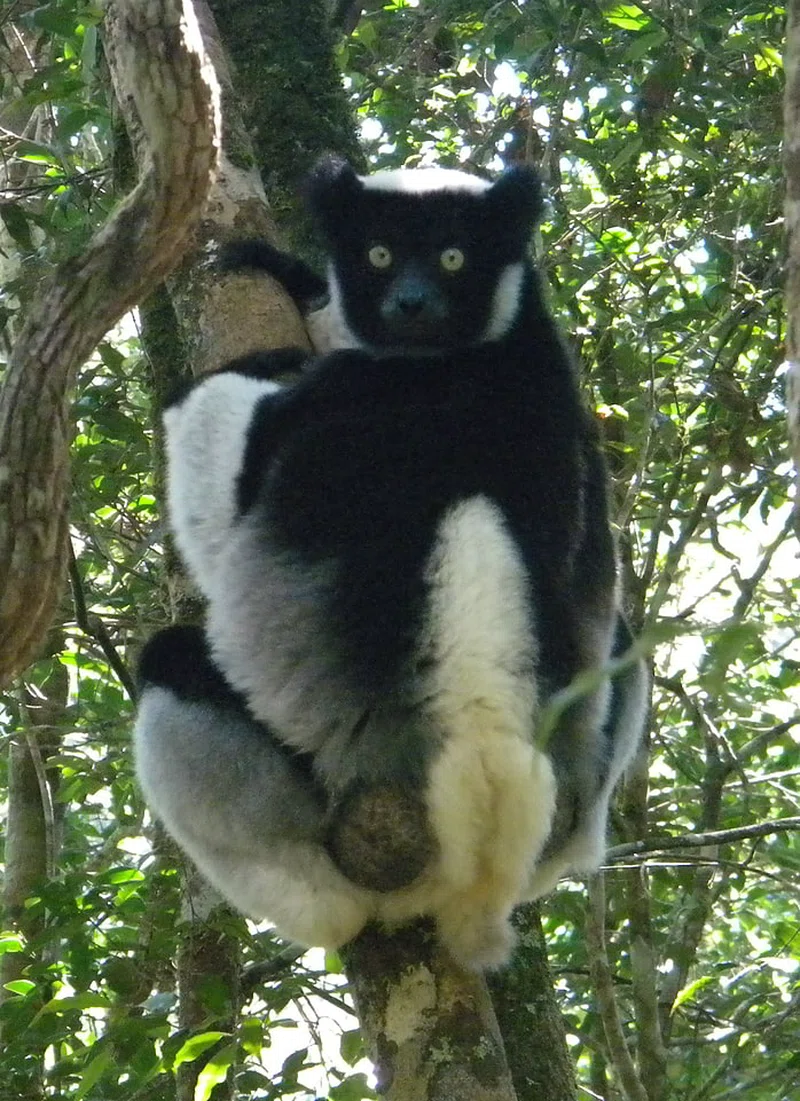
The park is renowned for its exceptionally high biodiversity, boasting an endemism rate of nearly 100% for some species. It is a premier destination for bird-watching, hosting 112 avian species, 67 of which are endemic to Madagascar, including the Madagascar serpent eagle, Madagascar red owl, blue coua, and red-tailed newtonia. Zahamena is also home to 45 mammal species, notably 13 types of lemurs such as the Indri, Diademed sifaka, black-and-white ruffed lemur, Aye-aye, and the rare Lake Alaotra bamboo lemur. Beyond birds and mammals, the park's diverse fauna includes 46 reptile species, 62 amphibian species, and various carnivores like the Fossa. The flora is equally impressive, with dense evergreen forests featuring towering trees, shrubs, tree ferns, and sclerophyllous montane forests. Over 60 species of orchids, 20 species of palms, and more than 500 woody plant species thrive here. The park's name, "Zahamena," is derived from a local hardwood tree with distinctive red timber. Natural features like the Bemoara natural pool and the 80-meter Andranomitsanga waterfall add to its scenic beauty.
Visitors to Zahamena National Park can engage in hiking and bird-watching along several circuits that vary in difficulty and length, some offering panoramic views of Lake Alaotra or leading to refreshing waterfalls. Basic camping facilities are available for those wishing to extend their stay. Access to the park requires coordination with the park office in Antanandava for permits and accredited guides. The park plays a critical role in providing water to surrounding communities. Despite its protected status, Zahamena faces ongoing threats from slash-and-burn agriculture, hunting, illegal logging, and gem mining, necessitating continuous conservation efforts managed by Madagascar National Parks and supported by international organizations.
Own this park or reserve?
Claim it to update its details and photos, add what you offer, reply to travellers and promote it on Wapota. It’s free.
Claim this listing →