
About
Zambezi National Park, located in Zimbabwe, is a pristine wilderness area situated upstream from the iconic Victoria Falls. Conjoined with Victoria Falls National Park, the combined area spans 56,000 hectares, with the Zambezi River forming 40 kilometers of its northern border, which also delineates the boundary between Zimbabwe and Zambia. The park was established in 1979, having been split off from Victoria Falls National Park, and is bisected by a tar road leading to Kazungula, creating two distinct game-viewing sections: the Zambezi River Game Drive and the 25-kilometer Chamabondo Game Drive in the southern part of the park.
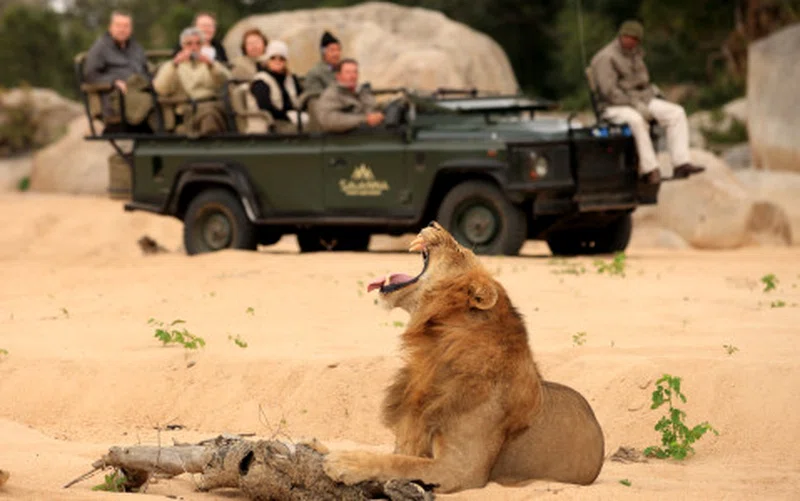
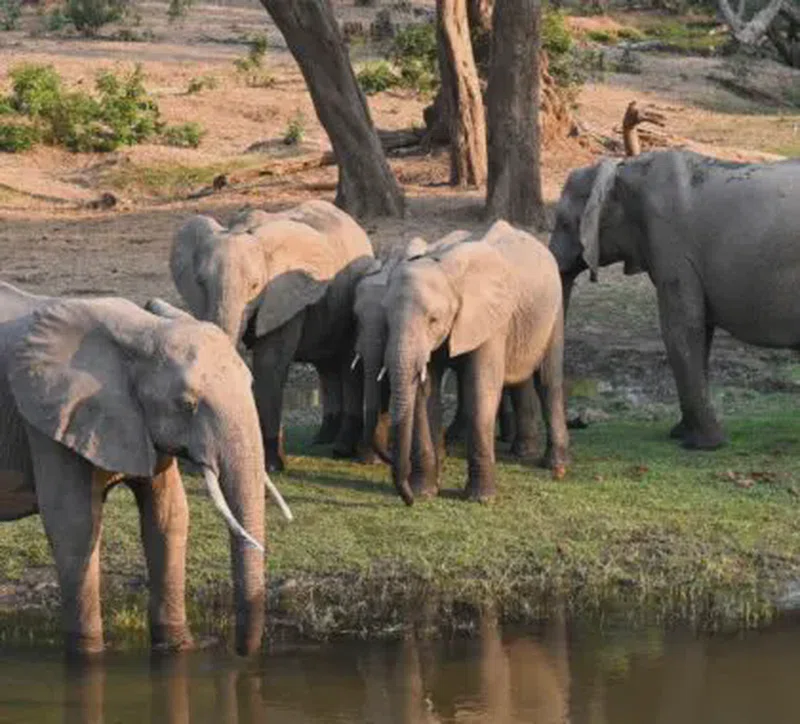
The park's diverse terrain includes Zambezian and Mopane savanna woodlands, riverine woodlands, dry river beds, rocky outcrops, and natural spring-lines. This rich habitat supports a wide array of wildlife, including four of the "Big Five": elephant, lion, buffalo, and leopard. Other commonly sighted mammals include sable antelope, eland, zebra, giraffe, kudu, waterbuck, impala, hippos, and crocodiles. Over 400 species of birds have been recorded, making it a birdwatcher's paradise, with notable species such as Pel's Fishing Owl, African Skimmer, Lanner Falcon, and Goliath Heron. The Zambezi River itself is home to over 75 fish species, including the renowned bream and tenacious tiger fish, offering excellent fishing opportunities.
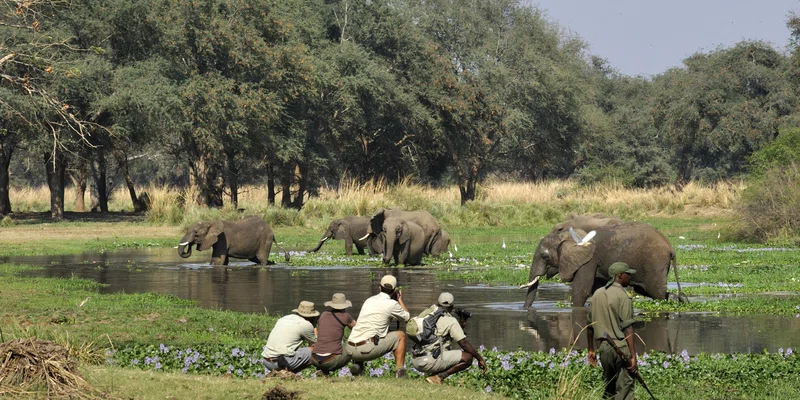
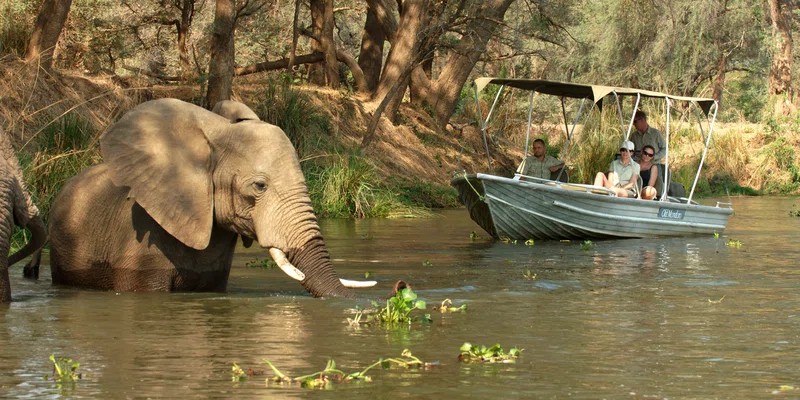
Visitors to Zambezi National Park can engage in a variety of activities, including game drives, walking safaris, and canoe trips along the Upper Zambezi. There are 25 numbered picnic sites attractively situated on the riverbanks for day visitors. Accommodation options range from basic self-catering lodges and camping facilities managed by ZimParks to several private luxury safari camps and lodges located along the river or on islands. The park is easily accessible via Victoria Falls town and Victoria Falls International Airport. The best time to visit for game viewing is typically between June and September, during the dry season, when wildlife congregates around the river and vegetation is less dense. However, the wet season from November to April offers exceptional birding opportunities.
Wildlife & Birds
African Skimmer
1
Collared Palm Thrush
3
Goliath Heron
3
Lanner Falcon
3
Long-toed plover
3
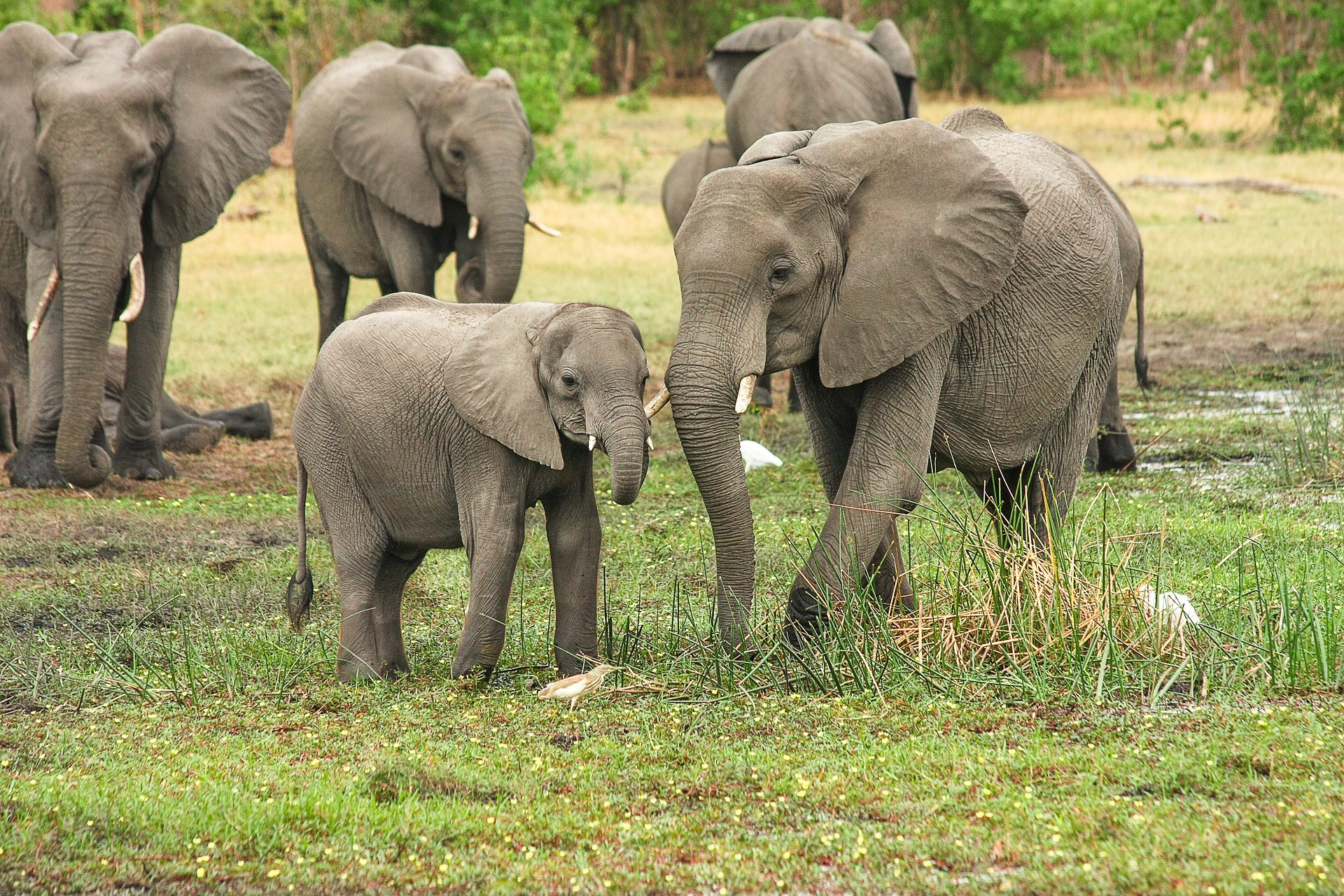
Elephant
3
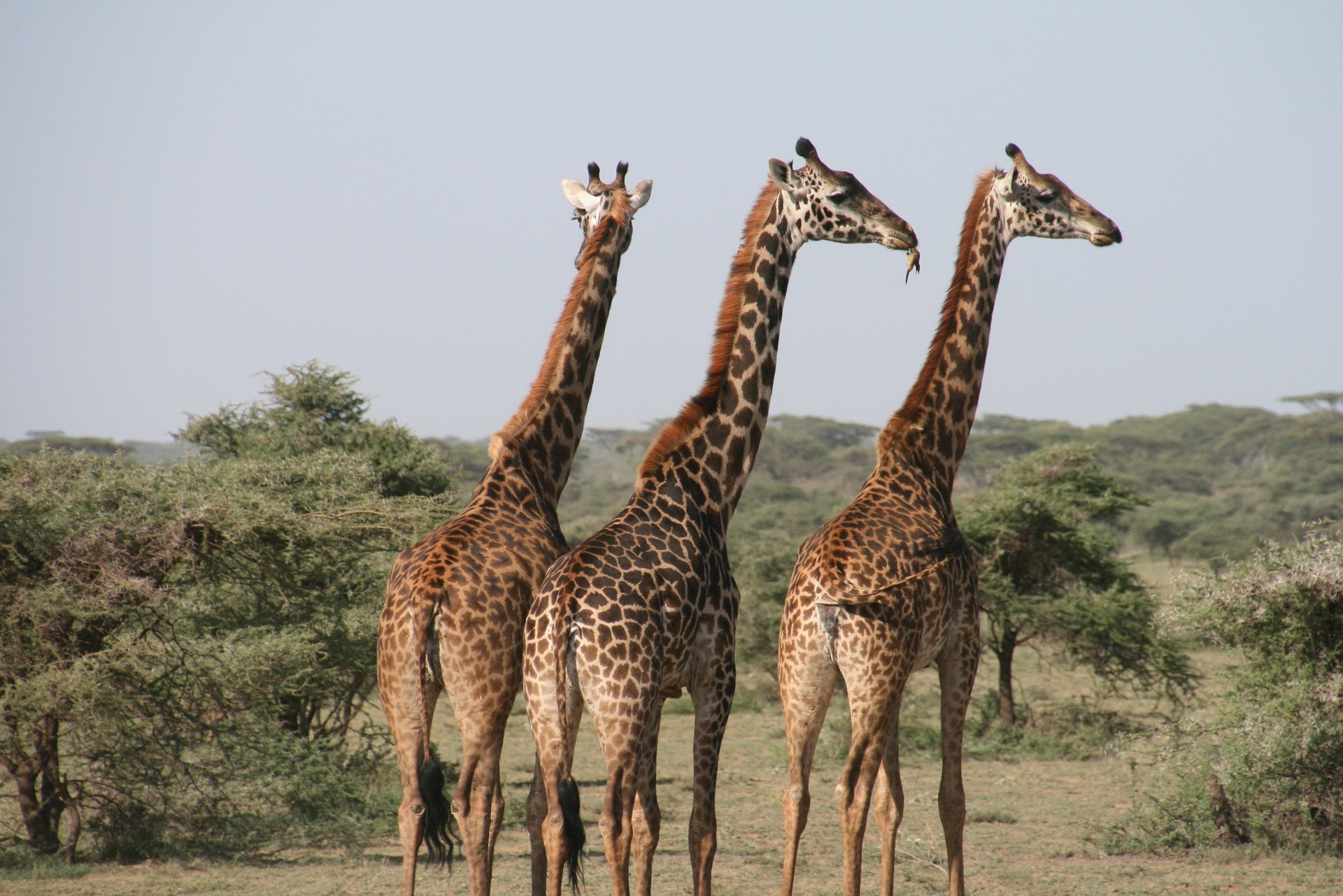
Giraffe
3
Hippo
4
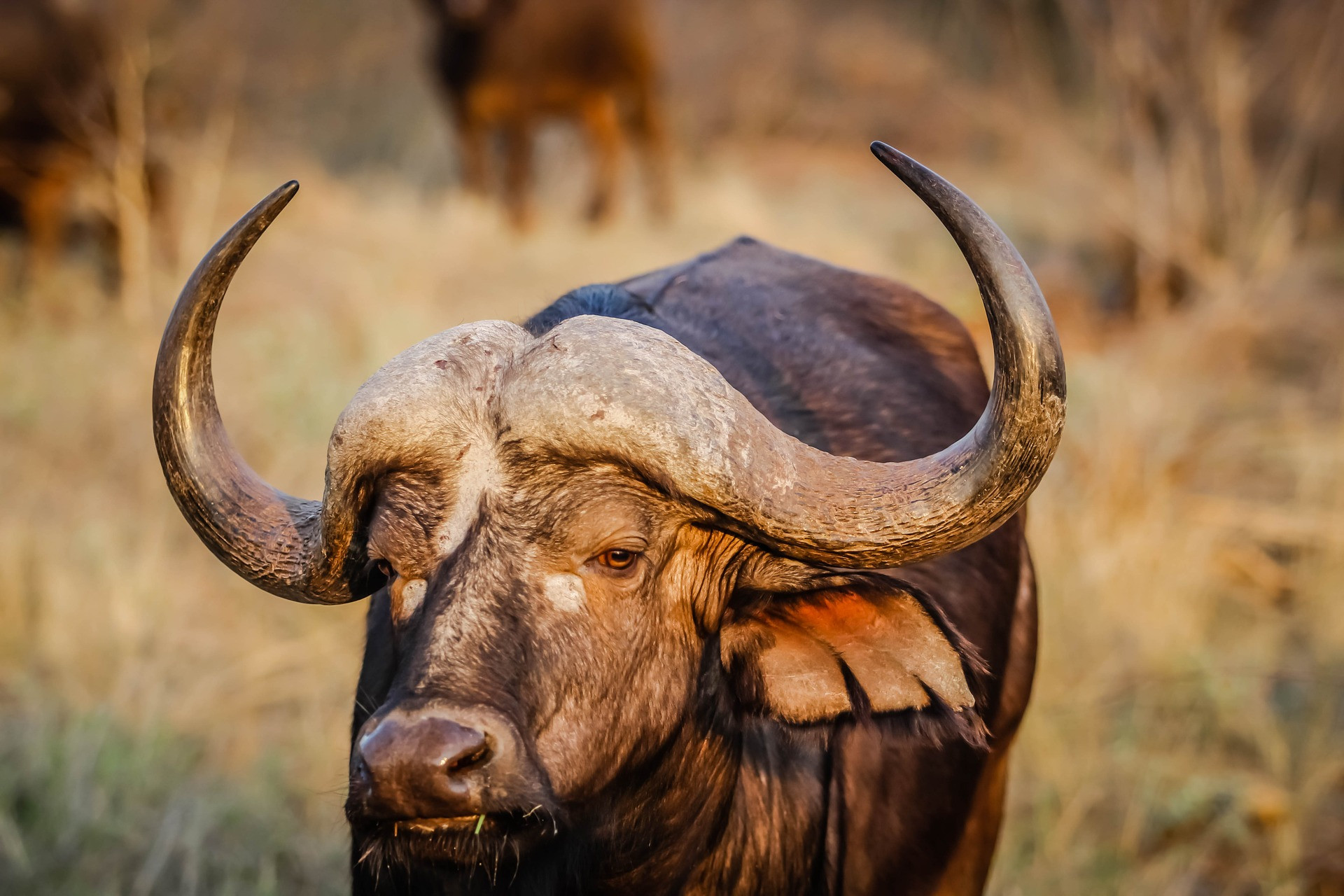
Buffalo
3
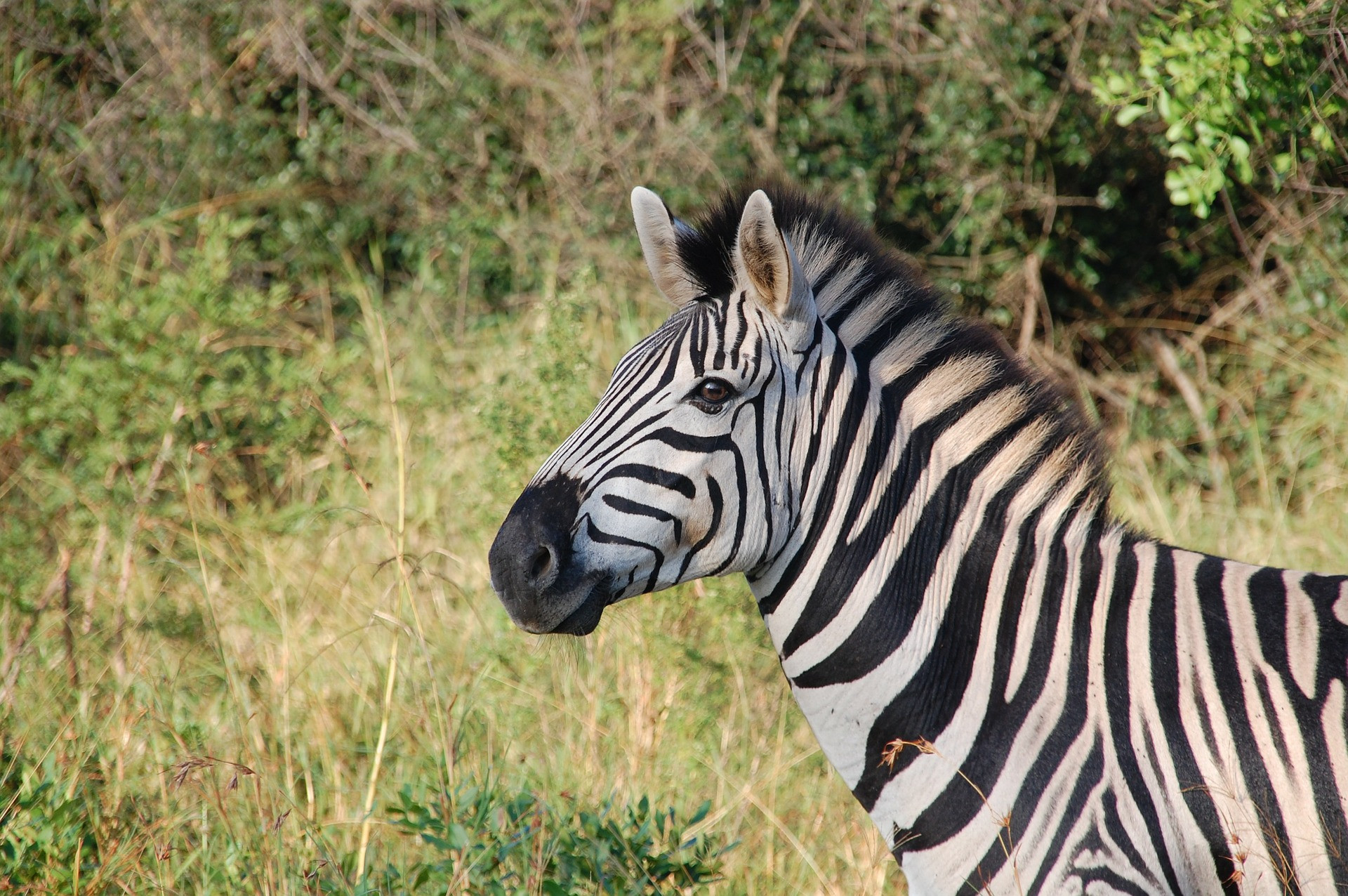
Zebra
2
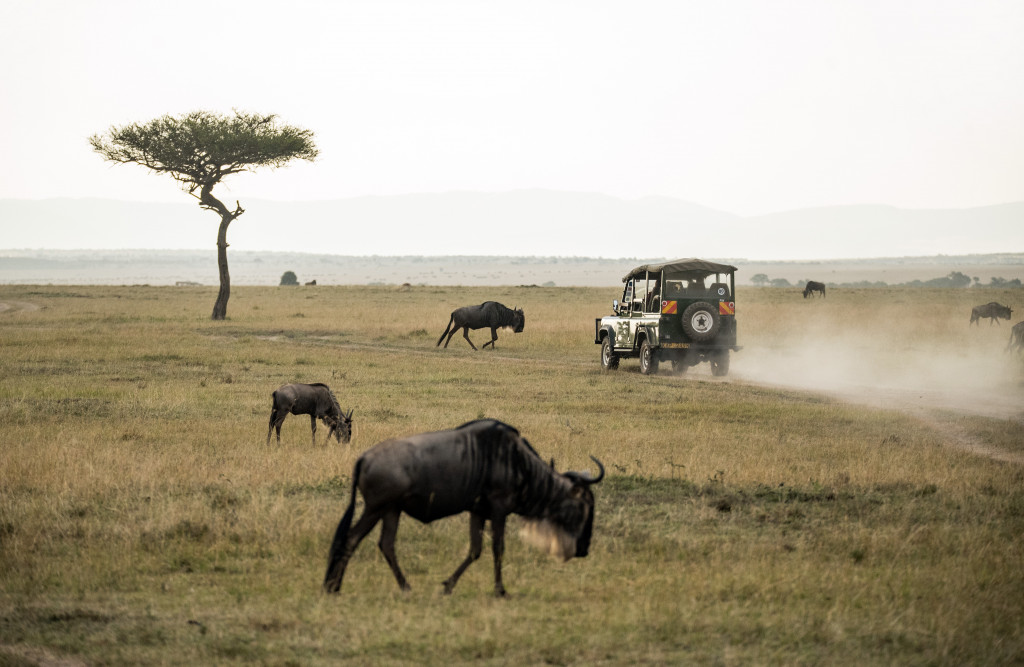
Wildebeest
2
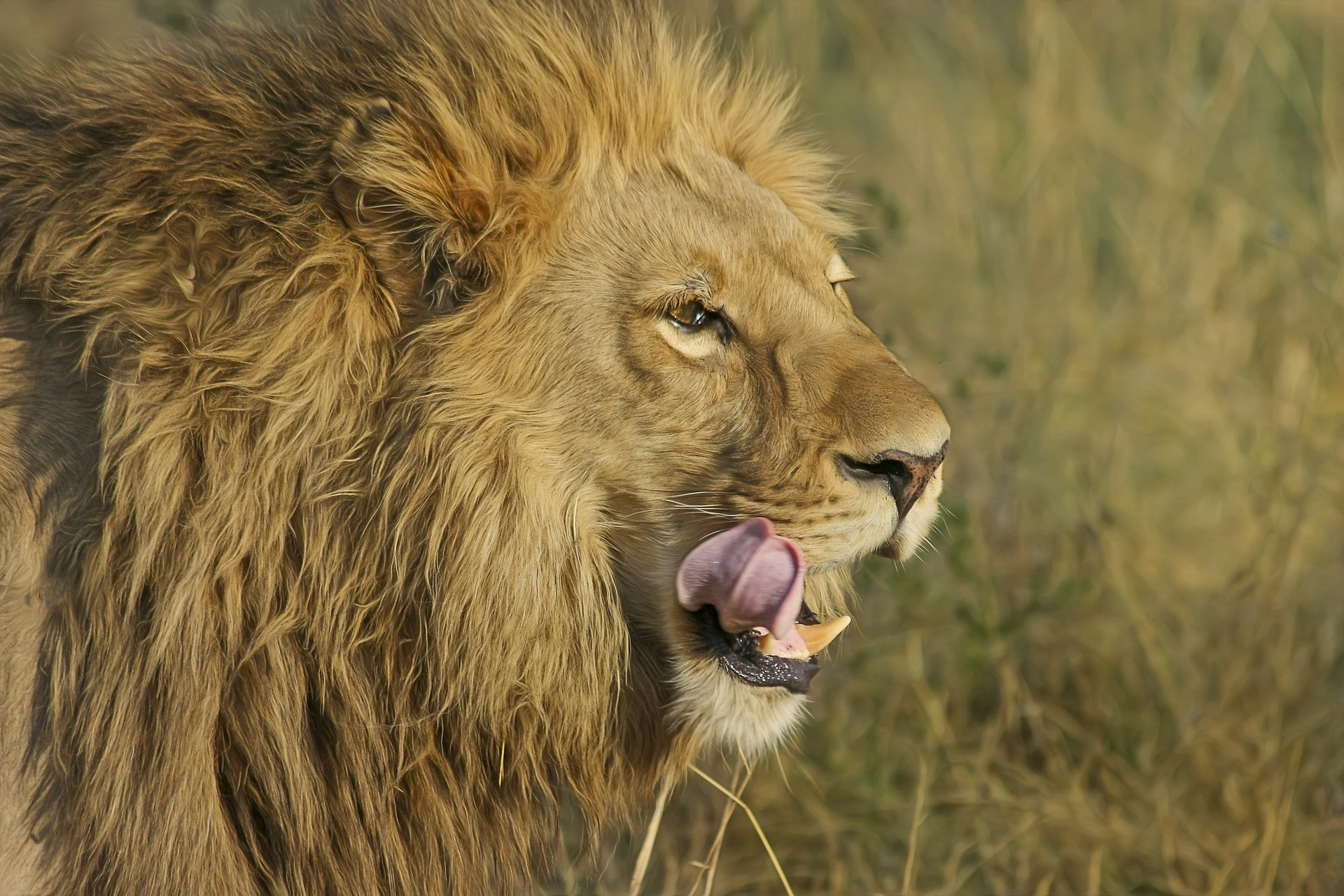
Lion
2
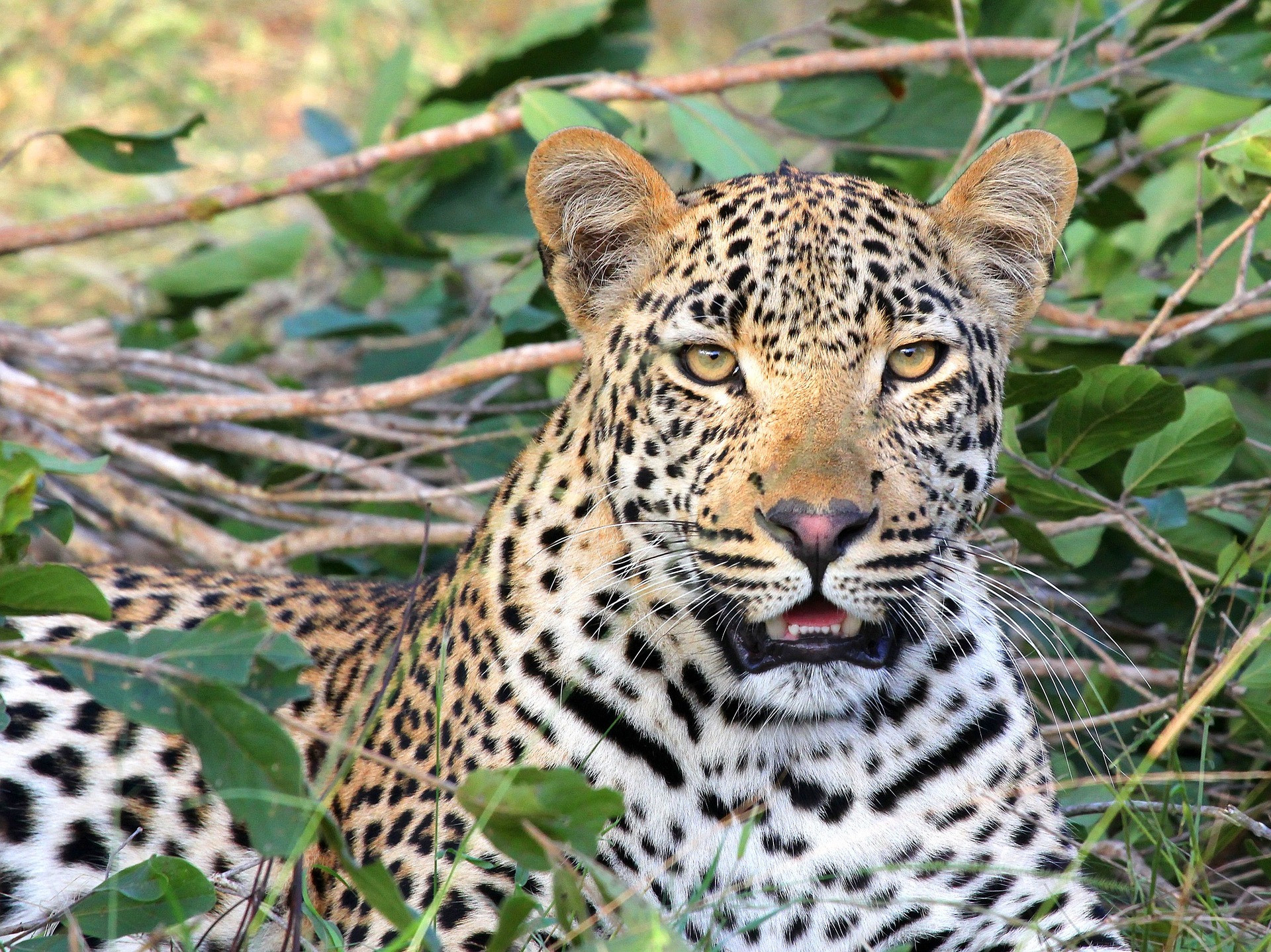
Leopard
2
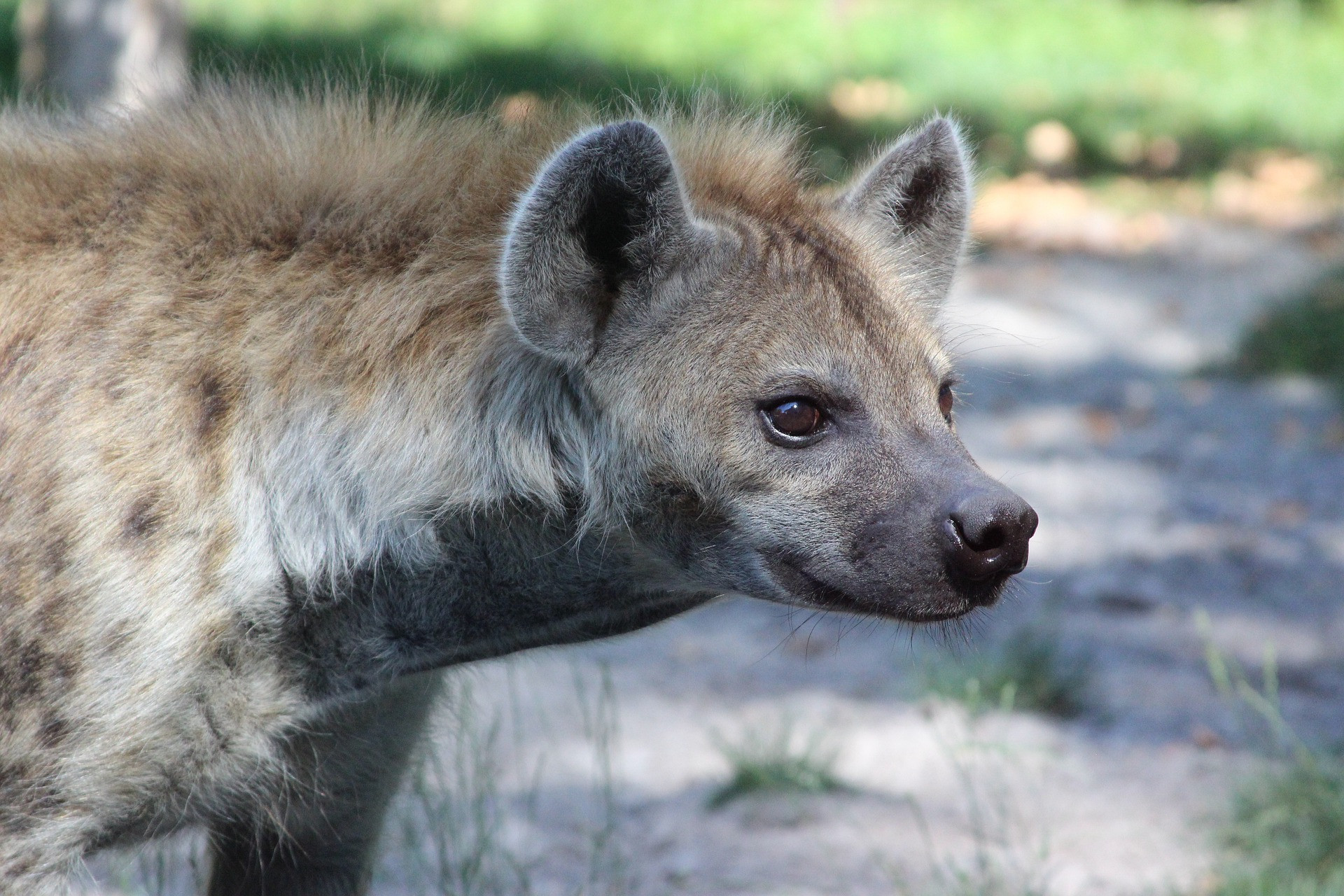
Hyena
3
Wild Dog
1
Own this park or reserve?
Claim it to update its details and photos, add what you offer, reply to travellers and promote it on Wapota. It’s free.
Claim this listing →