Attraction in Namibia
Bahnhof (Railway Station)
About Bahnhof (Railway Station)
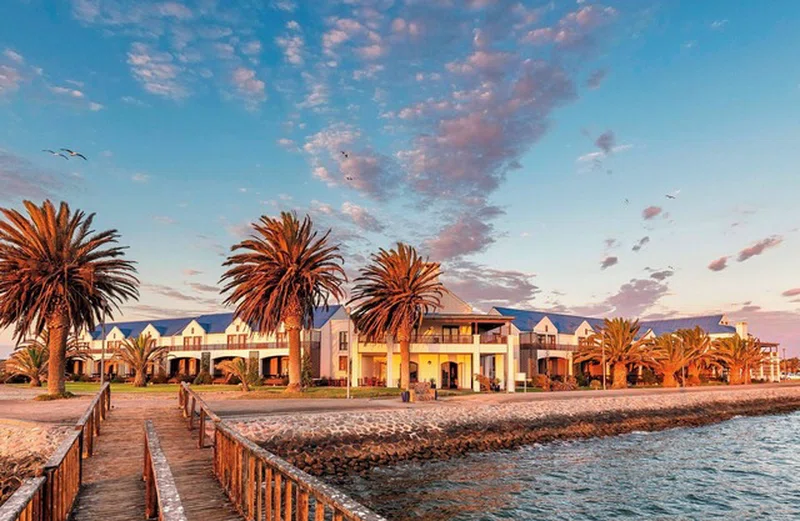
The Swakopmund railway station, located in the coastal town of Swakopmund, Namibia, holds significant historical importance as the starting point of the first state railway line in German South West Africa. Constructed in 1901, the station served as a crucial terminal connecting Swakopmund with the capital, Windhoek. The architectural design of the original station building is attributed to Willi Sander. Over time, the railway line saw an extension to Walvis Bay, completed in 1914, with tracks initially running very close to the Atlantic Ocean shore.
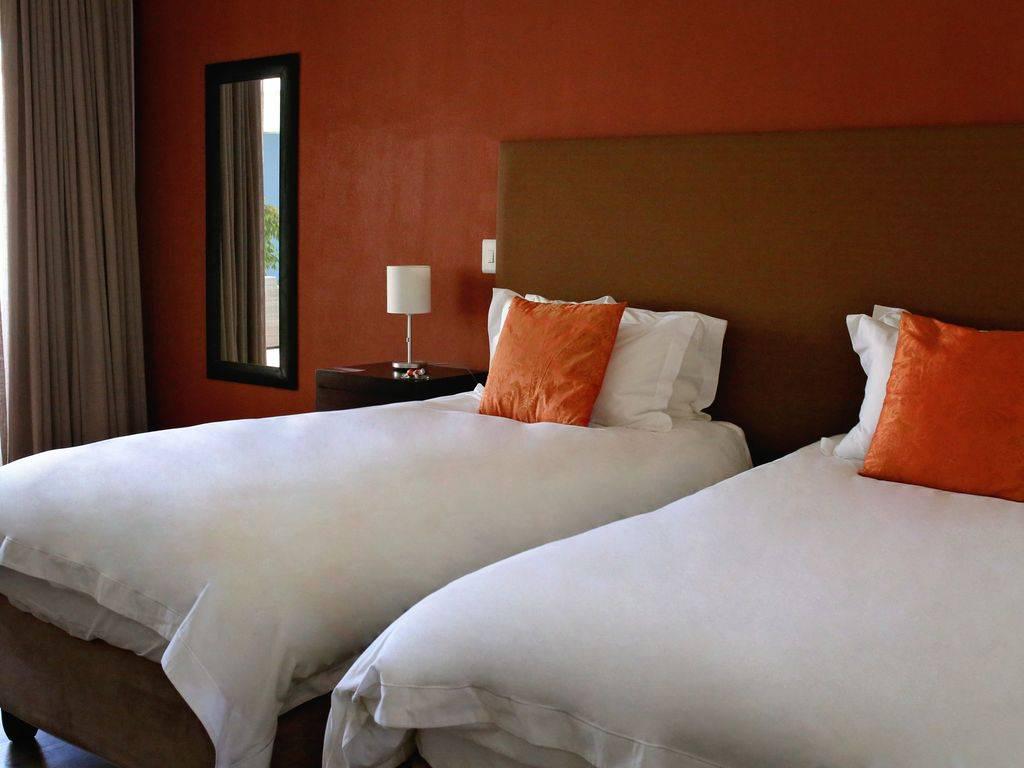
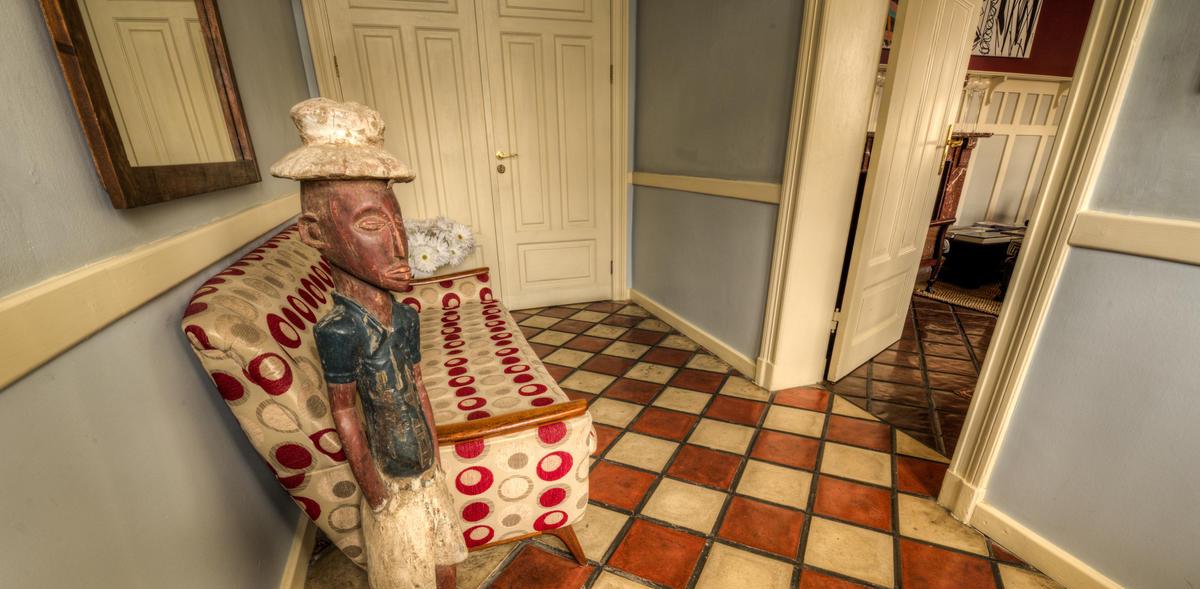
Recognized for its heritage, the original station building was designated a national monument in 1972. In a transformation reflecting its enduring presence in the town, this historic structure now operates as a hotel and casino, adapting its purpose while retaining its architectural legacy. Modern train services in Swakopmund no longer utilize this original building, with current stops situated further inland to the east.
Swakopmund is also home to another notable former railway structure, the Otavi Bahnhof. This building, which was the original station for the private Otavi Mining and Railway Company, was constructed in 1906 and primarily used for the export of copper until 1914. Adjacent to it is the OMEG-Haus, a former goods shed built in 1911, which has also been declared a national monument. Both the Otavi Bahnhof and OMEG-Haus are now under the care of the Scientific Society Swakopmund, with the OMEG-Haus serving as a guest house and the complex housing a museum that details aspects of Namibian transport history. The broader rail network in Namibia, which includes the lines serving Swakopmund, is managed by TransNamib, reflecting a rich history of railway development dating back to the German colonial era.