
Attraction in South Africa
Balule Nature Reserve
About Balule Nature Reserve
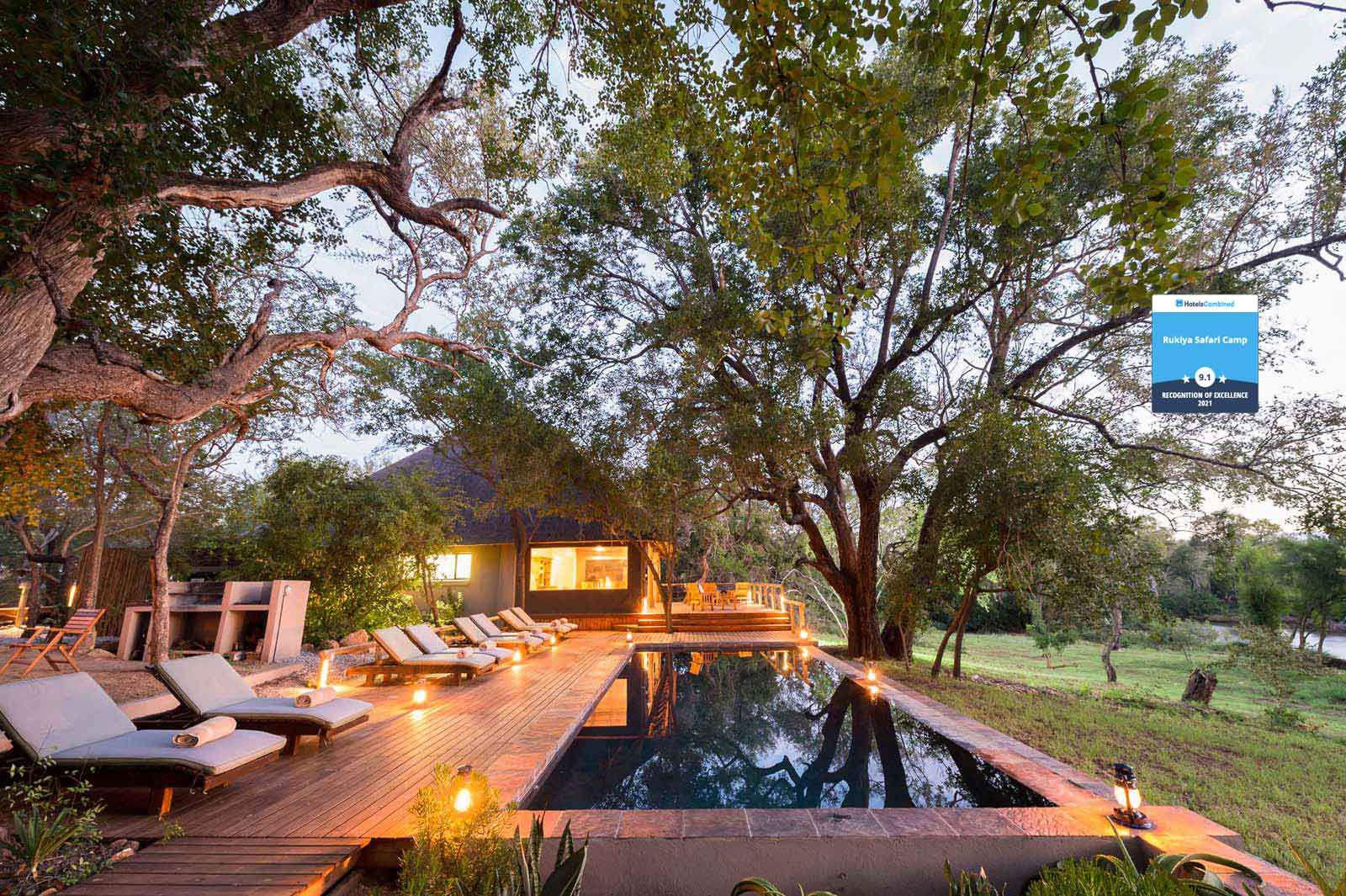
Balule Nature Reserve is a protected area located in the Limpopo Province of South Africa, forming an integral part of the Greater Kruger National Park's unfenced Open System. Situated southwest of Phalaborwa and north of Hoedspruit, the reserve spans approximately 42,000 hectares. It is a member of the Associated Private Nature Reserves (APNR) and a signatory to the Greater Limpopo Transfrontier Conservation Area Cooperative Agreement, emphasizing high standards of wildlife and landscape conservation. The subtropical lowveld terrain features savannah woodland and grassland, with the perennial Olifants River flowing for about 38 kilometers through its heart, attracting diverse wildlife. The reserve also offers views of the Drakensberg Mountains.
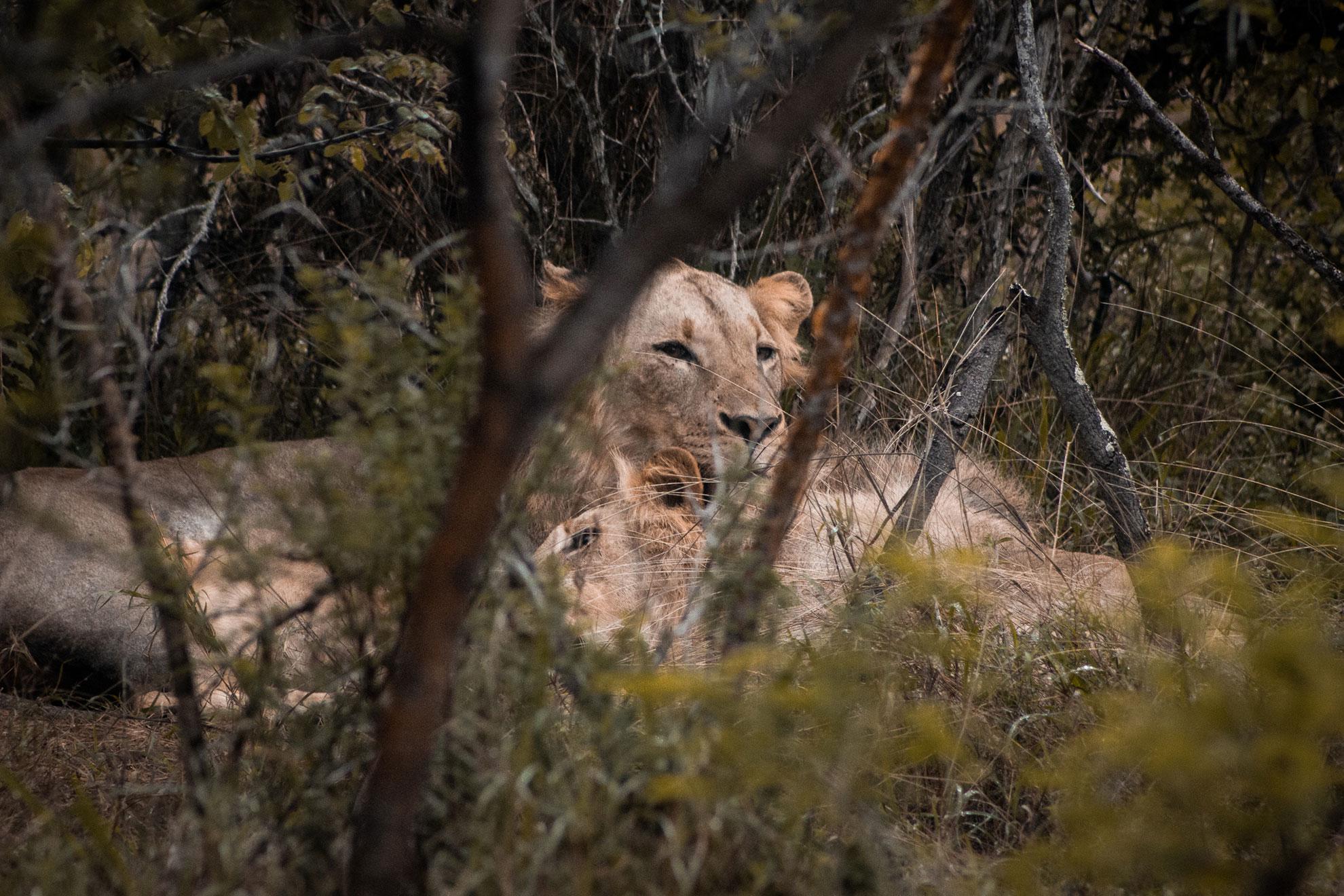
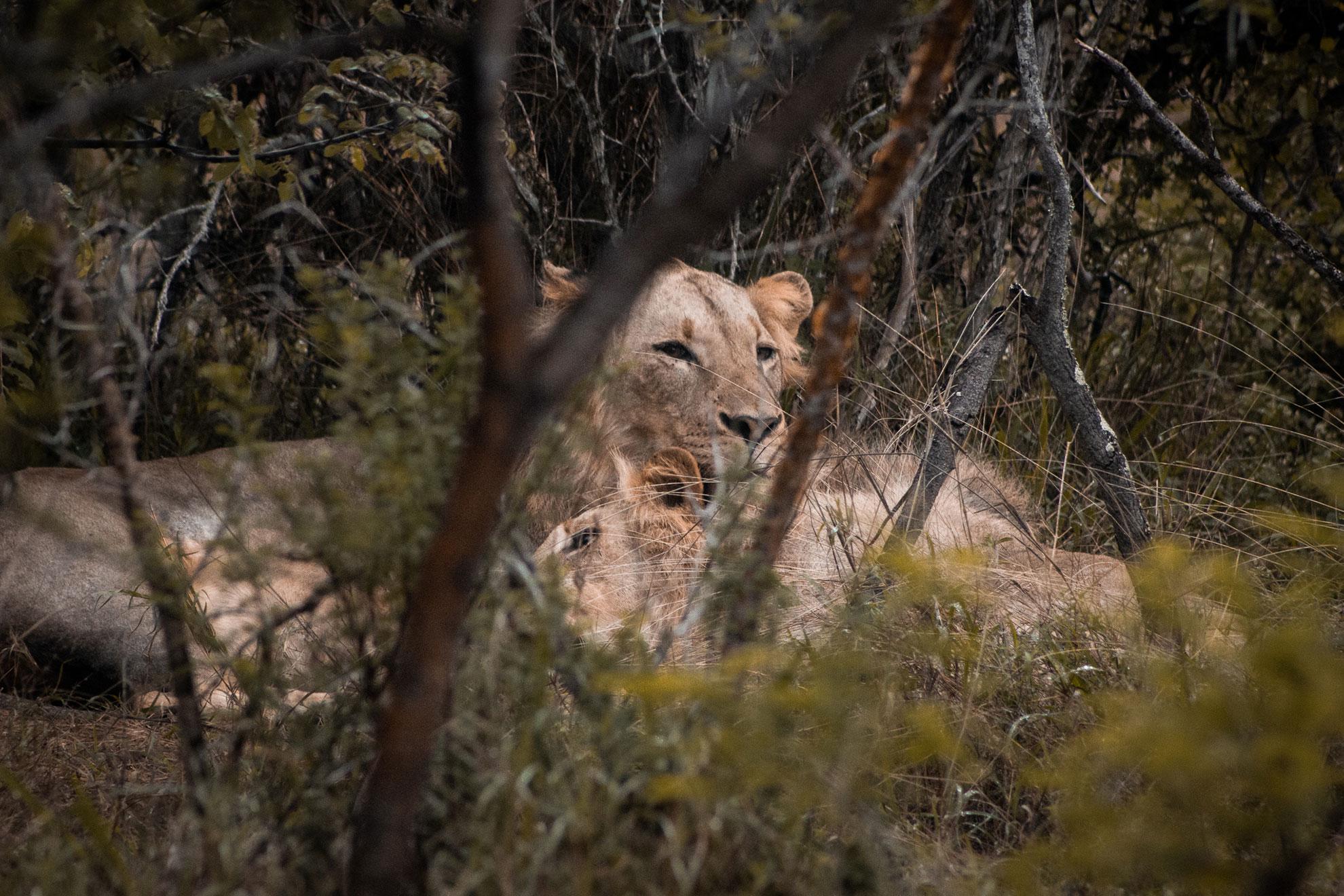
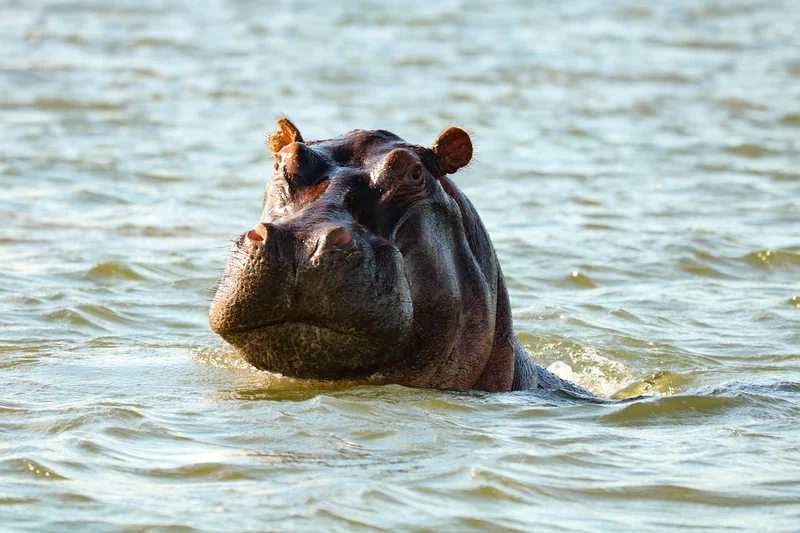
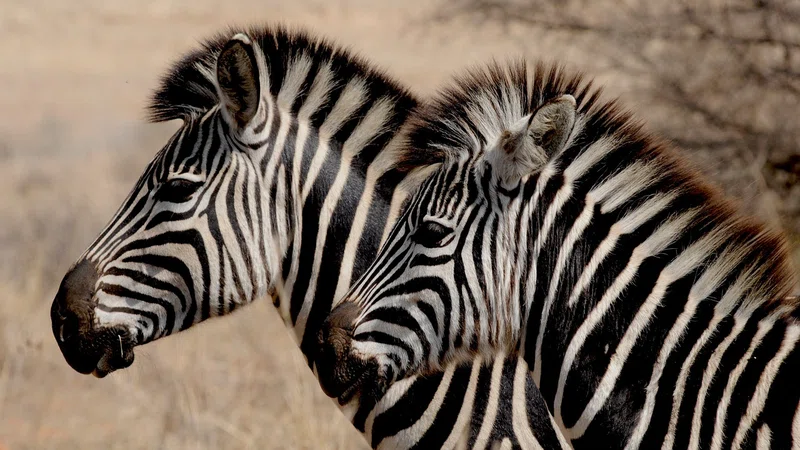
This rich ecosystem supports a wide array of flora and fauna, including over 336 documented tree species such as baobab, fever, knobthorn, marula, and mopane trees. Balule is renowned for being home to the Big Five game animals—lion, leopard, elephant, rhino, and buffalo—along with more than 30 other mammal species like zebra, wildebeest, giraffe, hippos, and Nile crocodiles. The area is also a haven for birdwatchers, with over 220 bird species, including various raptors and larger birds like the kori bustard and ground hornbill. Conservation efforts within Balule include wildlife monitoring, rhino dehorning, alien species eradication, and water resource management to preserve its delicate ecological balance.
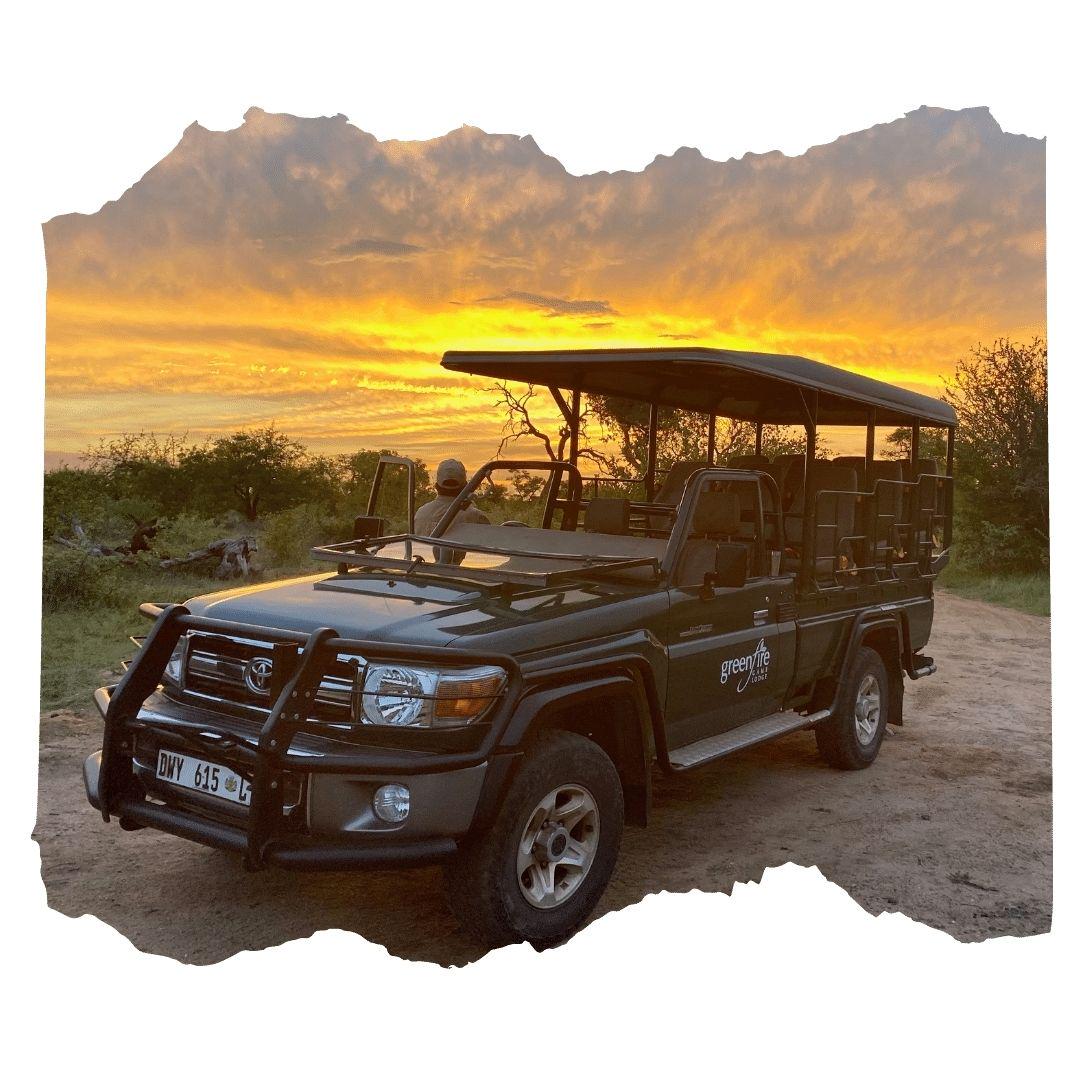
Originally a collection of separate fenced game farms, landowners in the early 1990s began removing internal fences to expand grazing areas and diversify animal gene pools, leading to its incorporation into the Greater Kruger National Park. Today, Balule operates as an eco-tourism destination, offering activities such as open-vehicle game drives, night drives, and bush walks. The reserve is committed to community upliftment in neighboring Hoedspruit and Phalaborwa through initiatives focused on education, economic empowerment, and environmental awareness.
Things to see
Close by

Where to stay
Where to eat


Things to do
5-Day Kubu Safari Lodge Safari

4-Day Ivory Moon Lodge Safari - Fly in from Cape Town
Khamai Reptile Centre
3-Day Kruger - Bundox Explorer Camp
3-Day Luxury Kruger Khaya Ndlovu Safari Manor Tour
6-Day Tremisana Lodge Safari Fly-in from Cape Town
Weather through the year
Average temperatures and rainfall by month
Station: 245s309e · 27 km away · 699m