Attraction in Mozambique
Camões – Centro Cultural Português em Maputo
About Camões – Centro Cultural Português em Maputo
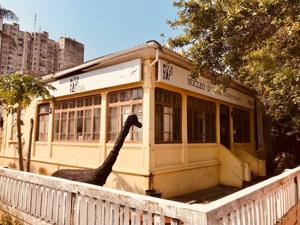
The Camões – Centro Cultural Português em Maputo is a significant cultural institution located in Maputo, Mozambique, established in 1996. Situated within the Portuguese Embassy building on Av. Julius Nyerere, 720, it serves as a hub for promoting Portuguese language and culture. The center features a well-equipped library and a versatile gallery space that functions as a conference room, a venue for project presentations, award ceremonies, and book launches.
The library, which predates the center's inauguration, was founded in 1989 and boasts an extensive collection of approximately 18,000 titles. Its holdings span various fields of knowledge, with a particular emphasis on Portuguese-language literature, law, and management. In 2016, the library underwent significant renovations to enhance its physical reading conditions, improve the visibility of its collection, and introduce a digital catalog for easier access to its resources. Annually, the library caters to an average of 25,000 readers, playing a crucial role in supporting the educational pursuits of high school and university students in Maputo. That same year, an Arts Nucleus was established to facilitate access to information regarding artistic theory and practice across the African continent.
The center's gallery and multipurpose room host a regular schedule of events focused on visual arts and literature, with occasional programming dedicated to architecture and design. It also organizes advanced training courses in collaboration with Mozambican institutions, aiming to deepen understanding of artistic, literary, and scientific productions from both Portugal and Mozambique. A key objective of the Camões – Centro Cultural Português is to create and present original content within its premises, with the potential for these programs to tour both nationally and internationally. Additionally, the center operates a branch in Beira, inaugurated in 1998, which also includes a library with a collection of over 4,000 titles.