Attraction in Egypt
Carter’s House & the Replica Tomb of Tutankhamun
About Carter’s House & the Replica Tomb of Tutankhamun
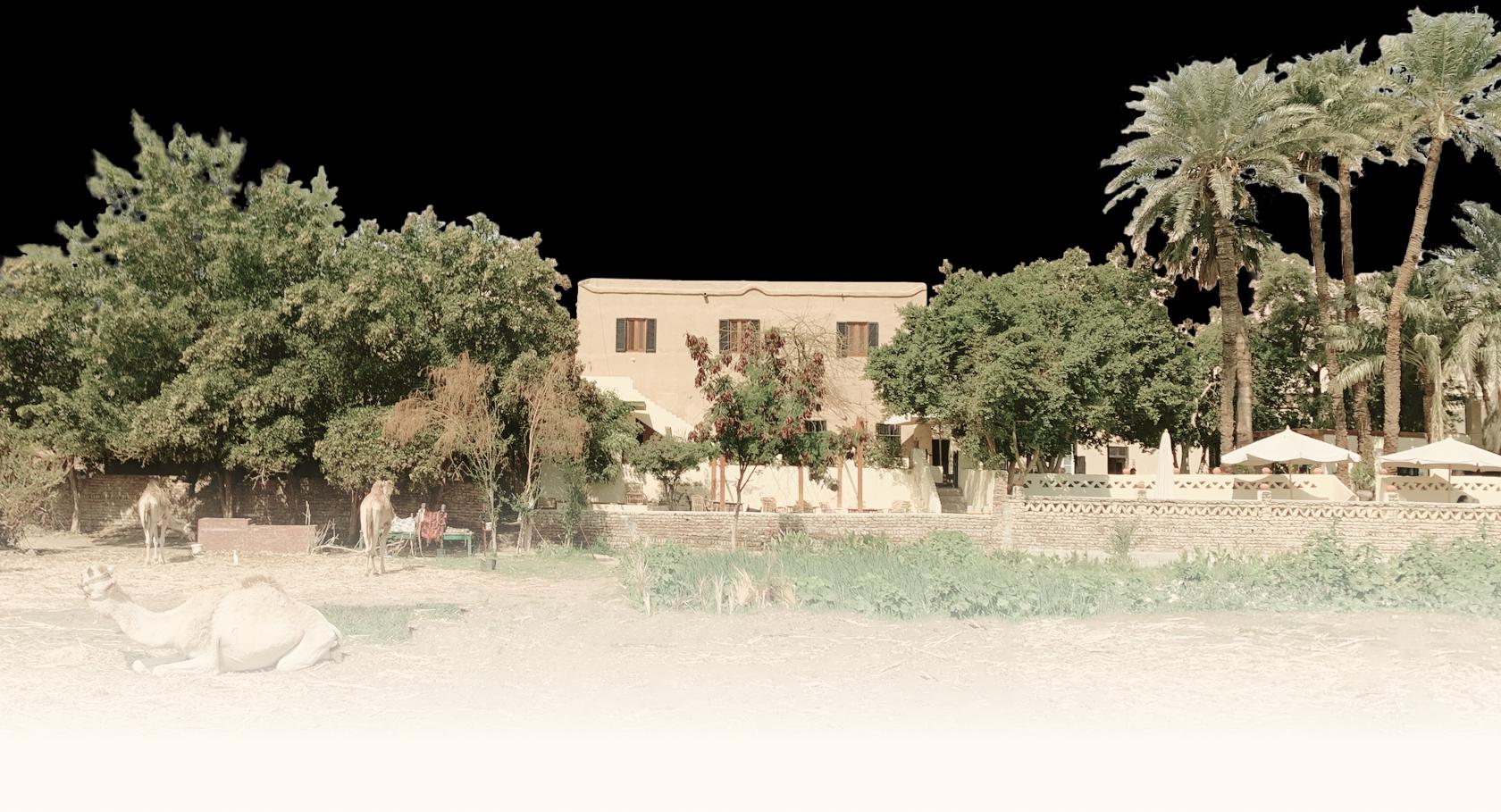
Carter’s House & the Replica Tomb of Tutankhamun is a significant historical site located on the West Bank of Luxor, Egypt, near the Valley of the Kings. Originally built in 1910 by the British archaeologist Howard Carter, this modest mudbrick house served as his home and field office during his extensive excavations in the Theban necropolis. It was from this strategic location, on a hill known locally as Ulwit al-Dibban, that Carter coordinated the monumental discovery of the intact tomb of Pharaoh Tutankhamun in November 1922, a find that captivated the world. He resided here until his death in 1939.
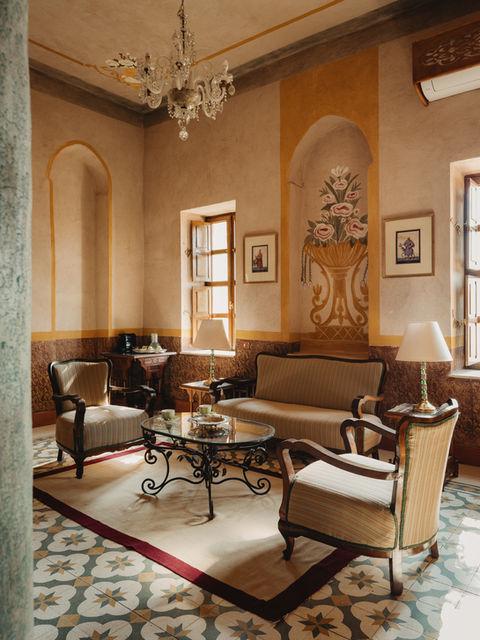
The house, designed with a domed central hall, originally featured two bedrooms, workspaces, a photographic darkroom, and servant quarters. During Carter's time, it lacked modern amenities such as running water, electricity, and a telephone, and was furnished simply with local items, his own artwork, and a small collection of antiquities. In 2009, the house was transformed into a museum, offering visitors a unique glimpse into the daily life and meticulous work of an archaeologist in the early 20th century.
A notable addition to the site is an exact replica of Tutankhamun's burial chamber, installed in the grounds in 2014 by Factum Arte. The house and its gardens underwent further restoration in 2022 to commemorate the centenary of Carter's groundbreaking discovery.