
Ecomusée Berbere
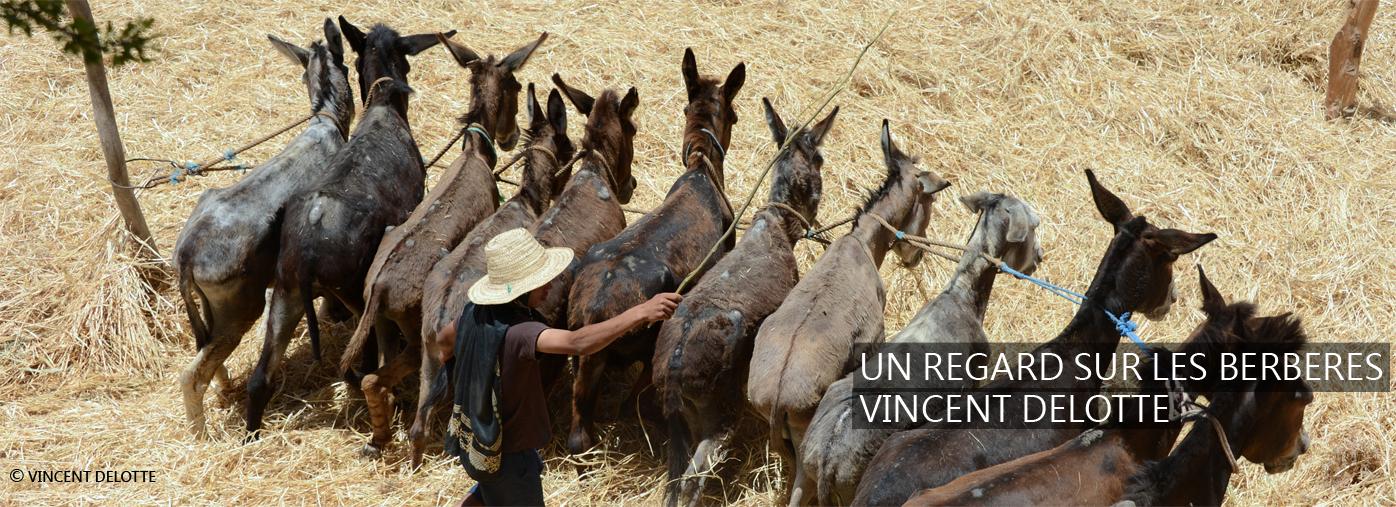
The Ecomusée Berbère de la vallée de l'Ourika is a private cultural institution located in the village of Tafza, approximately 37 kilometers from Marrakech, Morocco, in the Ourika Valley. Established in April 2009 by Hamid Mergani and Patrick Manac'h, it holds the distinction of being the first ecomuseum in Morocco. Its primary mission is to promote a deeper understanding of Berber culture, showcasing the traditional knowledge and way of life of the Amazigh people, both past and present, with a focus on conservation for the future. The museum is a partner of the Maison de la Photographie de Marrakech.
The museum is housed in a traditionally restored building known as "Talberj" or "the tower," constructed between 1910 and 1920 using local materials like pisé (rammed earth) and stone. This architecture reflects the self-sufficient nature of Tafza, a village historically known for its pottery. The building's design and decoration symbolize the Berber home, representing the feminine world of maternity and protection, in contrast to the external world of men. Protective symbols, such as painted designs, stone motifs above doors (often featuring the sun and fibula, a symbol of femininity), are integral to the structure.
The Ecomusée Berbère features a diverse collection that highlights the richness of Berber culture from the High Atlas region. Key exhibits include an extensive collection of pottery, which illustrates the history of food and daily life, featuring items like butter churns, couscous dishes, and milk jugs. The museum also displays a significant collection of Berber carpets and tapestries, which are considered a reflection of women's lives and creativity, often depicting themes of marriage, pregnancy, and birth. Additionally, visitors can explore a range of traditional Berber jewelry, which serves as both festive adornment and a measure of a family's prosperity. The museum also houses a collection of historical photographs, dating from the early days of photography in Morocco to the 1960s, by artists such as Jean Besancenot and Daniel Chicault, capturing landscapes and portraits of the High Atlas. Educational documentaries about the Seksawa Berber tribe are also screened. Beyond its exhibits, the ecomuseum actively engages with the local community of Tafza, offering activities like guided hikes, green circuits, and pottery workshops, aiming to foster connections between villagers and visitors.
Quick Info
Own this place?
Claim it to update its details and photos, add what you offer, reply to travellers and promote it on Wapota. It’s free.
Claim this listing →






Weather & Rainfall Patterns
Station: 314n78w · 24.8 km away · 880m