
Attraction in Tanzania
House of Wonders
About House of Wonders
The House of Wonders, also known as Beit al-Ajaib or Palace of Wonders, is a prominent landmark situated in Stone Town, Zanzibar Town, Tanzania. It stands as the largest and tallest building in Stone Town, overlooking Forodhani Gardens on the seafront along Mizingani Road, positioned between the Old Fort and the Palace Museum. Constructed in 1883 by Sultan Barghash bin Said, the second Sultan of Zanzibar, it served as a ceremonial palace and official reception hall. The building earned its name, "House of Wonders," because it was the first in Zanzibar to have electricity and the first in East Africa to feature an elevator, symbolizing modernity at the time. Its design, attributed to a British marine engineer, introduced new architectural elements to Zanzibar, including expansive external verandas supported by cast-iron columns, allowing for notably high ceilings. The construction utilized a blend of coral rag, concrete slabs, mangrove shoots, and steel beams.
Historically, the palace was connected to adjacent royal residences, Beit al-Hukum and Beit al-Sahel, by covered passages, enabling royal ladies to move discreetly. The interior boasted fine marble floors and intricately carved doors with Quranic inscriptions. The Sultan reportedly kept wild animals chained for display in front of the building, and the main door was wide enough for him to ride an elephant through. The building sustained minor damage during the Anglo-Zanzibar War in 1896, after which a new clock tower was integrated into its facade during 1897 reconstruction. Over the years, it transitioned from a sultan's residence to government offices, then a school, and eventually a museum.
The House of Wonders formerly housed the Museum of History and Culture of Zanzibar and the Swahili Coast, which opened in the early 2000s. Exhibits covered various aspects of Swahili and Zanzibari culture, including traditional fishing tools, ships like the mtepe (a traditional Swahili boat), ceremonial kangas, portraits of sultans, and furniture from royal palaces. It also displayed an old car belonging to President Abeid Karume and two 16th-century Portuguese bronze cannons at its entrance. However, the building has faced significant structural challenges, including partial collapses in 2012, 2015, and a major facade collapse in December 2020, leading to its closure for extensive renovations. The museum's collections have since been moved to another location. Despite its current state of disrepair and ongoing restoration efforts, the House of Wonders remains a symbol of Zanzibar's rich history and cultural heritage.
Things to see
Close by

Where to stay

Where to eat



Things to do
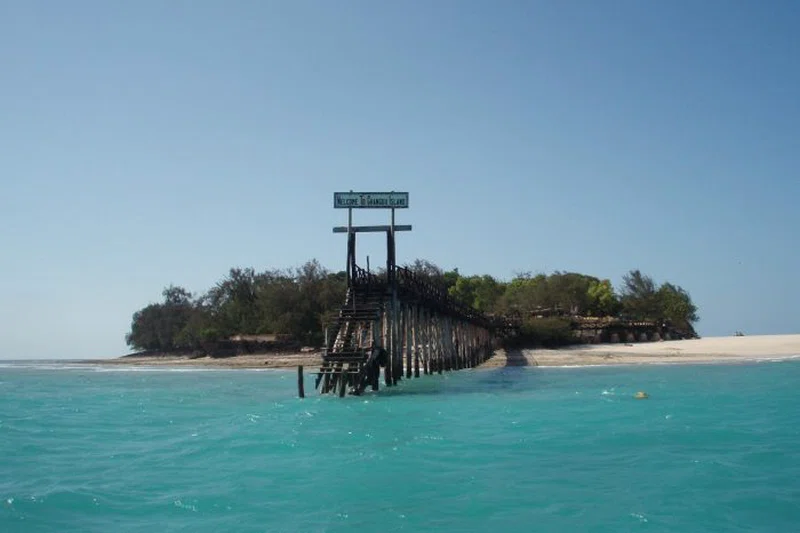
The Old Fort
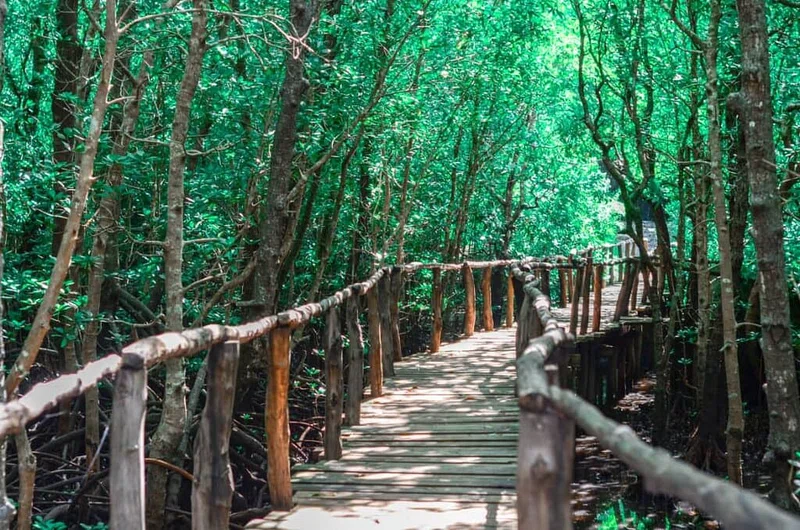
Kidichi Persian Baths

Livingstone's House

Christ Church
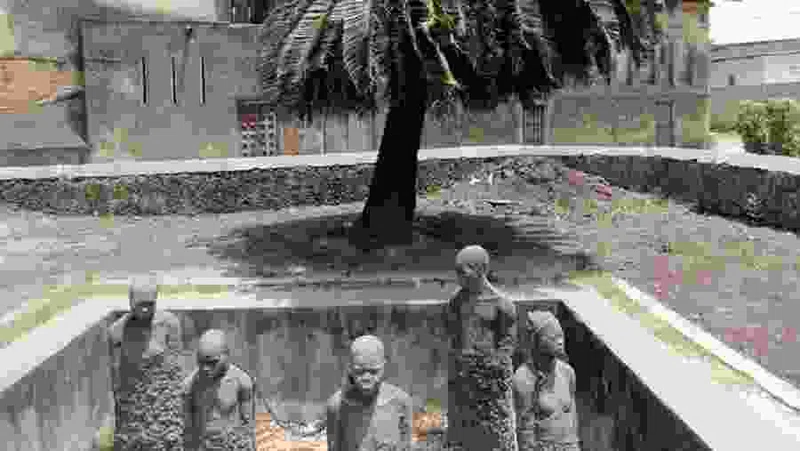
Christ Church Anglican Cathedral (Former Slave Market in Zanzibar)
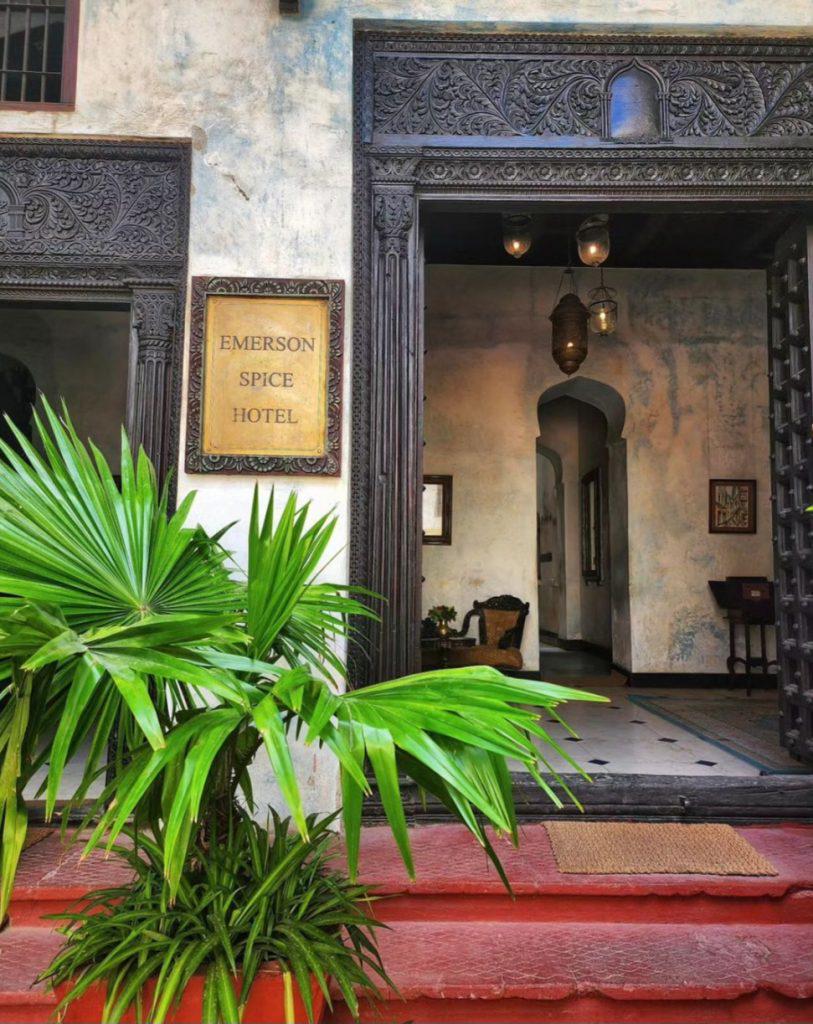
Stone Town City Tour
Weather through the year
Average temperatures and rainfall by month
Station: 58s388e · 27.6 km away · 89m