Attraction in South Africa
Huguenot Monument
About Huguenot Monument
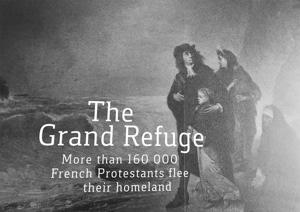
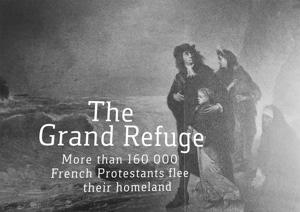
The Huguenot Monument is a significant historical landmark situated in Franschhoek, Western Cape, South Africa, a region renowned as the "French corner" within the picturesque Cape Winelands. This monument commemorates the French Huguenots who sought refuge and settled in the Cape Colony during the 17th and 18th centuries, having fled severe religious persecution in their native France. The monument, designed by the Dutch immigrant architect J.C. Jongens, was completed in 1945 and officially inaugurated on April 17, 1948.
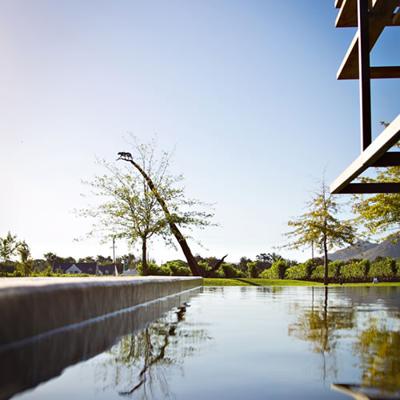
The monument's design is deeply symbolic, featuring three towering arches that represent the Holy Trinity, surmounted by the sun of righteousness and the Huguenot cross. A central female figure, sculpted by Coert Steynberg, embodies religious freedom, holding a Bible in one hand and a broken chain in the other, signifying liberation from oppression. Her stance on a globe symbolizes spiritual freedom, with the fleur-de-lis on her attire denoting noble spirit and French heritage. The base of the globe displays symbols representing the Huguenots' contributions: a Bible for their faith, a harp for their arts and culture, a sheaf of corn and a grapevine for their agricultural and viticultural expertise, and a spinning wheel for their industry. A tranquil reflecting pool in front of the monument further conveys the peace and spiritual solace the refugees found in South Africa.
Adjacent to the monument is the Huguenot Memorial Museum, which provides a comprehensive exploration of the French Huguenots' history, their arduous journey, and their profound influence on the region, particularly in the development of viticulture and winemaking. The museum complex also incorporates the First South African Perfume Museum and a wild flower garden, offering visitors a multifaceted experience that delves into the Huguenots' story within the broader context of global refugee movements and their enduring legacy in South Africa.