
Attraction in Tanzania
Iraqw Village
About Iraqw Village
The Iraqw people are an agro-pastoral ethnic group primarily inhabiting the Mbulu Plateau in north-central Tanzania, specifically within the Manyara and Arusha regions, including districts such as Mbulu, Babati, Hanang, and Karatu. Their traditional homeland is often referred to as Iraqw'ar Da'aw (or Mama Issara) in the Mbulu Highlands. The topography of this area is diverse, ranging from mountainous highlands reaching approximately 2,000 meters to lower-lying savannah regions at about 1,000 meters. The climate features a rainy season from November to April, with average annual rainfall varying between 60-90 centimeters in higher elevations and 30-60 centimeters in the lower southwestern parts. The Iraqw population in Tanzania is estimated to be around 1,059,000 individuals.
Historically, the Iraqw are believed to be descendants of Afro-Asiatic agriculturalists who practiced intensive farming and irrigation in the Great Lakes region. They are associated with the builders of the ancient Engaruka complex, a sophisticated system of stone-walled canals and furrows that mirrors their current agricultural practices. Oral traditions suggest a migration southward along the Rift Valley, potentially originating from Ethiopia and northern Kenya. The Iraqw were among the first tribes to settle in the Ngorongoro area before being displaced by the Maasai and Datoga. Their settlements, which were historically dispersed, were consolidated into eighty-six villages in Mbulu District after 1974. These villages typically consist of households engaged in crop production and livestock keeping. Maize is the staple crop, supplemented by beans, sorghum, and millet, with cash crops including wheat, onions, and garlic. Traditional houses are often round, grass-thatched, and mud-plastered, with some subterranean houses historically built for defense.
The Iraqw language belongs to the South Cushitic branch of the Afro-Asiatic family, and many also speak Swahili, the national language of Tanzania. While Christianity is the predominant religion, traditional beliefs, including ancestral reverence and nature spirits, still influence daily life, especially in rural areas. The Mbulu District, where many Iraqw reside, has a rapidly growing population, with Mbulu town serving as an administrative, educational, health, and economic center. The Sandemu Iraqw Art and Culture Promoters Centre, located near Karatu, serves as a cultural hub, promoting and preserving Iraqw culture through displays of traditional artifacts and performances.
Things to see
Close by

Where to stay
Where to eat
Things to do
Lake Manyara National Park Day Trip

1-Day Lake Manyara Sharing Safari
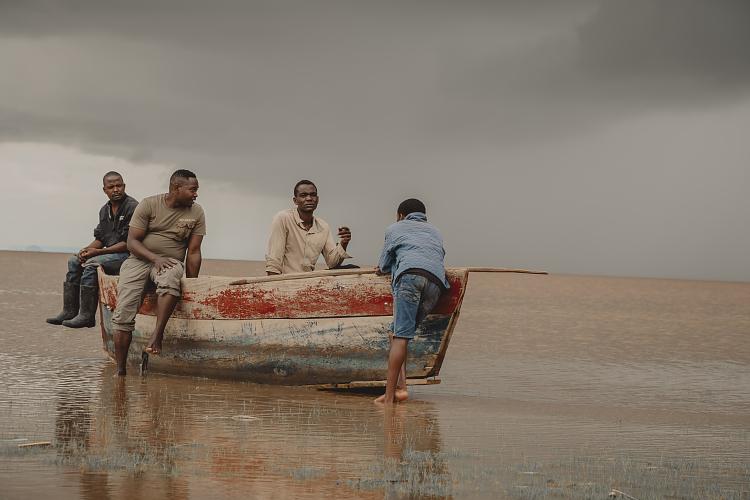
Canoeing Lake Manyara (Manyara National Park)
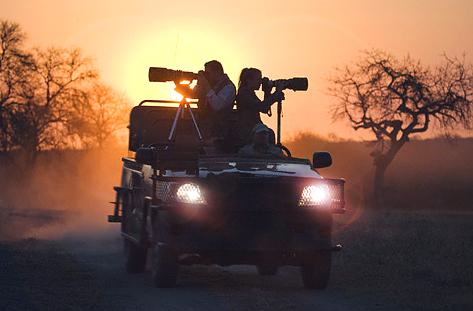
Lake Manyara Night Game Drive
Weather through the year
Average temperatures and rainfall by month
Station: 39s353e · 16.8 km away · 1733m