Attraction in South Africa
iSimangaliso Wetland Park
About iSimangaliso Wetland Park
iSimangaliso Wetland Park, South Africa's first World Heritage Site, is located on the east coast of KwaZulu-Natal, approximately 235 kilometers north of Durban. This expansive protected area stretches 280 kilometers along the coastline, from the Mozambican border in the north to Mapelane in the south, encompassing about 3,280 square kilometers of diverse natural ecosystems. The name "iSimangaliso" translates to "a miracle" or "something wondrous" in Zulu, aptly describing its extraordinary natural beauty and ecological significance.
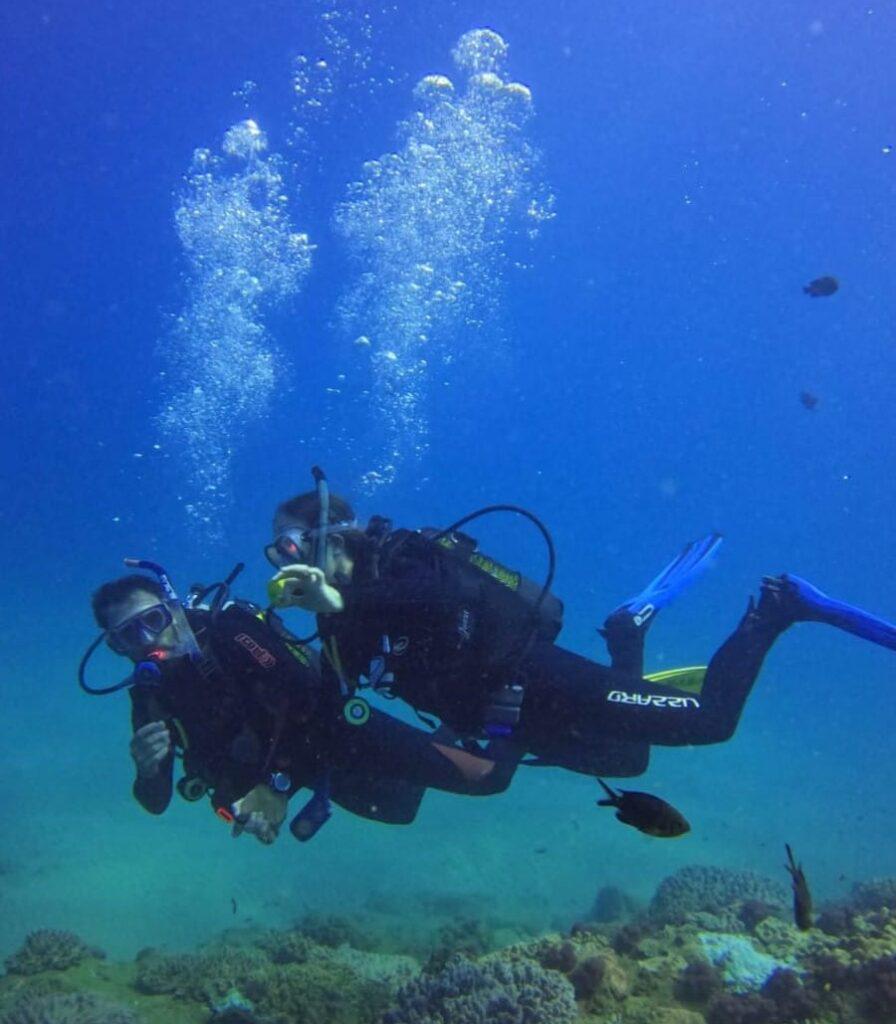
The park is a mosaic of eight interlinking ecosystems and ten distinct destinations, offering an astonishing variety of habitats. These include the Ubombo Mountains, grasslands, forests, wetlands, mangroves, ancient coastal dunes (some of the world's highest and 25,000 years old), pristine beaches, and vibrant coral reefs. It is home to three major lake systems, including Africa's largest estuarine system, Lake St. Lucia, which is 80 kilometers long, and Lake Sibaya, South Africa's largest freshwater lake. Four of its wetland sites are recognized as Ramsar sites of international importance. The park also incorporates South Africa's largest marine protected area, which extends into Mozambique's waters.
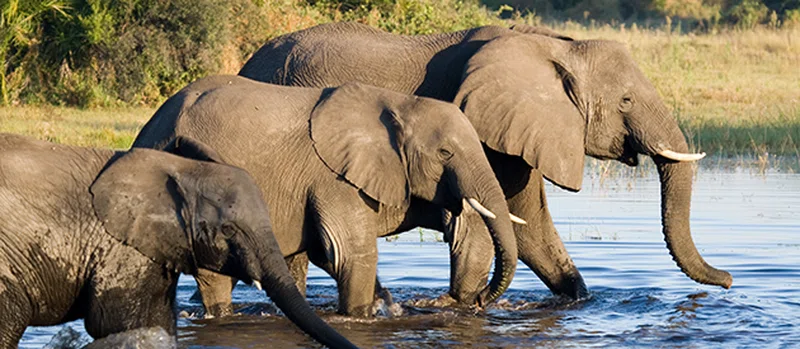
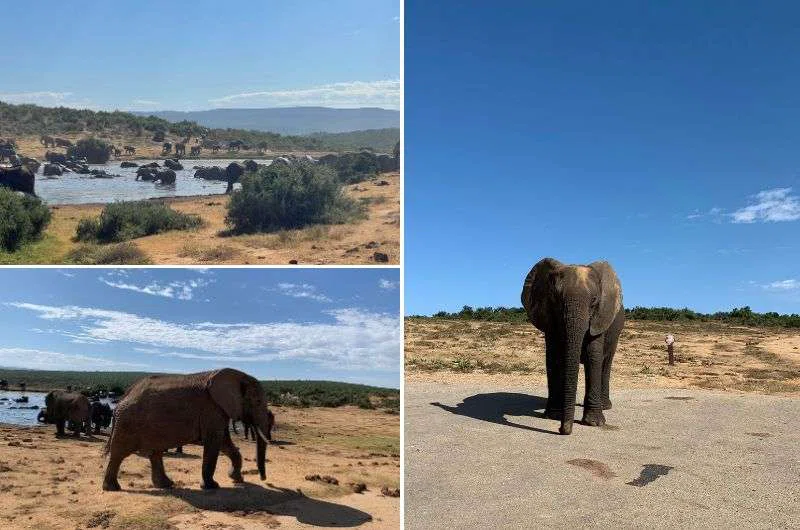
iSimangaliso Wetland Park boasts exceptional biodiversity, supporting over 6,500 plant and animal species, including more than 500 bird species. It is a habitat for a wide array of wildlife, such as elephants, leopards, black and southern white rhinos, and Cape buffalo. The park is particularly renowned for its large populations of hippopotami and crocodiles. Its marine environments are crucial for whales, dolphins, and nesting loggerhead and leatherback turtles. Activities available to visitors include game drives, boat cruises, hiking, kayaking, fishing, bird watching, whale watching, and turtle tours. The area has a rich human history, with evidence of habitation dating back to the Later Stone Age and Iron Age, and traditional Tsonga fishing practices still observed in Kosi Bay.