
Ivory-burning Site
The Ivory Burning Site is a significant conservation landmark situated within Nairobi National Park, Kenya, located near the main Langata Road gate and Nagolomon Reservoir. This site stands as a powerful testament to Kenya's unwavering dedication to combating the illegal trade of wildlife products, particularly ivory and rhino horn. It commemorates several historic events where confiscated wildlife contraband was publicly destroyed, sending a clear message that the true value of ivory lies solely with living animals.
The first major ivory burn took place on July 18, 1989, when then-President Daniel arap Moi, acting on the advice of conservationist Dr. Richard Leakey, set ablaze 12 tons of elephant tusks. This symbolic act, representing approximately 2,000 elephants, was a critical response to the severe poaching crisis that had drastically reduced Kenya's elephant population. This pivotal event played a crucial role in the international ban on the ivory trade, which was subsequently enacted by CITES in 1990. Subsequent burns have reinforced this powerful message, including the largest destruction in history on April 30, 2016, when President Uhuru Kenyatta oversaw the incineration of 105 tons of ivory and 1.35 tons of rhino horn, estimated to be from 8,000 elephants and 343 rhinos.
Today, the site features a monument, the ashes from these historic burns, and informative signage that details its historical and conservation significance. It has also been developed into a picnic area, complete with benches and restrooms, offering visitors a space for reflection and panoramic views of the surrounding savannah and the distant Nairobi skyline. Beyond its symbolic importance, the Ivory Burning Site actively serves as a center for conservation education, raising awareness about the threats of poaching and supporting ongoing wildlife protection programs within Nairobi National Park. Visitors can engage in activities such as picnicking, bird watching, and game viewing, making it an interpretive stop that connects the park's diverse wildlife to Kenya's broader anti-poaching legacy. The site is accessible throughout the year, with early morning and late afternoon visits recommended for optimal lighting and increased wildlife activity.
Quick Info
Own this place?
Claim it to update its details and photos, add what you offer, reply to travellers and promote it on Wapota. It’s free.
Claim this listing →





Bomas of Kenya
0.0 km away
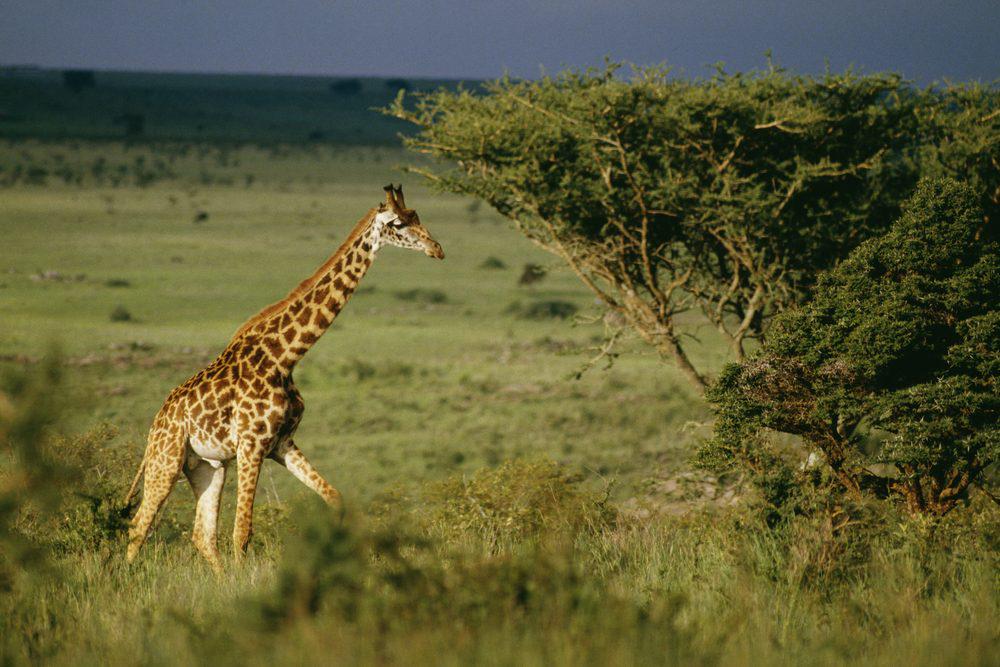
Nairobi National Park Tour
0.0 km away
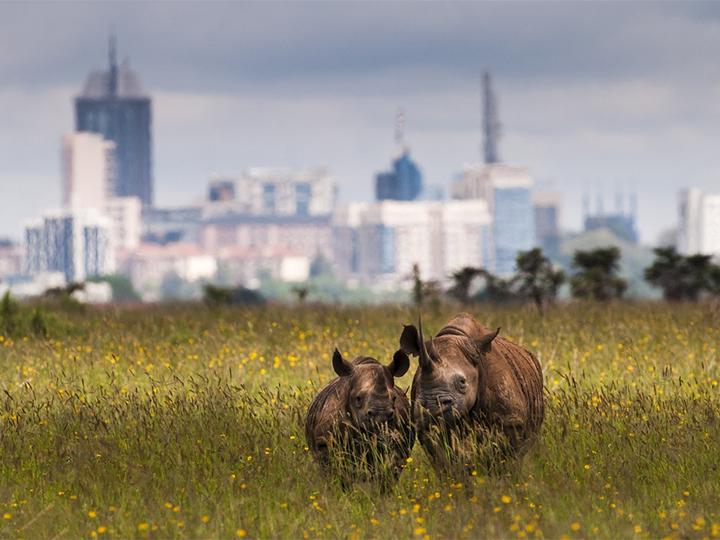
Nairobi National Park 1 Day Tour
0.0 km away
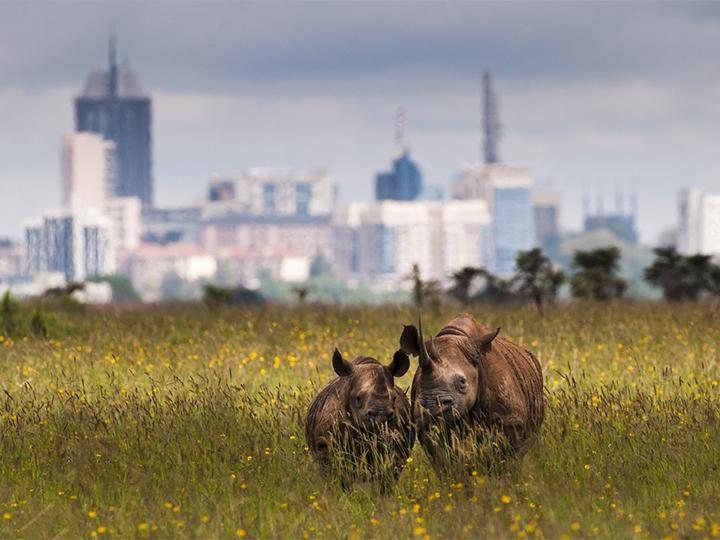
Nairobi National Park 1 Day Tour
0.0 km away
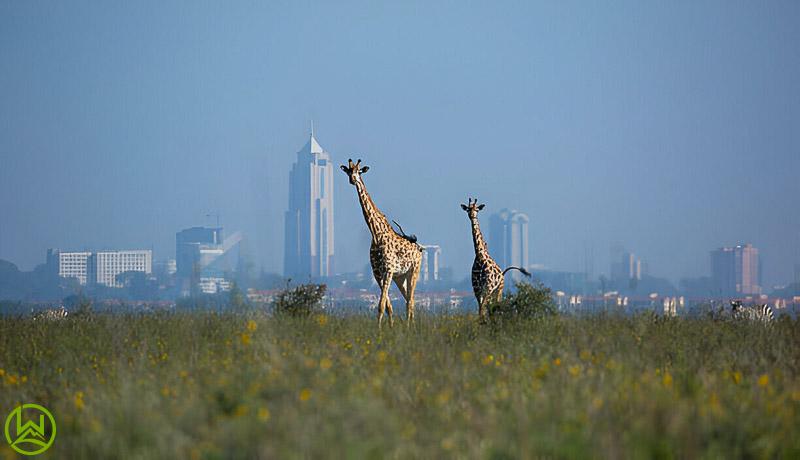
Nairobi National Park Morning Game Drive Safari
0.0 km away
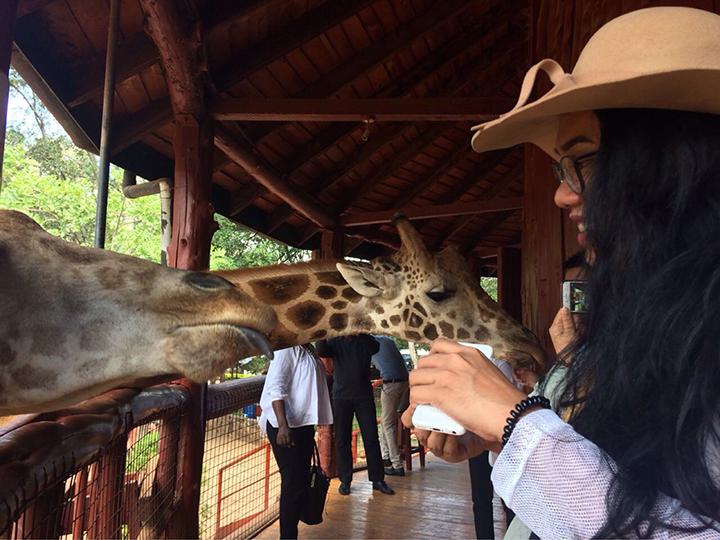
Giraffe Center Day Tour
0.0 km away
Weather & Rainfall Patterns
Station: 14s369e · 29.2 km away · 1627m