

Kaole Ruins
Kaole Ruins is a significant national historic site situated in the Bagamoyo District of Tanzania's Pwani Region along the Indian Ocean coast. These ancient Swahili coral stone ruins offer a glimpse into a prosperous trading town that flourished between the 13th and 16th centuries, though the settlement itself dates back to the 8th century. The site is managed by the Antiquities Division of the Ministry of Natural Resources and Tourism, underscoring its importance in preserving Tanzania's cultural heritage.
The ruins encompass the remnants of two mosques, one of which, built in the 13th century, is considered among the oldest in East Africa, alongside another from the 15th century. Visitors can also explore numerous Shirazi-style pillared tombs, numbering between 22 and 30, some of which are believed to be the burial sites of local rulers known as "Diwanis" and other prominent Sheikhs. Archaeological findings at Kaole, including fragments of Chinese ceramics, provide tangible evidence of the extensive ancient commercial relationships that once connected this coastal settlement to distant lands. A small museum on site displays some of these artifacts, enhancing the visitor's understanding of the area's rich history.
The town's prosperity as a trading hub, dealing in items such as mangrove poles, sandalwood, ebony, and ivory, eventually waned with the arrival of the Portuguese in the 15th century. The name "Kaole" itself, derived from the Zaramo language, means "go and see," inviting exploration of this historically rich location. The site was first formally studied by British archaeologist Neville Chittick around 1958, bringing its significance to wider academic attention.
Quick Info
Own this place?
Claim it to update its details and photos, add what you offer, reply to travellers and promote it on Wapota. It’s free.
Claim this listing →




Historical Tour of Bagamoyo
0.0 km away
Saadani National Park Tour
0.0 km away
Livingstone's House
0.0 km away
The Old Fort
0.0 km away
Kidichi Persian Baths
0.0 km away
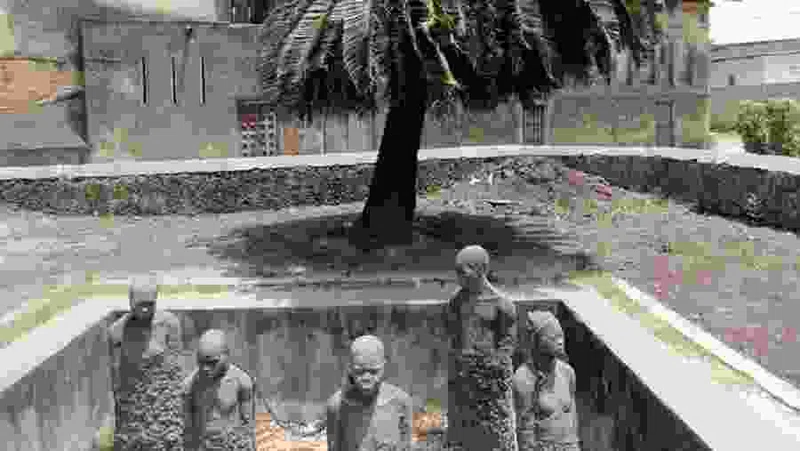
Christ Church Anglican Cathedral (Former Slave Market in Zanzibar)
0.0 km away
Weather & Rainfall Patterns
Station: 64s388e · 7.1 km away · 55m