
Experience in Tanzania
Kidichi Persian Baths
About Kidichi Persian Baths
Kidichi Persian Baths, located approximately 11-12 kilometers northeast of Stone Town on Zanzibar Island, are a significant historical monument reflecting the island's rich multicultural past. Constructed in 1850 by Sultan Seyyid Said, these private baths were a lavish gift for his Persian wife, Princess Sheherazade, who was the granddaughter of the Shah of Persia, Fatah Ali. The baths served as a sanctuary for the royal family, offering a place for refreshment and ritual after activities like hunting, and were exclusively reserved for their use, symbolizing regal indulgence and a unique cross-cultural connection between Omani and Persian influences.
The architecture of the Kidichi Persian Baths is a testament to classical Persian design, featuring intricate ornamental stucco work, domed ceilings, and thick stone walls. The complex includes a series of domed bathhouses with deep stone baths, massive seats, a changing room, a circular steam chamber, a cooling pool, and a mysterious "whisper room" where sound travels through curved walls. An ingenious plumbing system once supplied hot and cold water to the various rooms and a large rectangular pool. Historically, the domed ceilings featured a circle of small stained-glass windows that cast colored light patterns over the white walls. Persian poetry is also inscribed within the baths.
While no longer operational as baths, the site remains remarkably preserved, offering visitors a rare glimpse into the opulence of Zanzibar's Sultanate era. Although some areas show signs of poor maintenance, such as mould on the stucco and a bat colony, much of the original carving and architectural detail can still be appreciated. The Kidichi Persian Baths are often visited as part of a spice tour, given their location amidst Zanzibar's famous spice plantations. The site is open daily from sunrise to sunset, with entry typically requiring a small donation or tip to a local caretaker. The baths are currently part of a major heritage restoration initiative backed by a $12 million public-private investment, aiming to strengthen cultural preservation and enhance global tourism appeal.
Things to see
Close by

Where to stay


Where to eat



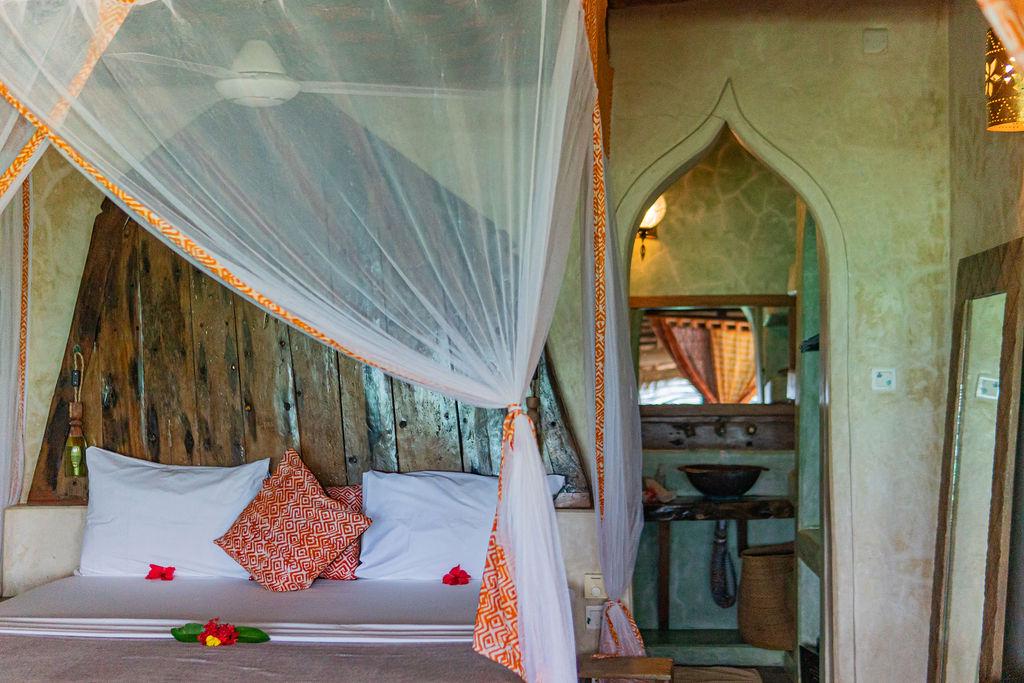
Things to do
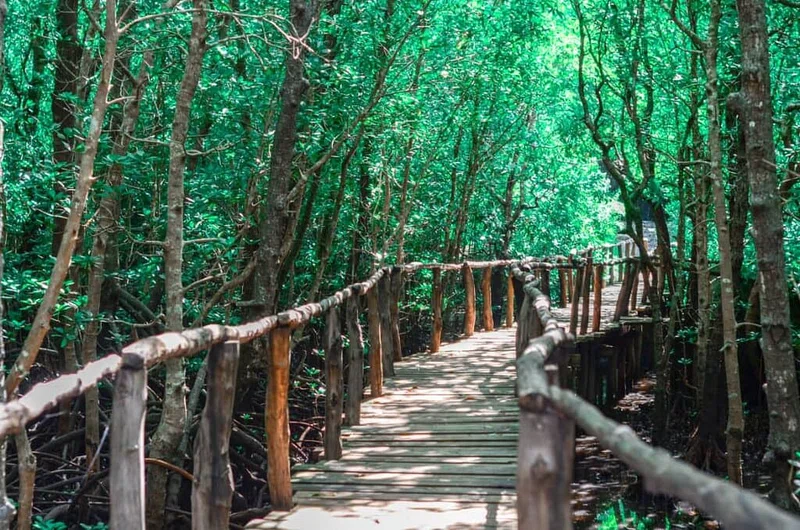
Kidichi Persian Baths

Christ Church
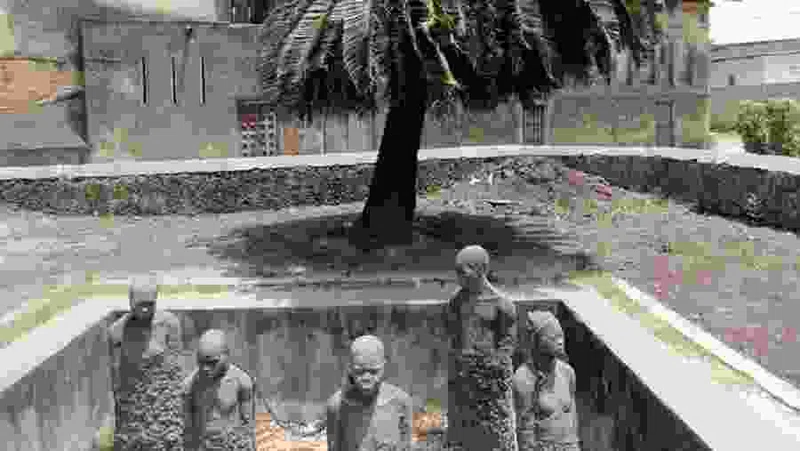
Christ Church Anglican Cathedral (Former Slave Market in Zanzibar)
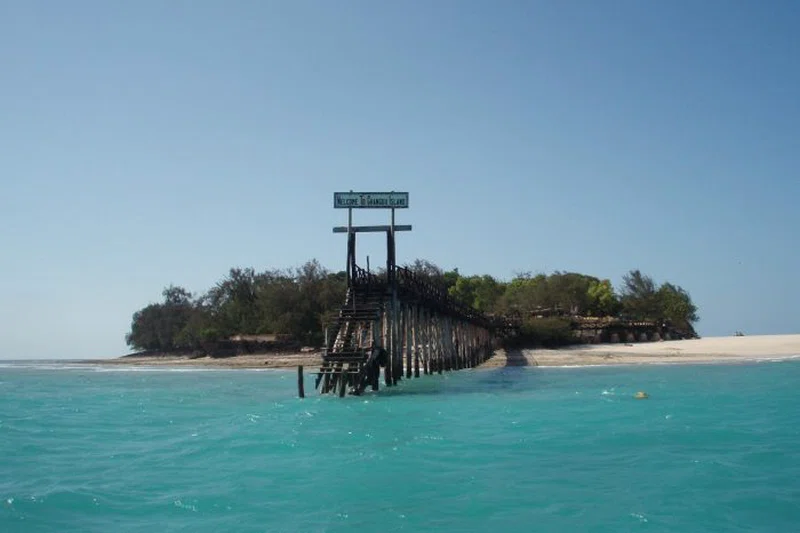
The Old Fort
Livingstone's House
Stone Town City Tour
Weather through the year
Average temperatures and rainfall by month
Station: 58s388e · 27.8 km away · 89m