Experience in Tanzania
Kondoa Rock-Art Sites
About Kondoa Rock-Art Sites
Kondoa-Irangi, officially recognized as the Kondoa Rock-Art Sites, is a UNESCO World Heritage Site located in central Tanzania. Situated on the steep eastern slopes of the Masai escarpment, which borders the Great Rift Valley, these significant cultural heritage sites are found between the Irangi Hills and Singida, near the villages of Kondoa Irangi and Kolo in the Dodoma Region. The precise location is approximately 9 kilometers east of the main highway connecting Dodoma to Babati, and about 20 km north of Kondoa town. The area's distinctive landscape features large piled granite boulders that form numerous natural rock shelters, which served as canvases for ancient artists.
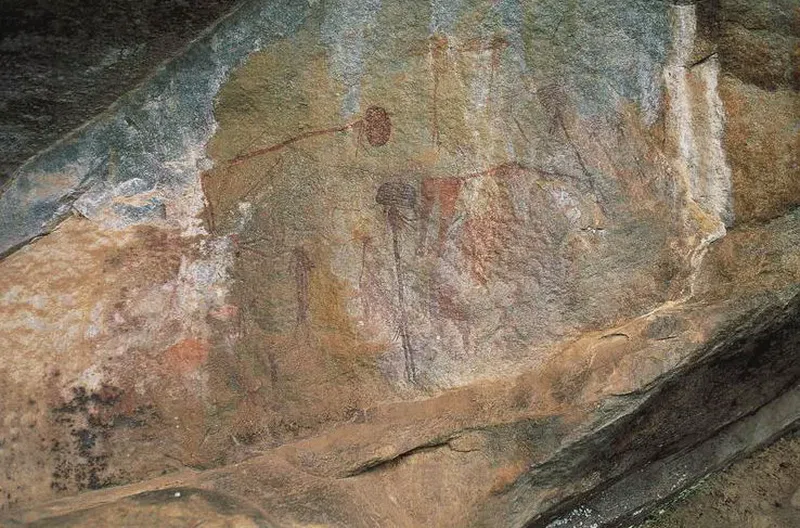
This remarkable collection encompasses an estimated 450 rock art sites within the Kondoa area, with some reports suggesting up to 1600 distinct cave paintings spread across nearly 200 individual locations. The artworks provide invaluable insights into the evolving lifestyles of both hunter-gatherer and agro-pastoralist communities over millennia. While the most recent paintings are only a few centuries old, the earliest examples are believed to date back between 19,000 and 30,000 years. Archaeological evidence from sites like the Kisese II rock shelter indicates human occupation in the region extending over 40,000 years ago. The art primarily utilizes red, white, black, and brown pigments, likely derived from natural sources such as iron oxide, plant-based oils, and animal fat.
The paintings depict a diverse range of subjects, including elongated human figures engaged in activities such as hunting, dancing, playing musical instruments, and crossing rivers. Alongside these human representations, various animals like elephants, giraffes, and antelopes are prominently featured. Beyond their immense historical and artistic value, the Kondoa Rock-Art Sites continue to hold active cultural significance. They are still utilized by local communities for traditional rituals, including weather-divination, healing ceremonies, and initiation rites. This enduring use underscores the profound spiritual and cultural importance of these ancient artistic expressions, maintaining a living connection to the past.