Attraction in Tanzania
Thawi Rock-Art Site
About Thawi Rock-Art Site
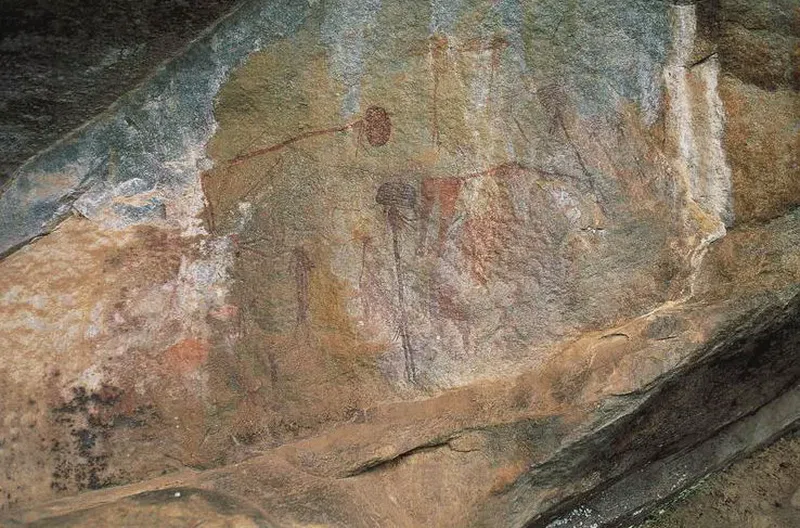
Thawi Rock-Art Site is a significant archaeological location situated approximately 15 kilometers northwest of Kolo village in the Kondoa region of central Tanzania. This area is renowned for its extensive collection of ancient rock paintings, forming part of the larger Kondoa Rock-Art Sites, which were inscribed as a UNESCO World Heritage site in 2006.
The site is particularly notable for its diverse array of rock art styles, offering a comprehensive overview of the various painting traditions found throughout the Kondoa area. The rock art in this region, including Thawi, spans an impressive timeline, with some of the earliest works potentially dating back as far as 10,000 years. These artistic expressions provide unique insights into the historical socio-economic shifts of the inhabitants, from hunter-gatherer communities to agro-pastoralist societies, and reflect their beliefs and cultural practices.
The paintings at Thawi and other Kondoa sites are broadly categorized into three main stylistic groups: Hunter-gatherer (or Sandawe), Pastoral, and Late White. Hunter-gatherer art typically features fine-line depictions of animals and human figures. Pastoral art, which emerged around 3,000 years ago, often portrays cattle. The more recent Late White paintings are characterized by cruder, finger-painted images, sometimes superimposed over older artwork. Thawi is specifically mentioned in the British Museum's collection in relation to a seated figure with an elaborate headdress, possibly surrounded by bees.