

Lake Ndutu
Ndutu is a significant natural area located in northern Tanzania, strategically positioned between the southeastern plains of Serengeti National Park and the Ngorongoro Conservation Area. This region is renowned as a prime wildlife destination, particularly famous for its pivotal role in the annual Great Migration. It is a vast expanse of short-grass plains, acacia woodlands, and saline lakes, offering a unique and dynamic ecosystem that supports an exceptional diversity of wildlife.
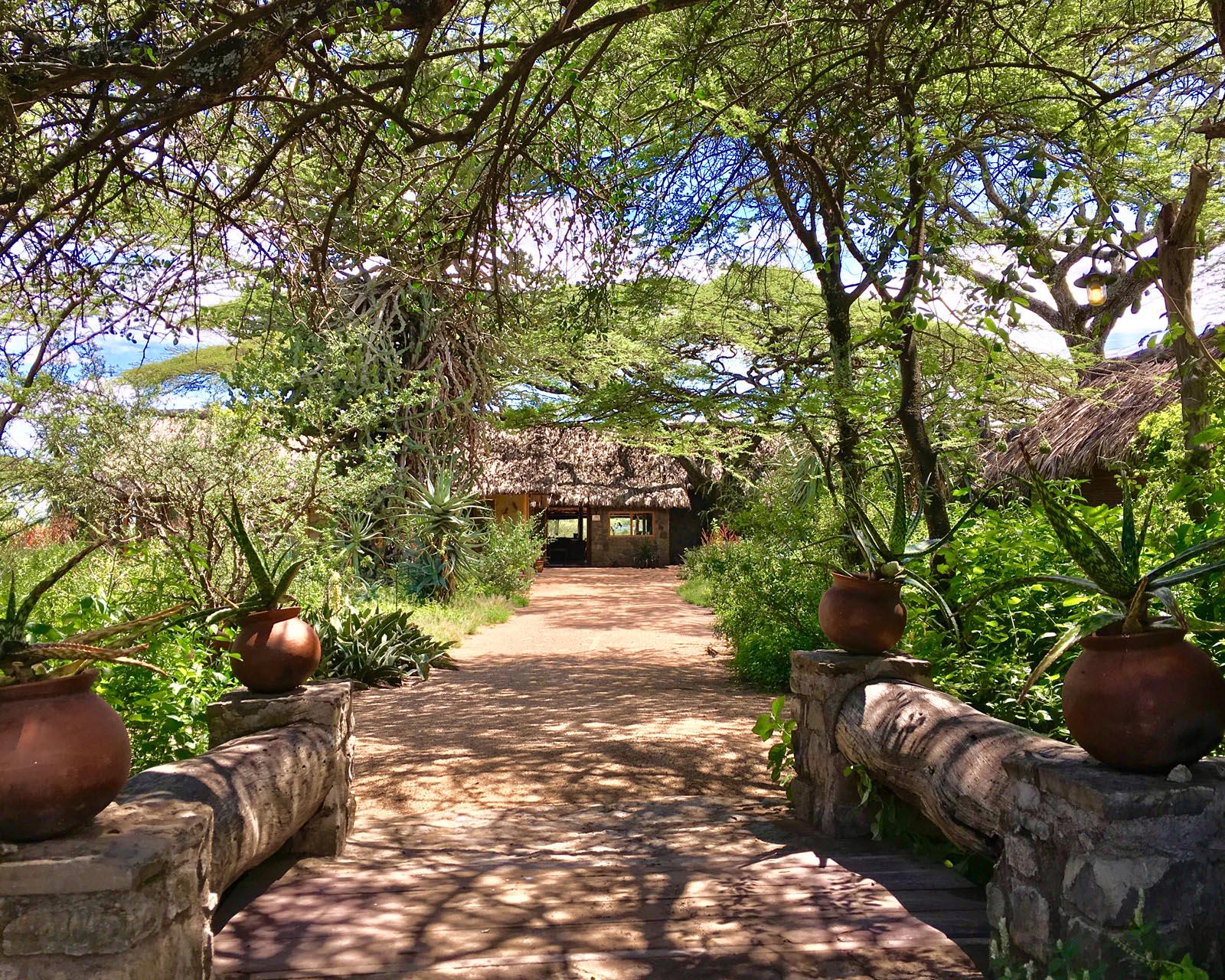
The landscape of Ndutu is characterized by its expansive short-grass plains, which stretch from the western side of the Ngorongoro Conservation Area into the southeastern Serengeti. This area features dense acacia woodlands and is centered around two alkaline lakes, Lake Ndutu and the perennial Lake Masek, which form shallow basins where water accumulates. The volcanic soil in the region is notably hard, which explains the general lack of trees on the open plains, though trees flourish on the sides of scattered rocky outcrops known as kopjes. These kopjes create microhabitats for various species and serve as vantage points for predators.
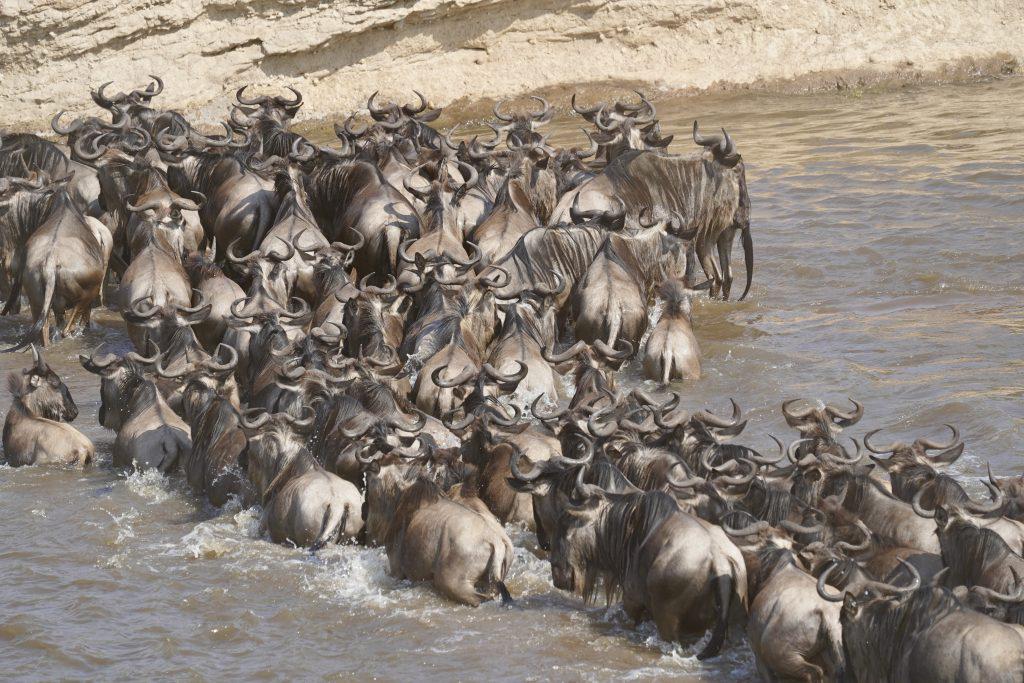
Ndutu is most celebrated for being the calving epicenter of the Great Migration, especially between December and April. During this "green season," seasonal rains attract immense herds of wildebeest and zebra to the nutrient-rich grasses, where female wildebeest give birth to thousands of calves daily. This dramatic period transforms Ndutu into a vibrant stage for predator-prey interactions, drawing large numbers of lions, cheetahs, and hyenas. Beyond the migration, Ndutu is a stronghold for elephants, and its diverse habitats support a wide array of other animals, including leopards, giraffes, hippos, various antelopes, and over 500 bird species, such as the iridescent Fischer's lovebird and the imposing Verreaux's eagle-owl.
The region holds historical and cultural significance, with archaeological excavations near Lake Ndutu in 1973 uncovering the Ndutu cranium and tool remnants dating back over 500,000 years. This area has also served as a base for pioneering wildlife researchers like Jane Goodall and Hugo van Lawick since the 1960s, contributing significantly to the understanding of African wildlife. Furthermore, the local Maasai communities play an important role in the region's history and ongoing conservation efforts.
Quick Info
Own this place?
Claim it to update its details and photos, add what you offer, reply to travellers and promote it on Wapota. It’s free.
Claim this listing →
3-Day Zanzibar to Southern Serengeti (Ndutu) Dec- Mar
0.0 km away
Wildebeest Calving Season in Tanzania
0.0 km away

Wildebeest Migration Safari - Western Corridor - 6 days (June)
0.0 km away
Weather & Rainfall Patterns
Station: 30s350e · 0.5 km away · 1627m