

Lealui Palace
Lealui Palace serves as the traditional dry season royal residence for the Litunga, the revered king of the Lozi people in Western Zambia. It is strategically located on the expansive Barotse Floodplain, approximately 12 to 14 kilometers west of the provincial capital, Mongu. This unique location dictates the annual movement of the royal court; as the Upper Zambezi floodwaters rise, typically around March, the Litunga and his retinue relocate to Limulunga, a palace situated on higher ground. This significant transition is commemorated by the Kuomboka ceremony, one of Zambia's most important cultural festivals, which marks the king's journey from the flooded plains to his wet season abode.
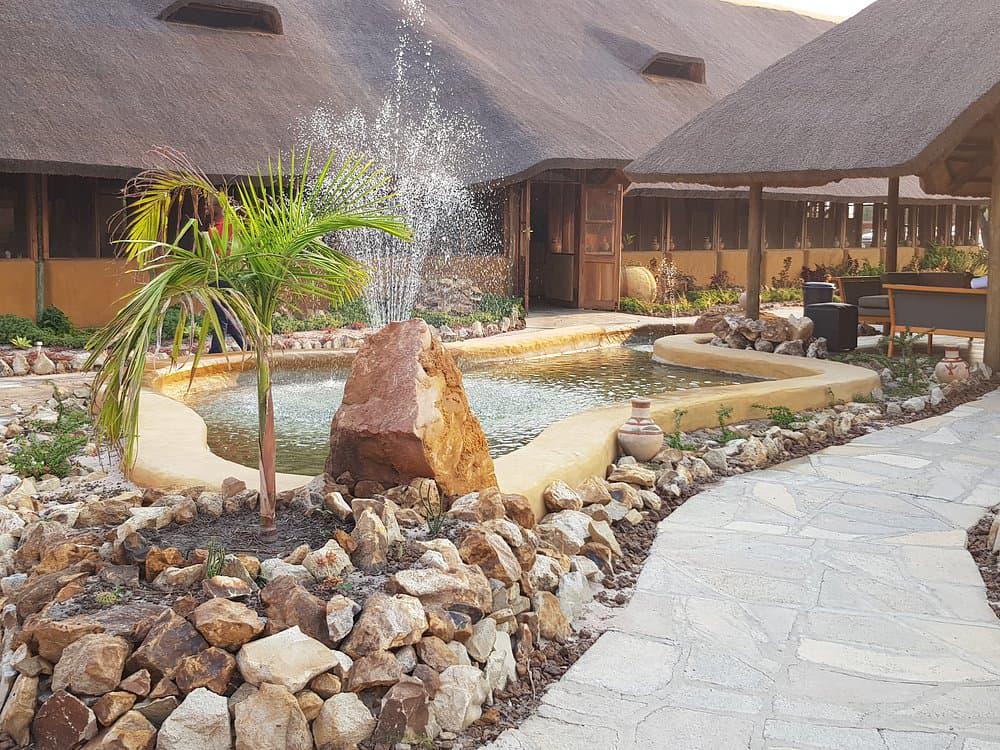
Unlike conventional Western palaces, Lealui Palace presents itself as a traditional African village, characterized by numerous thatched huts. The king's own hut is notably larger than the others, signifying his status. Beyond being a seasonal home, Lealui functions as the primary administrative hub for the Lozi people, embodying their rich cultural heritage and governance. The architecture and layout of the palace demonstrate indigenous engineering and the Lozi people's remarkable adaptation to life within the floodplain environment.
Visitors to Lealui are generally welcomed, though it is essential to approach the royal court with utmost respect and courtesy. The palace underwent renovations in 2017 and is accessible for visits by appointment on weekdays. Key attractions within the complex include the Royal Palace, known as the Kuta, historical courtyards where important tribal meetings and ceremonies take place, and workshops where traditional Lozi artifacts are still crafted using ancient techniques. The site is also home to ancient baobab trees, which have stood for centuries, witnessing the unfolding history of the Lozi kingdom. The optimal time to visit is during the dry season, from May to November, when the Litunga is in residence and the palace grounds are fully accessible. However, the most spectacular experience is undoubtedly during the Kuomboka ceremony, usually held in March or April, depending on the flood levels. Access from Mongu typically involves traveling on dirt roads during the dry season, or by boat when the plains are flooded, and engaging a local guide is highly recommended for navigation and cultural insights.
Quick Info
Own this place?
Claim it to update its details and photos, add what you offer, reply to travellers and promote it on Wapota. It’s free.
Claim this listing →
Weather & Rainfall Patterns
Station: 148s228e · 25.4 km away · 1020m