
Attraction in South Africa
Leeuwenhof
About Leeuwenhof
Leeuwenhof is a historic estate located in the Gardens area of Cape Town, South Africa, serving as the official residence for the Premier of the Western Cape. This significant property, proclaimed a National Monument in 1966 and now a Provincial Heritage Site, is nestled on the slopes of Table Mountain, offering views over Table Bay. Its origins trace back to 1693 when Governor Simon van der Stel granted the land. Over centuries, the estate has seen numerous proprietors, including notable figures like Christoffel Joseph Brand and Petrus Johannes Kotzé, who played important roles in Cape Town's public life. The main house, a fine example of old flat-roofed, double-storied Cape Dutch architecture, has largely retained its original form despite changes in ownership.
The estate holds deep historical and cultural significance, particularly concerning the history of slavery in the Cape. The Leeuwenhof Slave Quarters have been preserved and transformed into a Remembrance Gallery, housing exhibitions that honor the enslaved people who lived and worked on the estate. These exhibitions provide insight into the impact of slavery at the Cape, which saw thousands of individuals brought from various regions as forced labor. While generally not open to the public, the Slave Quarters are accessible for special programs and by prior arrangement for groups.
Leeuwenhof's gardens, once extensive and featuring vineyards and orchards, have undergone revitalization efforts. In collaboration with organizations like the Botanical Society of South Africa and Kirstenbosch National Botanical Garden, indigenous plants, including succulents, cycads, and fynbos species native to the Cape Floral Kingdom, have been reintroduced. This initiative aims to celebrate the region's natural heritage and make the estate's natural beauty more accessible to the public, while still preserving historical exotic species like oak trees and bougainvillea. The estate, originally spanning around 80 hectares, has been reduced to approximately two hectares around the main house due to urban expansion over time.
Things to see
Close by


Where to stay
Where to eat

Things to do

Check-in at Cape Cadogan Boutique Hotel
Day Safari
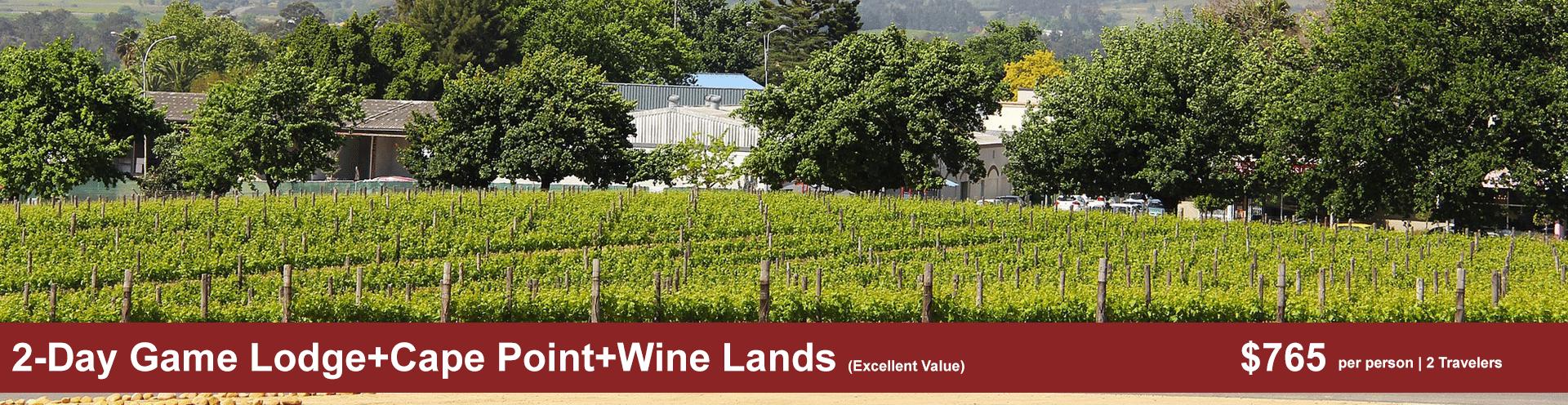
Cape Town Safari Tours: 2 to 5 Day Options
Cape Town City Tour
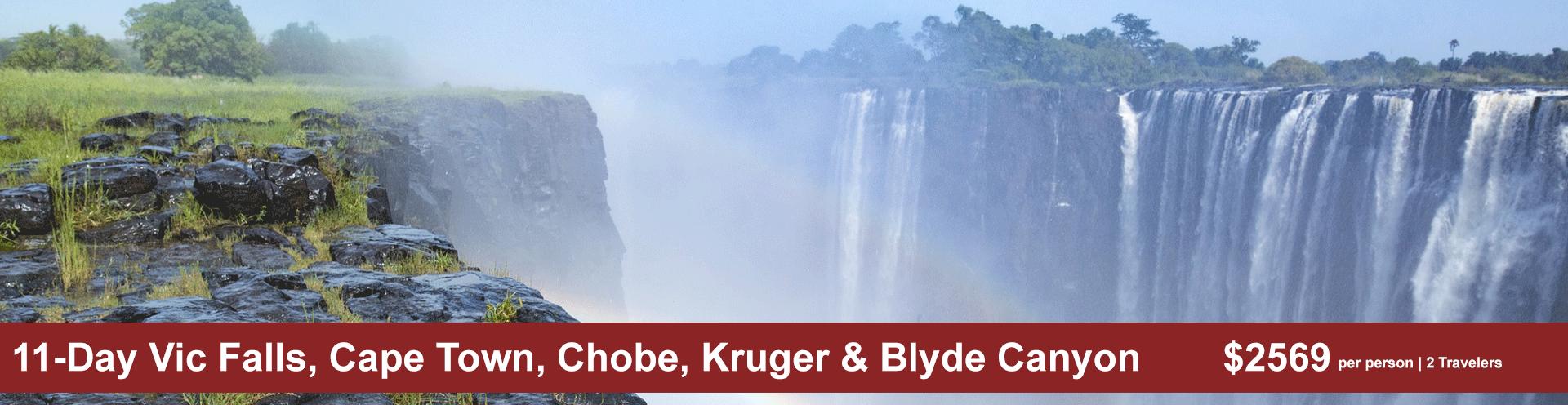
11 to 15 Day Tours
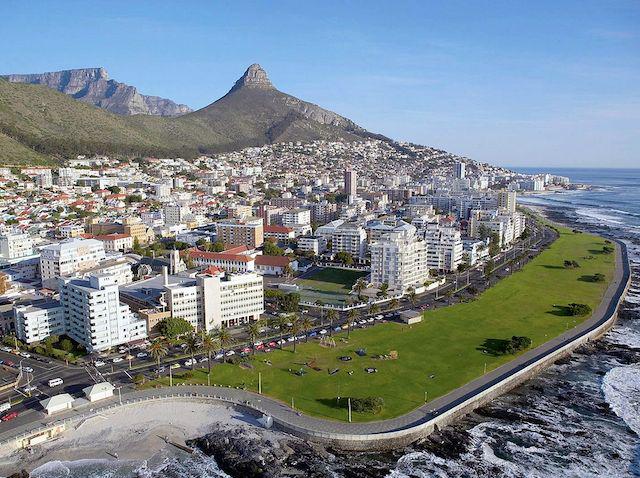
Tour of Cape Town
Weather through the year
Average temperatures and rainfall by month
Station: 339s184e · 11 km away · -9999m