
Experience in Tanzania
Livingstone's House
About Livingstone's House
Livingstone's House, situated in the Kinazini waterfront quarter of Stone Town, Zanzibar City, is a historically significant three-story building constructed around 1860 for Sultan Majid. Despite its unassuming architectural appearance, the house holds immense historical value as it served as the departure point for the renowned Scottish explorer David Livingstone's final expedition to Africa in 1866. Other notable European explorers, including Burton, Speke, Cameron, and Stanley, also utilized this house as a base while preparing for their own journeys into eastern and central Africa during the mid-19th century.
Following Livingstone's death from malaria in Zambia in 1873, the house continued to serve as a staging post for subsequent explorers. It was later used by the island's Indian community before being acquired by the colonial government in 1947, which converted some rooms into scientific laboratories for researching clove diseases. Today, Livingstone's House functions as the main office for the Zanzibar Tourist Corporation (ZTC), offering various excursions to visitors. Additionally, parts of the historical building are now available as serviced apartments, known as "David Livingstone's Home," providing guests with a unique opportunity to stay in a place steeped in history.
David Livingstone, a prominent English missionary and explorer, dedicated his life to exploring the African continent, particularly in his quest to locate the source of the Nile River. His body was eventually transported to Zanzibar, then to London for burial in Westminster Abbey. A cross crafted from the wood of the tree under which his heart was interred in Zambia is now displayed in the Anglican Cathedral in Zanzibar Town, serving as a poignant reminder of his legacy.
Things to see
Close by

Where to stay

Where to eat




Things to do
Livingstone's House
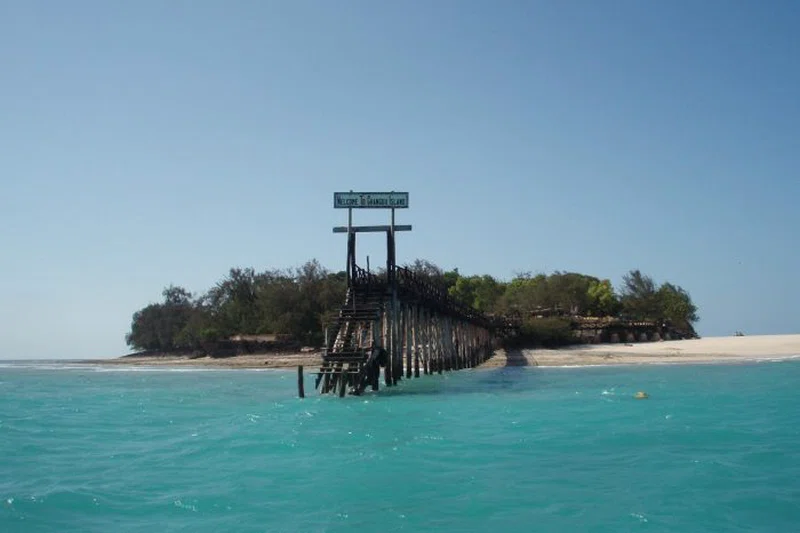
The Old Fort
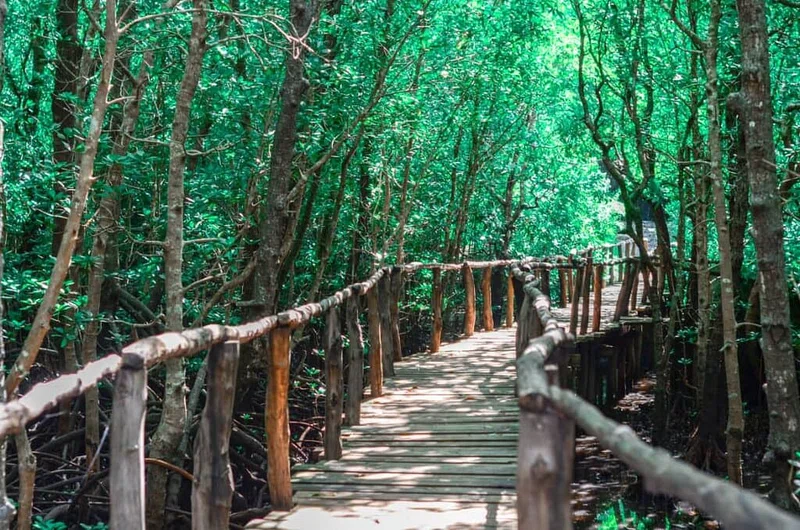
Kidichi Persian Baths

Christ Church
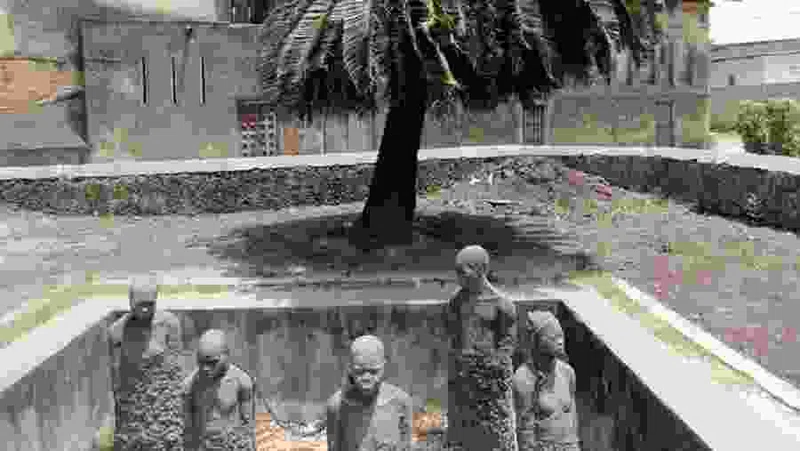
Christ Church Anglican Cathedral (Former Slave Market in Zanzibar)
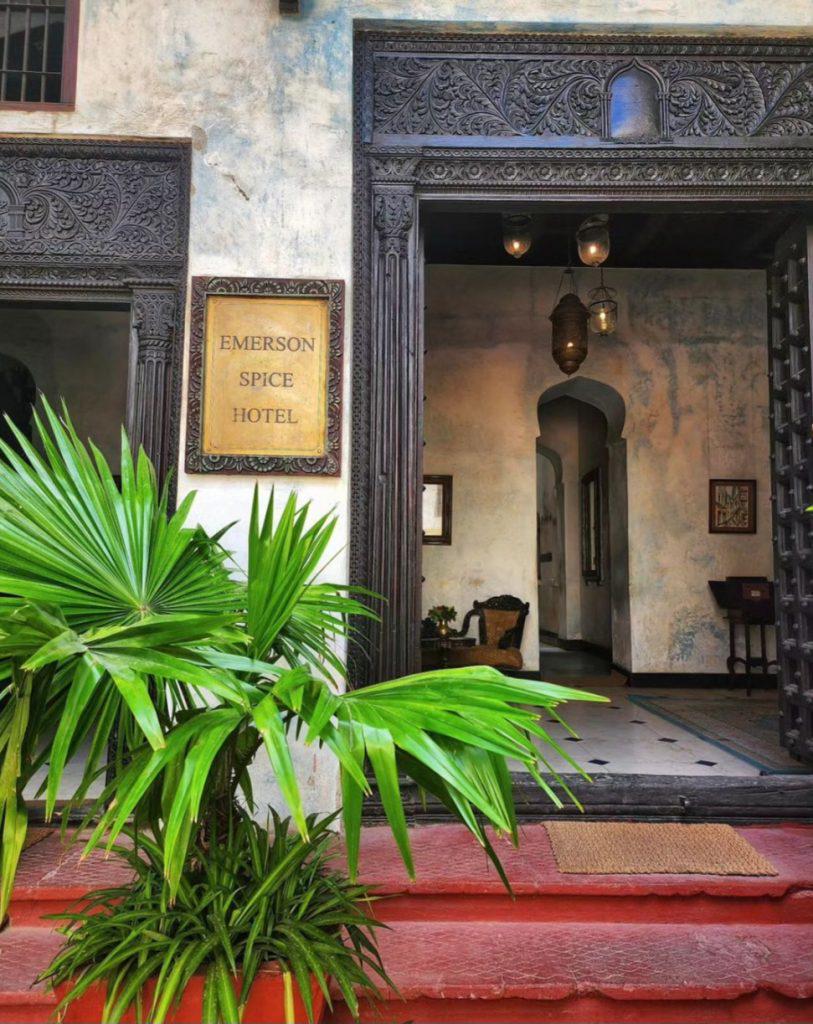
Stone Town City Tour
Weather through the year
Average temperatures and rainfall by month
Station: 58s388e · 27.4 km away · 89m