Attraction in Egypt
Luxor Temple
About Luxor Temple
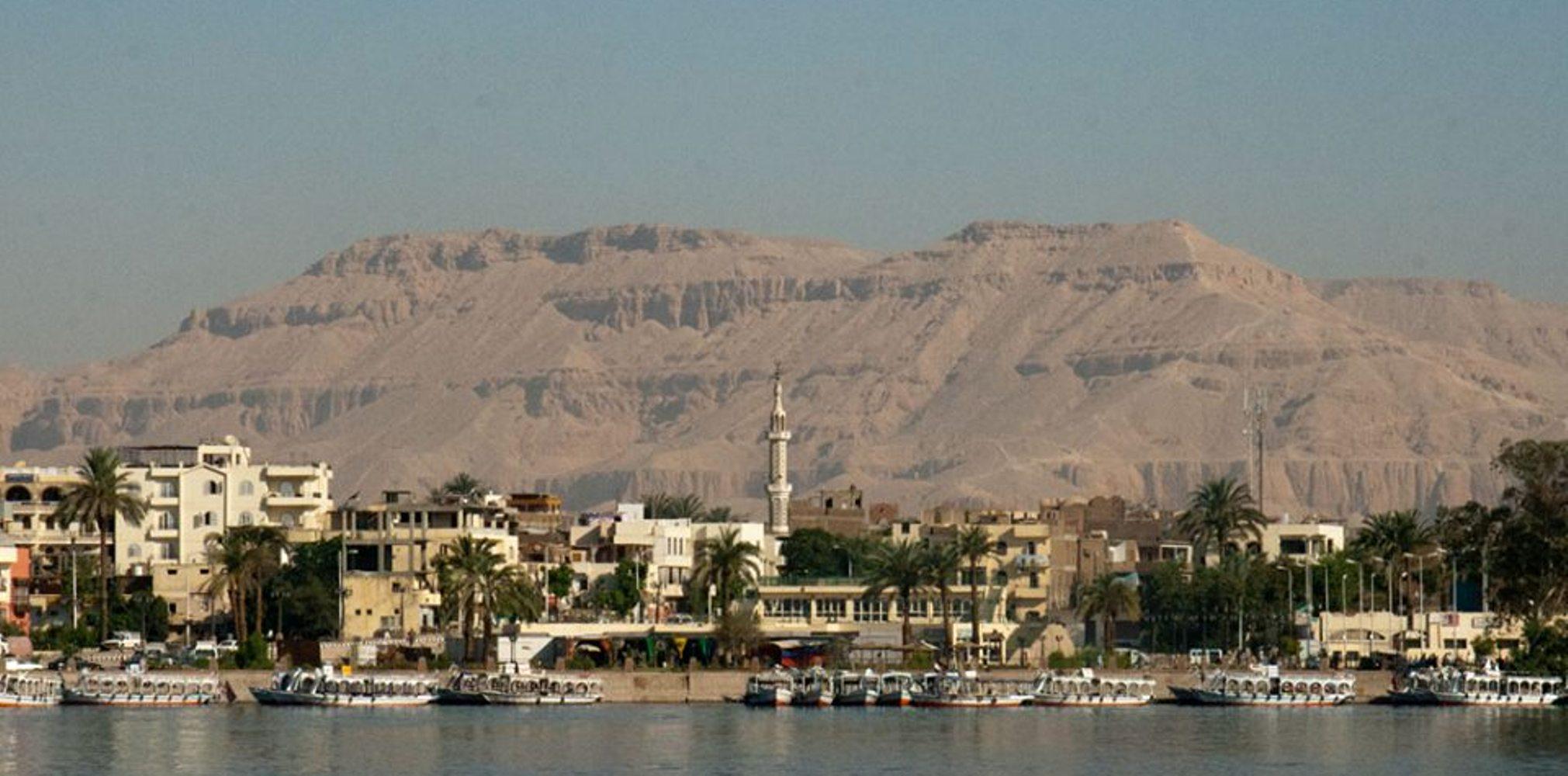
Luxor Temple is a monumental ancient Egyptian temple complex situated on the east bank of the Nile River in the modern city of Luxor, which was once known as ancient Thebes. In ancient Egyptian, it was referred to as Ipet-resyt, meaning "the Southern Sanctuary," reflecting its location approximately three kilometers south of the vast Karnak Temple, to which it was historically linked by a ceremonial Avenue of Sphinxes. Unlike many other temples of its era that were dedicated to specific cult gods or deified pharaohs in death, Luxor Temple's primary purpose was the rejuvenation of kingship and the celebration of divine rebirth. It served as the central venue for the annual Opet Festival, a significant religious event where the cult images of Amun, his consort Mut, and their son Khonsu were paraded from Karnak to Luxor Temple for rituals of renewal and divine union.
Construction of Luxor Temple commenced around 1400 BCE under Pharaoh Amenhotep III of the 18th Dynasty, who established the temple's core, including a columned hall and a large courtyard. Subsequent pharaohs, notably Tutankhamun and Horemheb, contributed to its intricate decorations, with detailed scenes depicting the Opet Festival. A century later, Ramesses II of the 19th Dynasty undertook a major expansion, adding a grand entrance pylon adorned with colossal statues of himself and a peristyle courtyard. Of the two 25-meter-high obelisks he erected at the entrance, one remains in place, while its twin now stands in Paris.
Luxor Temple has a rich history of continuous religious use, adapting through various eras. During the late 3rd century AD, the Romans fortified the temple, converting one of its inner rooms into a sanctuary and adorning its walls with plaster reliefs in the Graeco-Roman style, depicting Emperor Diocletian. Later, parts of the temple were transformed into a Christian church. Remarkably, the Abu Haggag Mosque was constructed directly within the temple complex in the 13th century and remains an active place of worship today, standing atop ancient columns. This layering of historical and religious structures makes Luxor Temple a unique site, showcasing millennia of human faith and cultural evolution. Along with other ancient sites in Thebes, Luxor Temple was designated a UNESCO World Heritage site in 1979, recognizing its universal value and ensuring its preservation.