Attraction in Mozambique
Mozambique Island
About Mozambique Island
Mozambique Island, known locally as Ilha de Moçambique, is a small coral island situated off the northern coast of Mozambique, within the Nampula Province. The island measures about 3 kilometers in length and between 200 to 500 meters in width, with a permanent population of around 14,000 residents.
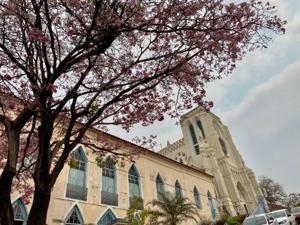
The island holds immense historical and cultural significance, having served as the capital of Portuguese East Africa for nearly four centuries before 1898. Its history predates Portuguese arrival, functioning as a major trading hub for Arab merchants. The island's name is derived from Ali Musa Mbiki, a sultan during Vasco da Gama's era. It is recognized as a UNESCO World Heritage Site, reflecting its unique blend of African, Arab, and European influences. Key historical structures include Fort São Sebastião, a 16th-century Portuguese fortification considered one of the oldest European-built forts in sub-Saharan Africa, and the Chapel of Nossa Senhora de Baluarte, dating back to 1522 and believed to be the oldest surviving European building in the Southern Hemisphere.
The island is distinctly divided into two main areas: Stone Town in the north, which comprises the old colonial quarter with many historical buildings, and Makuti Town in the south, characterized by reed houses where the majority of the local population resides. Other notable sites include the Palace and Chapel of São Paulo, which now functions as a museum, the Museum of Sacred Art, and the majestic neo-classical Old Hospital built in 1877. Visitors can explore the island's rich past by wandering through its winding alleyways, visiting mosques and a Hindu temple, and observing the Fortim-Igreja de Santo António. Activities often include dhow boat trips and snorkeling, though it is advisable to venture further from the immediate shore for better water quality.