

Nairobi CBD
Nairobi Central Business District (CBD), also known as Nairobi City Center, serves as the vibrant commercial and civic heart of Kenya's capital city, Nairobi. It is a compact urban area whose development has been significantly influenced by its railway history, government institutions, and numerous high-rise office buildings. The district is situated at the core of Nairobi, bordered by Uhuru Highway to the west, Haile Selassie Avenue to the south, and Moi Avenue running through its center.
The CBD is characterized by its principal avenues, such as Kenyatta Avenue, Moi Avenue, Harambee Avenue, and City Hall Way, which host a concentration of banks, shops, cafes, public offices, hotels, and transport hubs. Notable architectural landmarks include the Parliament precinct, City Hall, and the Kenyatta International Convention Centre (KICC), whose distinctive cylindrical tower and helipad offer panoramic views of the city skyline. The area also preserves historical sites like the Nairobi Gallery, housed in the former Old PC's Building, and the Kenya National Archives, which safeguards important national records and exhibits.
Beyond its formal institutions, the CBD's character is shaped by its daily routines, including the bustling City Market, where produce, flowers, and small-scale trading thrive. Bookshops and souvenir vendors are common along central streets, while a diverse culinary scene offers Kenyan, Indian, Middle Eastern, and international flavors. Public transport nodes like Kencom and the former OTC area highlight the CBD's role as a gateway to the wider city. Green spaces such as Uhuru Park and Central Park are located adjacent to the CBD, providing recreational areas for residents and visitors. The district is busiest during business hours, with commuters, traders, and office workers filling its pavements, reflecting its status as a major financial and economic hub in East Africa.
The history of Nairobi's CBD traces back to 1899 with the construction of the Uganda Railway, which led to the establishment of a railway camp that grew into the capital of the East Africa Protectorate in 1907. After Kenya gained independence in 1963, the CBD evolved into a modern metropolitan area, with colonial administrative buildings transforming into institutions of the independent government. Continuous development, including the construction of skyscrapers and infrastructure projects, has further cemented its role as a dynamic urban center.
Quick Info
Own this place?
Claim it to update its details and photos, add what you offer, reply to travellers and promote it on Wapota. It’s free.
Claim this listing →





1 Day Safaris
0.0 km away
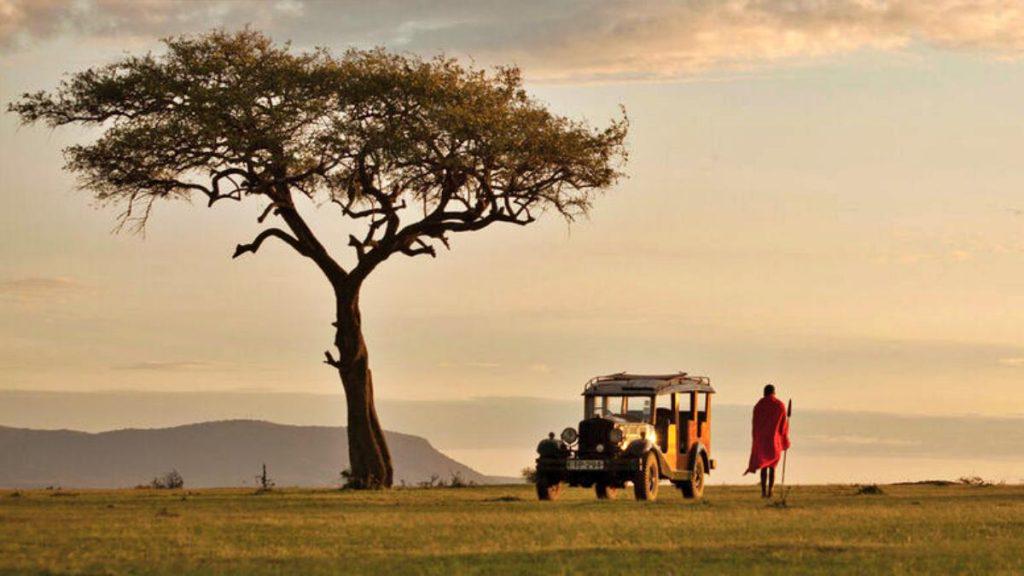
8 Days Luxury Kenya Safari
0.0 km away
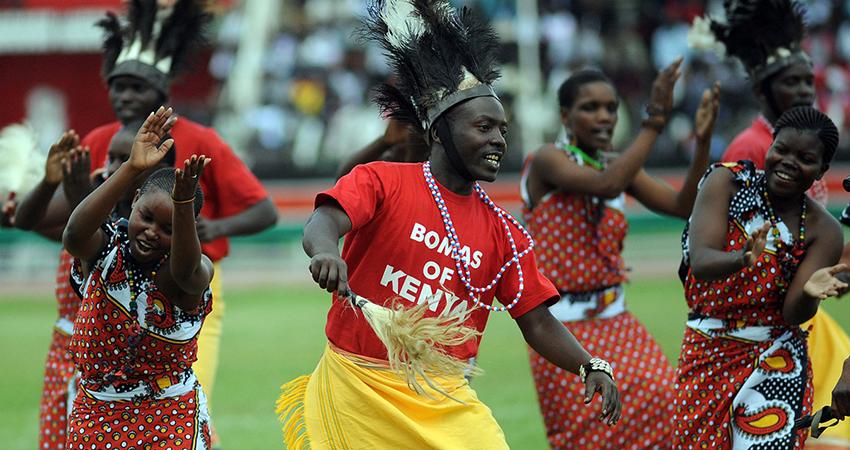
Bomas of Kenya Day Trip
0.0 km away
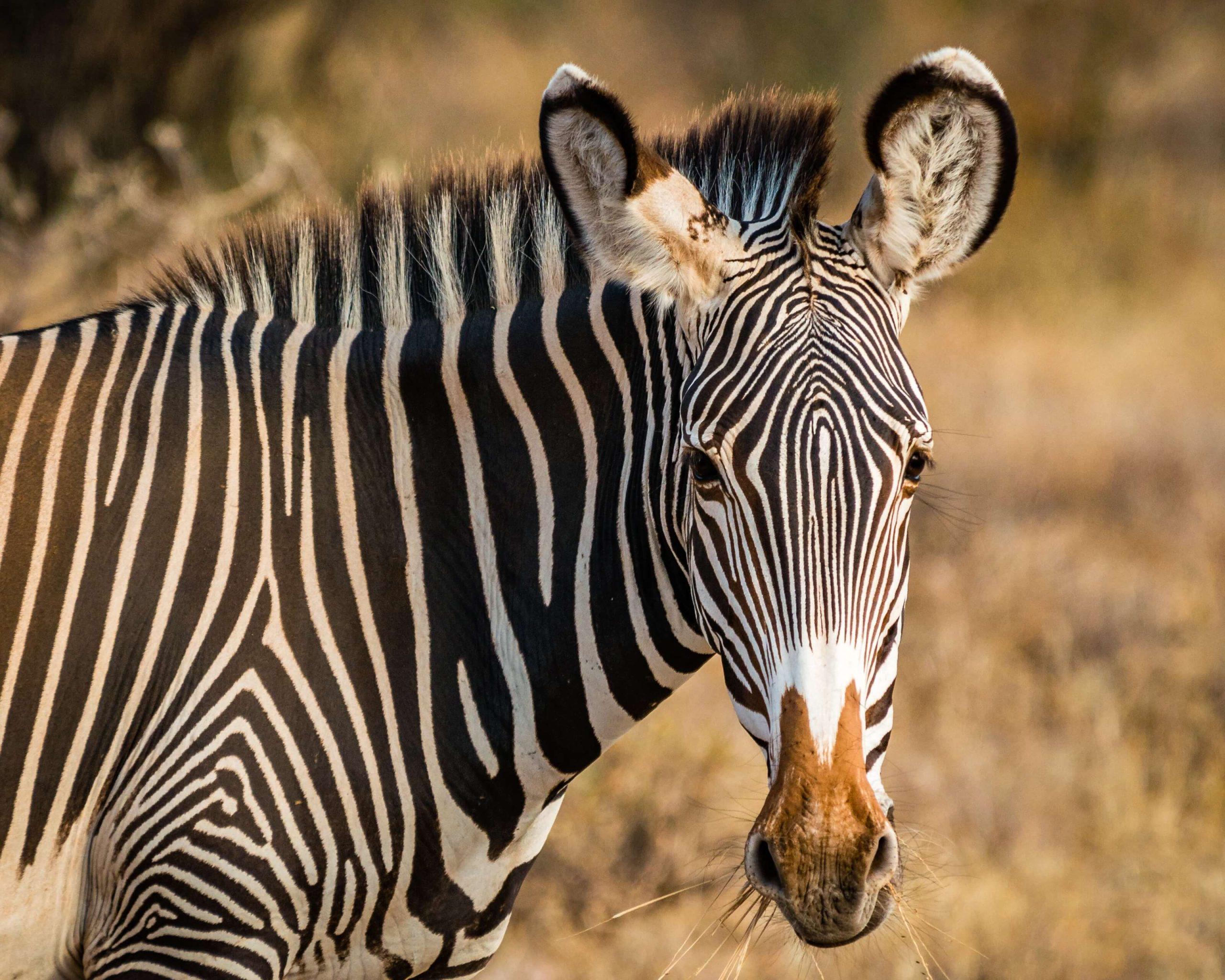
6 Days Best of Kenya Safari Adventure: Samburu, Lake Nakuru & Maasai Mara
0.0 km away
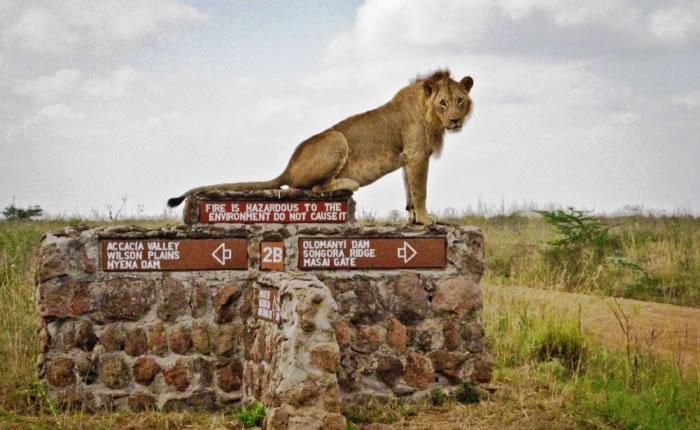
Nairobi National Park, Giraffe Center & Elephant Orphanage Day Tour
0.0 km away
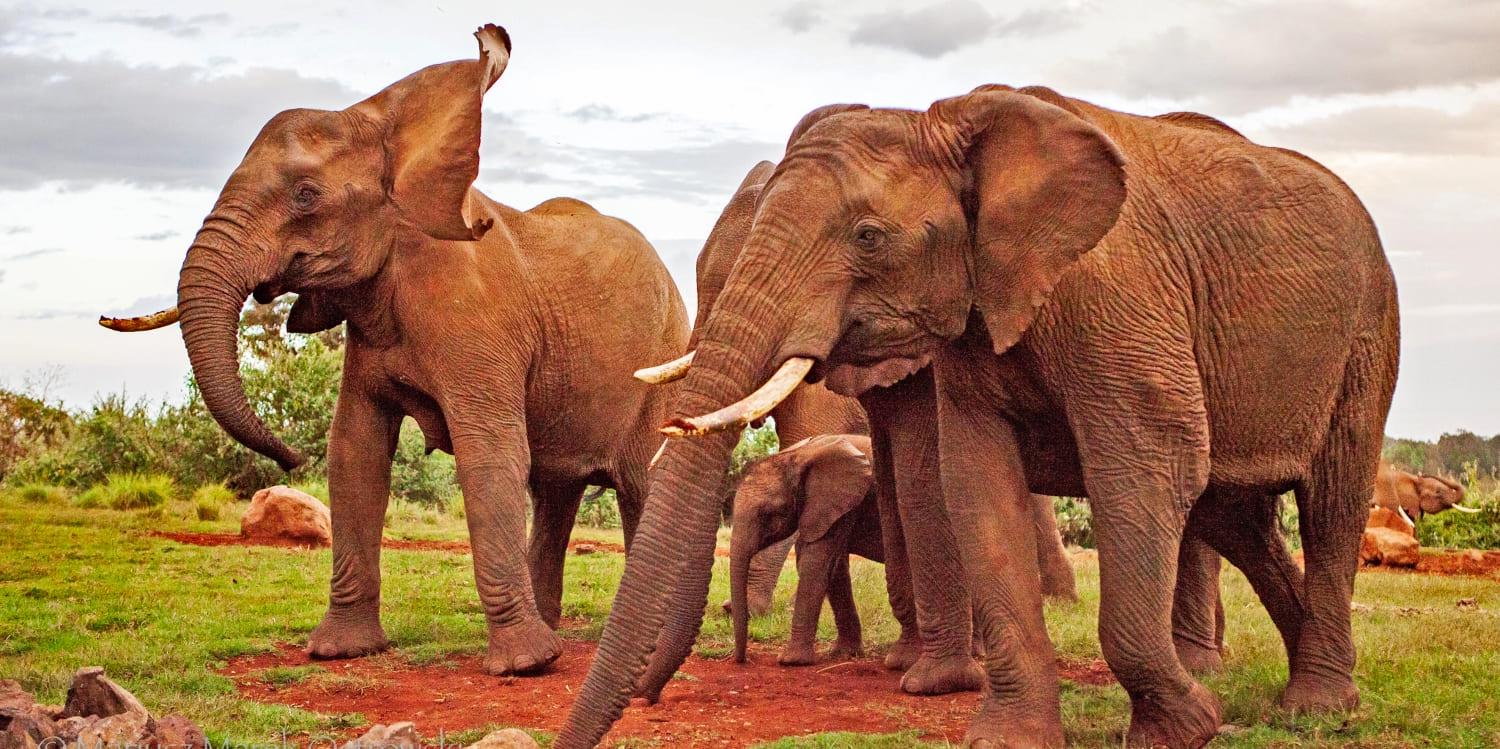
5 Days Aberdare Olpejeta and Samburu Safari
0.0 km away
Weather & Rainfall Patterns
Station: 14s369e · 31.4 km away · 1627m