
Attraction in Tanzania
Ngorongoro Conservation Area
About Ngorongoro Conservation Area
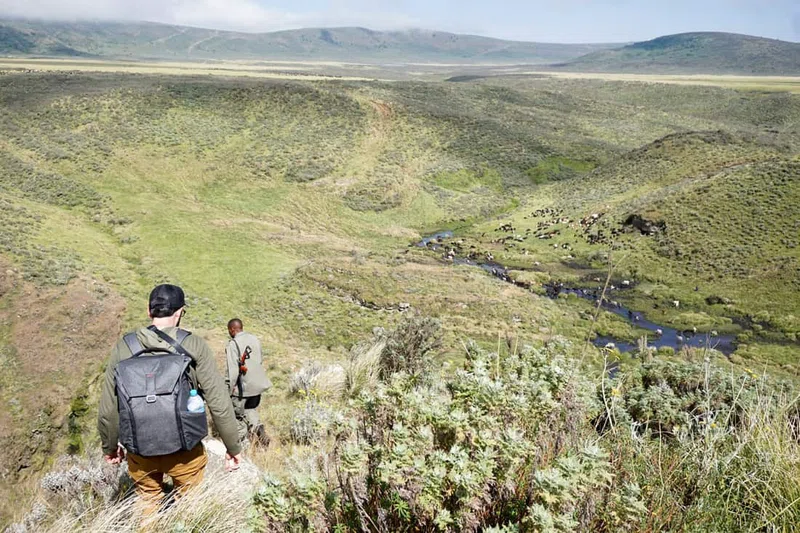
The Ngorongoro Conservation Area is a vast protected region in northern Tanzania, situated west of Arusha City and bordering Serengeti National Park to its southeast. Spanning approximately 8,292 square kilometers, it is a unique landscape encompassing diverse habitats such as grassland plains, savanna woodlands, forests, mountains, volcanic craters, lakes, rivers, and swampland. The area is a crucial component of the larger Serengeti ecosystem, renowned for supporting the annual Great Migration of millions of wildebeest, zebras, and gazelles.
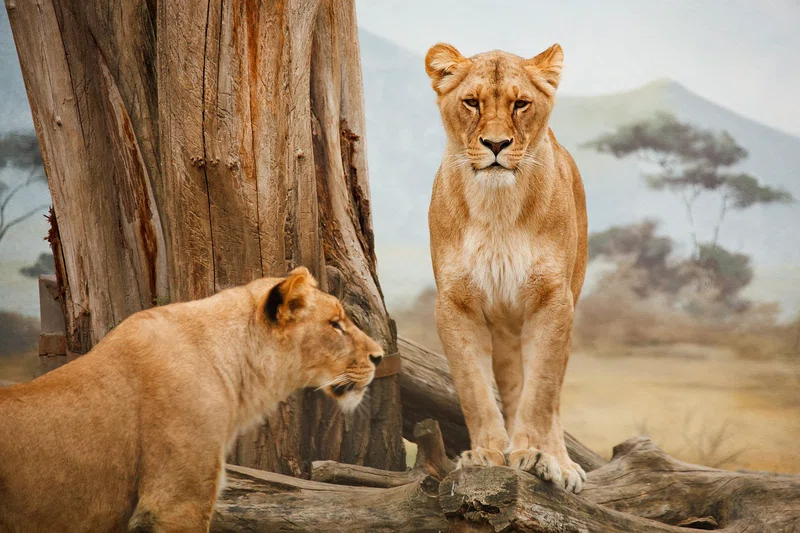
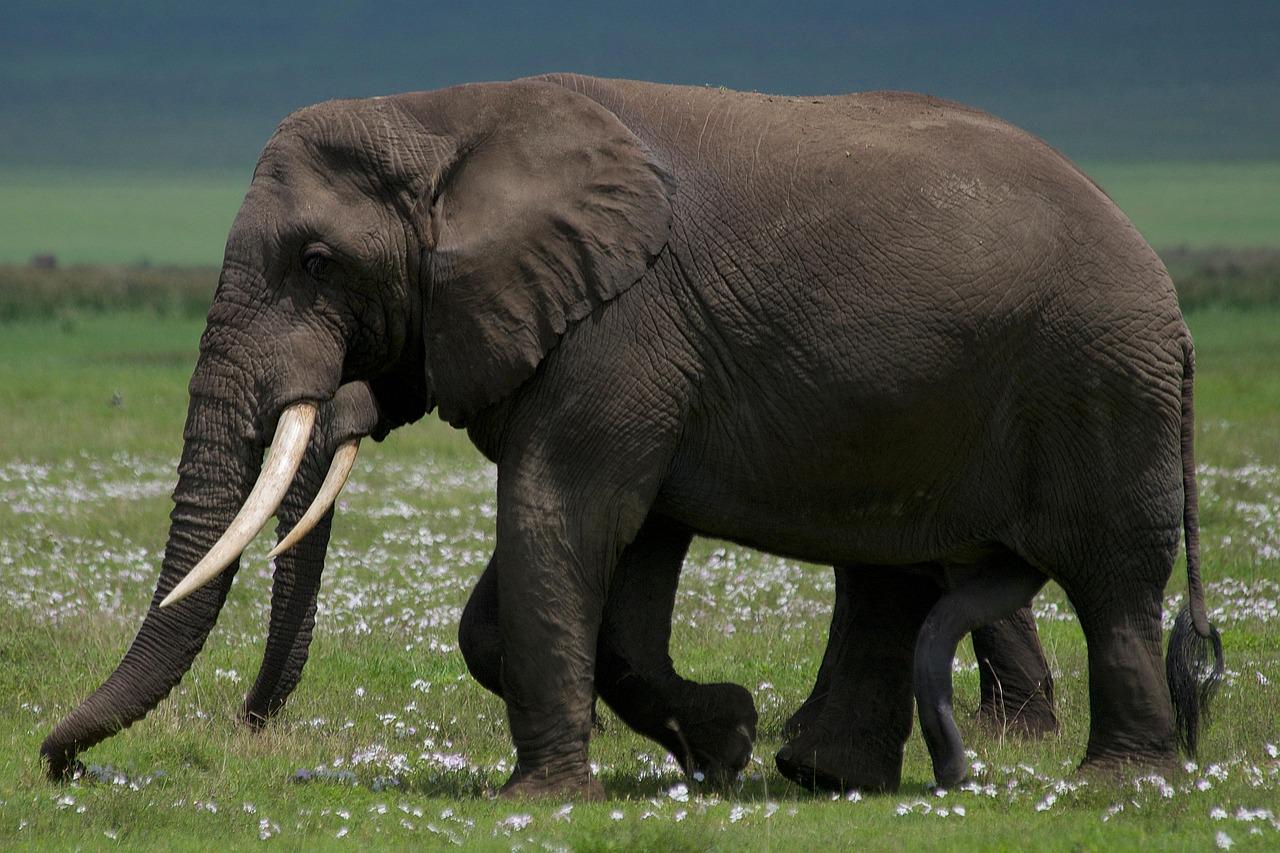
At the heart of the conservation area lies the spectacular Ngorongoro Crater, the world's largest inactive, intact, and unfilled volcanic caldera. This breathtaking natural wonder measures about 20 kilometers across, is 600 meters deep, and covers an area of 260 square kilometers. The crater floor hosts an exceptionally dense population of around 25,000 large animals, primarily ungulates. These include significant numbers of wildebeest, zebra, eland, Thomson's and Grant's gazelles, African buffalo, and hippopotamuses. The crater is also home to a high density of lions, along with spotted hyenas, leopards, and cheetahs. Critically endangered black rhinoceros are also found within the crater. Beyond the main crater, the conservation area features other volcanic formations like Olmoti and Empakaai craters, the latter known for its deep soda lake.
Ngorongoro Conservation Area holds immense historical and cultural significance, particularly due to the Olduvai Gorge, one of the world's most important paleoanthropological sites. Discoveries made here, including early human genus Homo habilis and other hominids, have been instrumental in advancing the understanding of human evolution. Recognized for its outstanding natural universal values, the Ngorongoro Conservation Area was inscribed as a UNESCO World Heritage Site in 1979. It is managed by the Ngorongoro Conservation Area Authority (NCAA), which strives to balance conservation efforts with the traditional lifestyles of its resident Maasai communities.
Things to see
Close by

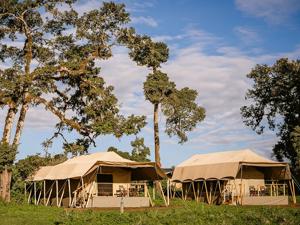
Where to stay

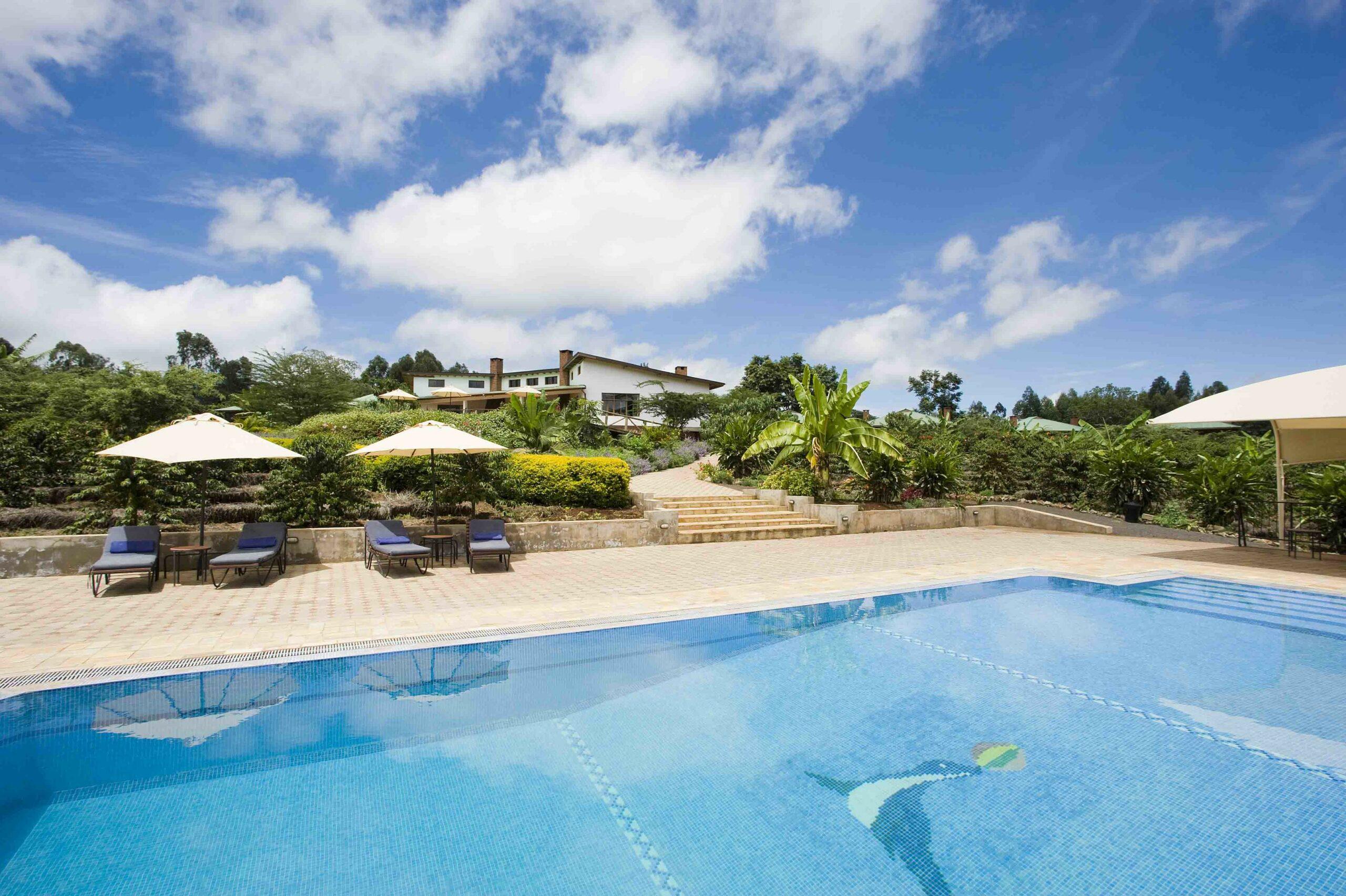
Where to eat



Things to do
11-Day Queen, Bwindi, Serengeti & Ngorongoro Crater Rim
Ngorongoro Crater Safari
Ngorongoro Crater Day Trip

3-Day Tarangire, Ngorongoro Crater & Cultural Experience Safari
3-Day Tarangire, Ngorongoro Crater & Cultural Experience Safari
4-Day Northern Tanzania Cultural Wildlife Safari
Weather through the year
Average temperatures and rainfall by month
Station: 30s353e · 10.2 km away · 1525m