
Attraction in Tanzania
Northern Pare Mountains
About Northern Pare Mountains
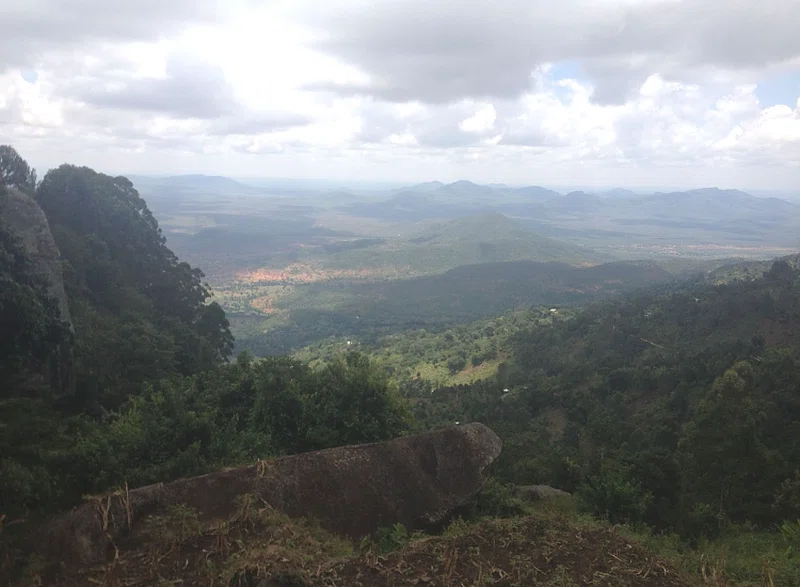
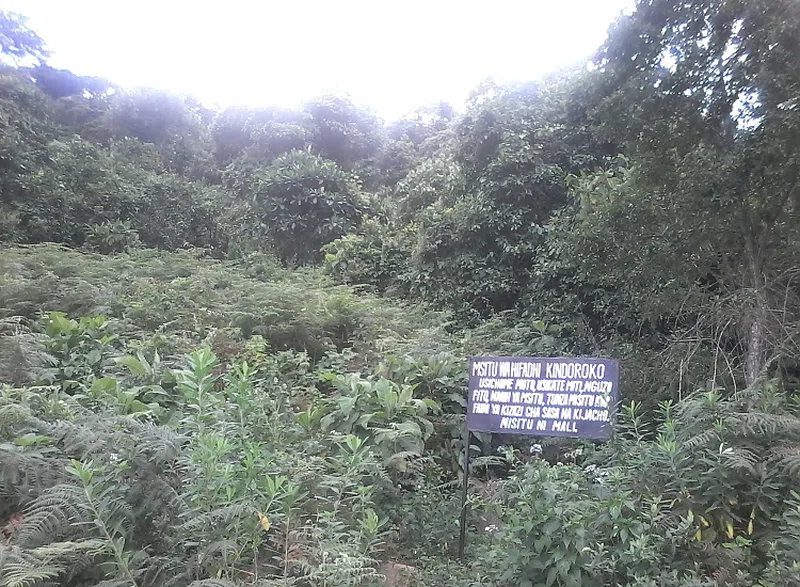
The North Pare Mountains are a prominent mountain range situated in northeastern Tanzania, specifically within the Mwanga District of the Kilimanjaro Region. As a vital component of the Eastern Arc Mountains, this region is characterized by block-faulted, crystalline peaks that extend approximately 40 kilometers. Altitudes in the North Pare Mountains vary significantly, ranging from 500 meters in the lowlands to a peak of 2,113 meters at Kindoroko Hill. The landscape features a sharp rise on its western flank and a more gradual slope to the east, where it borders Lake Jipe, which lies on the Tanzania-Kenya frontier. Geologically, the area is composed of ancient Precambrian metamorphic rocks, primarily granulites and gneiss.
The mountains are home to six designated forest reserves—Kindoroko, Minja, Mramba, Kiverenge, Kamwella I, and Kamwella II—collectively covering about 7,407 hectares of Eastern Arc forest. Additionally, nearly 300 clan forests, spanning 371 hectares, protect smaller, ecologically significant forest patches. The diverse habitats include montane forests, dry montane forests, dry woodlands, and heathlands, featuring tree species such as African cherry (Prunus africana), Albizia gummifera, and Newtonia buchananii. The North Pare Mountains serve as a critical water catchment area, supplying water to local communities and contributing to the Pangani River basin, which is essential for regional hydropower and irrigation.
Biodiversity in the North Pare Mountains, while considered lower in endemism compared to some other Eastern Arc sections, is still notable. Surveys have identified 92 vertebrate species, including 56 birds, 19 mammals, 11 reptiles, and 6 amphibians. The avian population includes various hawks, buzzards, eagles, shrikes, flycatchers, warblers, thrushes, and sunbirds. Mammalian inhabitants range from genets, civets, and mongoose to Sykes' monkeys, hyraxes, duikers, bushbucks, yellow baboons, and elephant shrews. The black and rufous sengi (Rhynchocyon petersi), a near-endemic and endangered mammal, and a newly described endemic frog species, Callulina sp. Nov., are particularly significant.
For over five centuries, the Pare tribe, also known as Wapare, have inhabited these mountains, preserving their traditional way of life and cultural practices, including the use of indigenous plants for medicinal and cultural purposes. These traditions have also played a role in conserving many of the region's sacred forests. Visitors can engage in activities such as day hikes, cultural tours of local villages, and bird watching. Popular trails, like the Kindoroko Trail, offer opportunities to observe wildlife and enjoy panoramic views of Lake Jipe and Mount Kilimanjaro. Historical sites, such as the Goma Hill caves, once used by Pare chiefs for refuge, and old churches reflecting early German missionary influence, add to the cultural richness of the area.
Things to see
Close by


Where to stay
Things to do
Tarangire Safari Day Trip Tanzania from Moshi | Arusha | Karatu

1-Day Tarangire National Park Safari from Moshi or Arusha

1-Day Shared Safari to Tarangire NP from Arusha
Weather through the year
Average temperatures and rainfall by month
Station: 39s375e · 27.7 km away · 822m