Attraction in Tanzania
Prison Ruins
About Prison Ruins
Mikindani is a historic coastal town situated in the Mtwara region of southern Tanzania, known for its rich past as a significant trading center. Its name, derived from the Swahili word "mikinda" meaning "young palm trees," reflects its natural surroundings. The town's architecture is a captivating blend of Swahili, Indian, Arabic, and European influences, a testament to the various cultures that have shaped it over centuries. Arab traders first established settlements here as early as the 9th century, and by the 18th and 19th centuries, Mikindani had evolved into a bustling port where goods like ivory, gum copal, and seed crops were traded, and items such as garments and ceramics were imported.
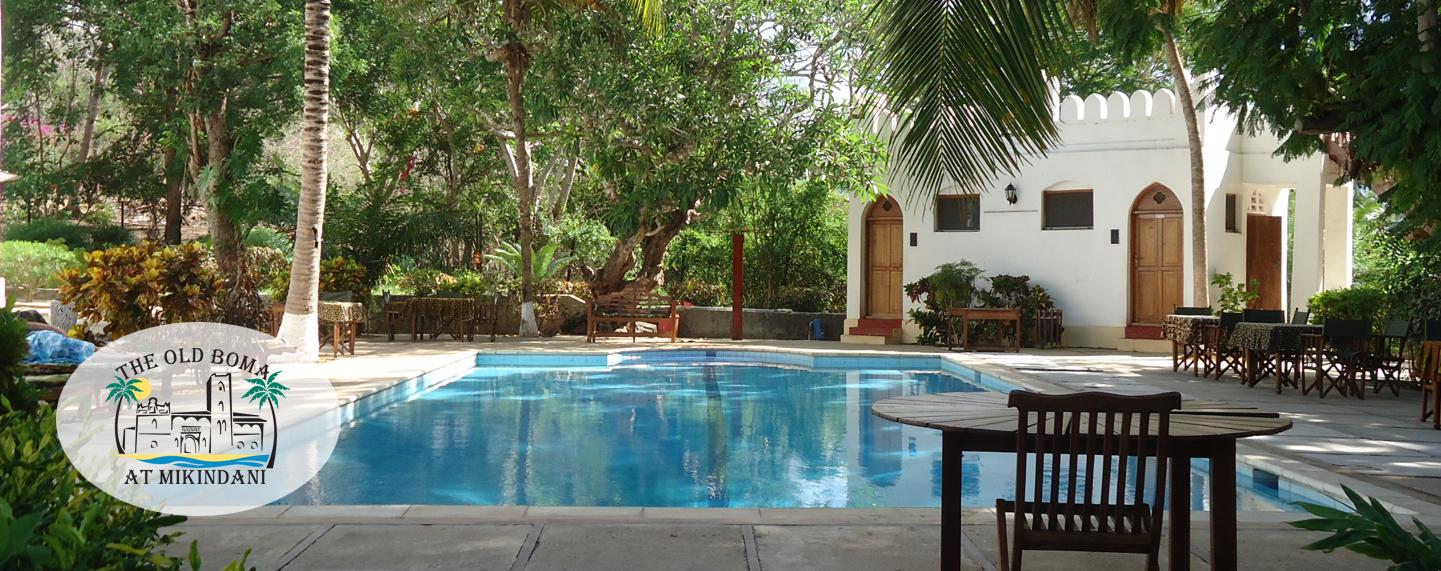
During the late 19th century, under German colonial rule, Mikindani saw further development, including the construction of several key buildings. Among these structures were a fort, a port, a slave market, and a prison. The remnants of this former prison are a notable historical feature of the town. Adjacent to these prison ruins stands a large, hollow baobab tree, which historically served as a place of isolation for enslaved individuals. The German boma, or fort, built in 1895, also remains as a prominent landmark, now repurposed as a hotel.
Following World War I, British administration continued, but Mikindani's prominence as a trading hub began to wane. In 1947, the administrative center was relocated to Mtwara, a nearby town with a deeper port better suited for larger-scale transport. This shift led to a decline in Mikindani's trade, and the town reverted to its traditional economic activities of fishing and farming. Today, Mikindani retains much of its historical character, offering visitors a glimpse into its layered past through its preserved architecture and significant sites like the prison ruins, which stand as a poignant reminder of its complex history.