Attraction in Egypt
Pyramid of Userkaf
About Pyramid of Userkaf
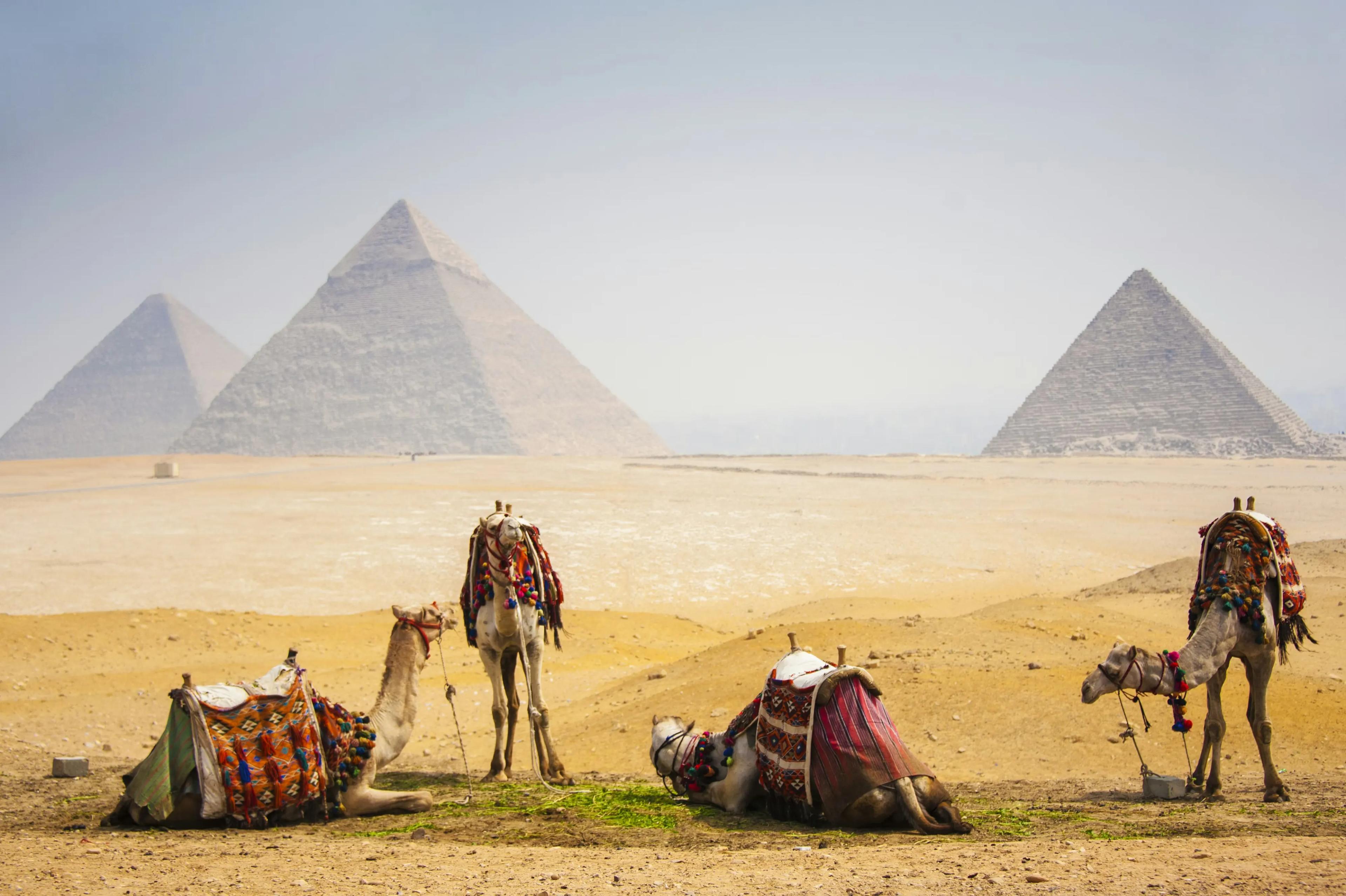
The Pyramid of Userkaf is a significant ancient Egyptian funerary monument located in the pyramid field of Saqqara, Egypt, northeast of the Step Pyramid of Djoser. Constructed for Pharaoh Userkaf, the founder of the 5th Dynasty (c. 2494–2345 BC), the pyramid complex originally bore the name "Pure are the places of Userkaf." Today, it is largely ruined and locally known as "El-Haram el-Maharbish," or the "Heap of Stone," due to its deteriorated state after its outer casing was stripped and its rubble core exposed.
Originally, the main pyramid stood approximately 49 meters (161 ft) tall with a base measuring about 73.5 meters (241 ft) per side, featuring a 53° inclination. The complex includes the main pyramid, a mortuary temple, an offering chapel, a cult pyramid, and a separate pyramid and mortuary temple dedicated to Userkaf's wife, Queen Neferhetepes. A notable architectural deviation from earlier dynasties is the placement of the mortuary temple to the south of the main pyramid, rather than the traditional east. This unusual layout may have been influenced by space constraints, the increasing importance of the sun cult during the 5th Dynasty, or a deliberate return to 3rd Dynasty building traditions.
Excavations have revealed important artifacts, including a colossal red granite head of Userkaf, now housed in the Egyptian Museum. The pyramid's entrance is on its northern side, leading to underground chambers that include an antechamber and the burial chamber, where fragments of an undecorated basalt sarcophagus were found. The construction of the Pyramid of Userkaf marks a shift in royal funerary architecture, moving away from the massive scale of 4th Dynasty pyramids and reflecting evolving ideologies of kingship. The complex underwent restoration during the reign of Ramesses II and was later utilized as a cemetery during the Saite period.