

Selous Grave
Selous Grave marks the burial site of Frederick Courteney Selous, a distinguished British explorer, army officer, hunter, and conservationist. He met his end on January 4, 1917, during World War I, while engaged in combat against German colonial forces in what was then German East Africa. His final resting place is beneath a tamarind tree at Chokawali, situated along the Rufiji River within the expansive Selous Game Reserve in southeastern Tanzania. The grave is a simple, flat stone adorned with a bronze plaque that reads: "CAPTAIN F.C. SELOUS D.S.O., 25TH ROYAL FUSILIERS, KILLED IN ACTION 4.1.17."
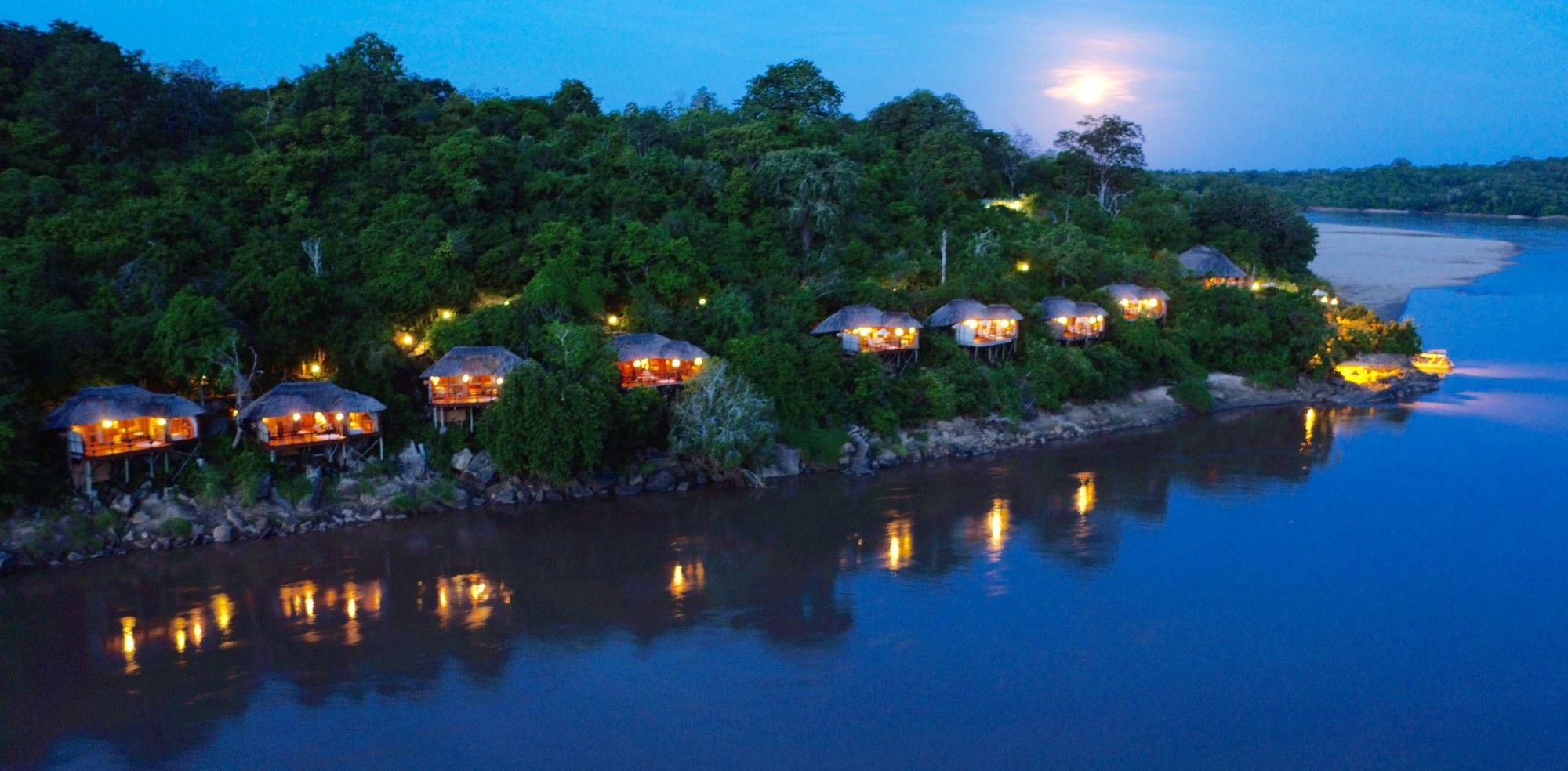
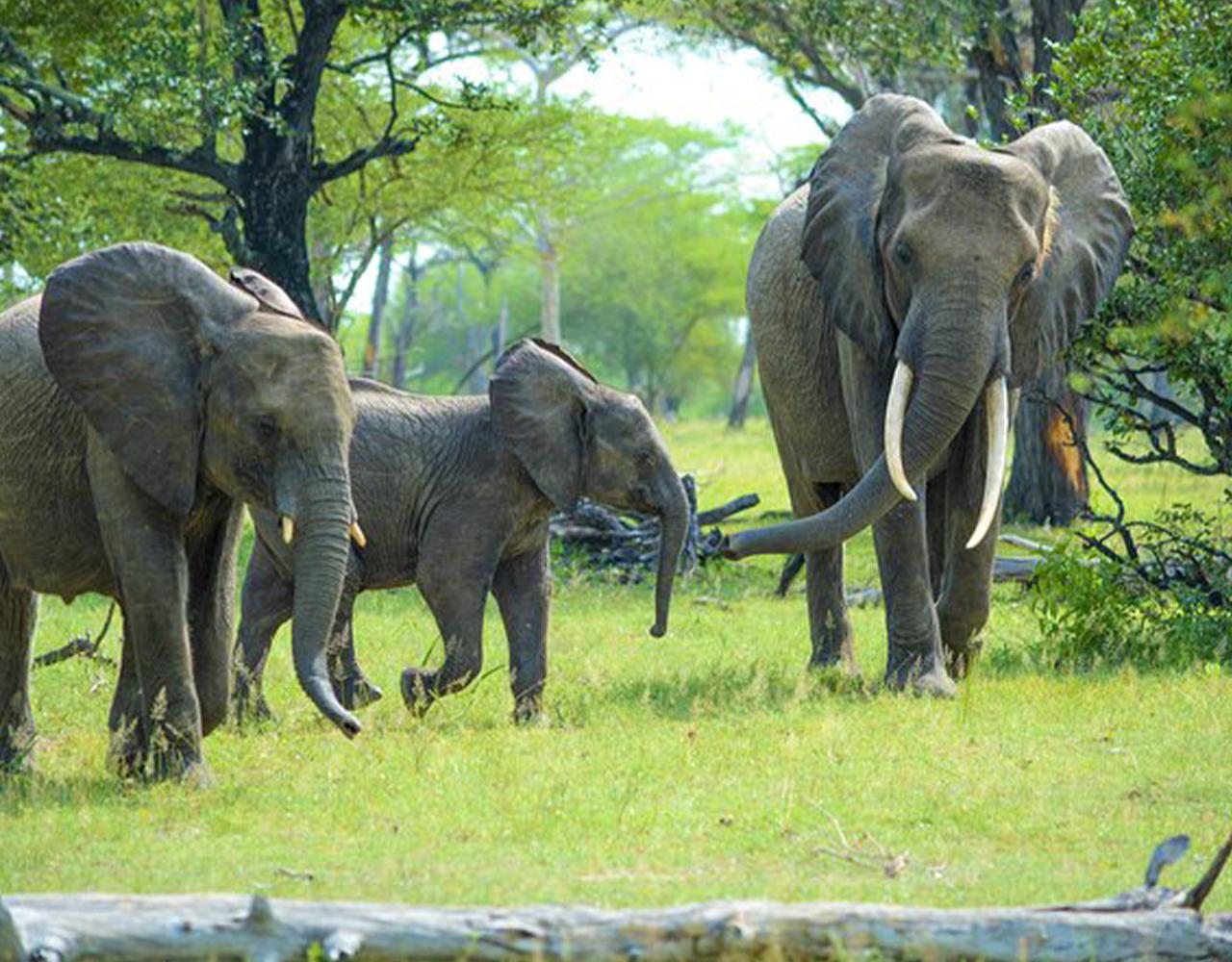
The Selous Game Reserve, a UNESCO World Heritage Site, was established in 1922 and named in his honor. Covering an immense area of 54,600 square kilometers (21,100 sq mi), the reserve boasts diverse ecosystems, including grasslands, miombo woodlands, and vital riverine habitats along the Rufiji River. It is renowned for its rich biodiversity, supporting large populations of African bush elephants, black rhinoceroses, hippopotamuses, lions, leopards, and African wild dogs. While a significant portion of the reserve is allocated for game hunting, a northern sector along the Rufiji River is designated as a photographic wildlife zone, offering visitors opportunities for walking safaris, boat safaris, and game drives.
As a historical landmark within this vast wildlife sanctuary, Selous Grave commemorates a figure whose real-life adventures inspired literary characters like Allan Quatermain and who maintained friendships with prominent figures such as Theodore Roosevelt. His enduring legacy also includes his pioneering efforts in conservation, advocating for hunting regulations and the establishment of protected areas for wildlife, which ultimately contributed to the creation of the game reserve that bears his name.
Quick Info
Own this place?
Claim it to update its details and photos, add what you offer, reply to travellers and promote it on Wapota. It’s free.
Claim this listing →

5-Day Nyerere Park, Mikumi Park and Udzungwa Waterfalls
0.0 km away
Weather & Rainfall Patterns
Station: 73s378e · 21.4 km away · 344m