

Southern Kruger
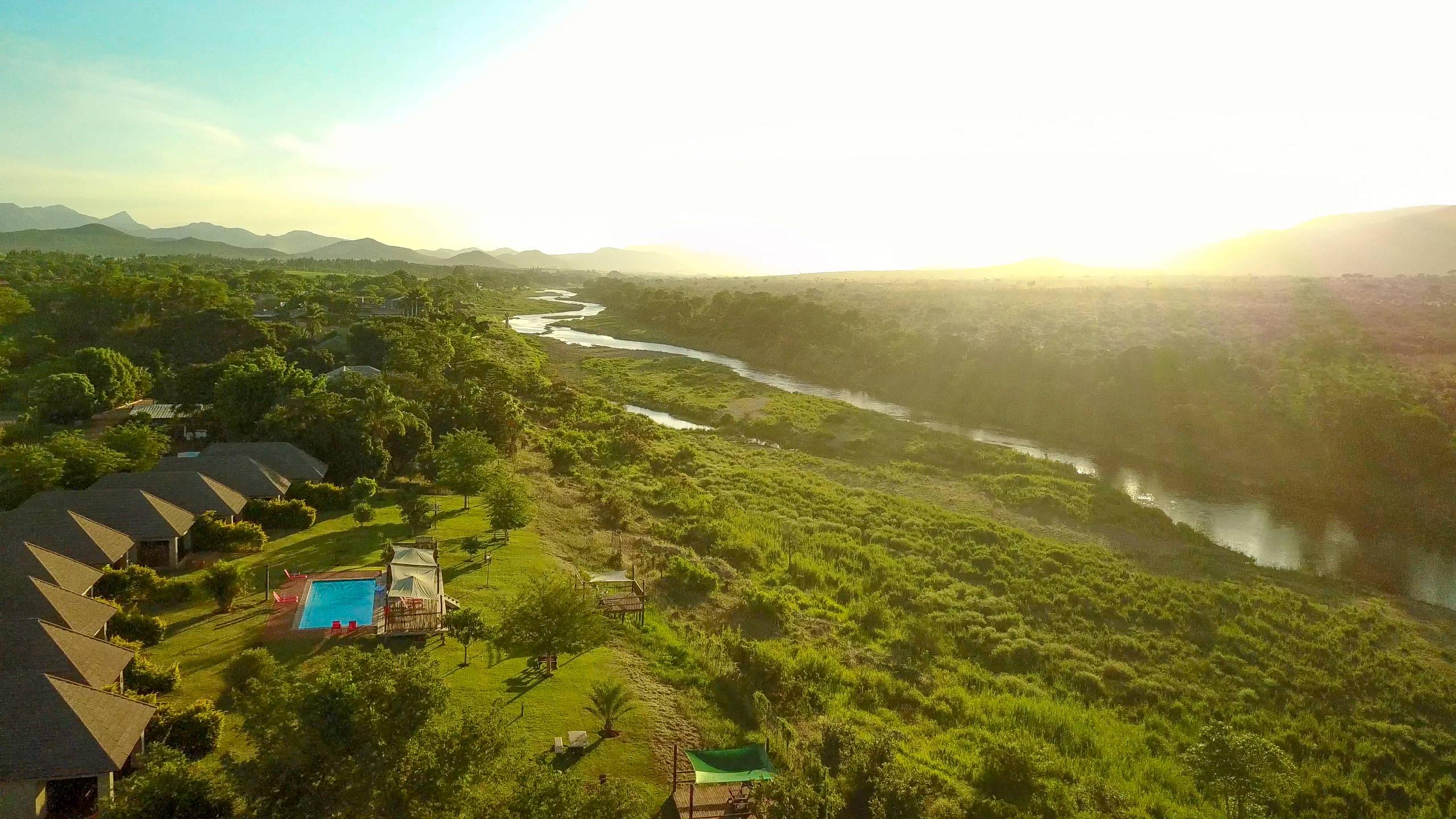
Southern Kruger refers to the lower fifth of the expansive Kruger National Park, situated in South Africa's Limpopo and Mpumalanga provinces. This region is defined by the Sabie River to its north and the Crocodile River to its south. It is a significant portion of the park, known for its diverse landscapes and abundant wildlife, making it a prime destination for safari enthusiasts. The administrative headquarters of the entire park, Skukuza, is located within this southern section.
The terrain in Southern Kruger is characterized by dense vegetation, including Marula, Leadwood, and Acacia trees, with Sycamore and Jackalberry trees dominating the riverine areas. The southwestern part features botanically rich, high-rainfall mountainveld, providing unique habitats for some of the park's rarer antelope species. The presence of granite inselbergs, such as Khandzalive near Berg-en-Dal, adds to the varied topography. The climate in the southern part, particularly around Skukuza, tends to be cooler and receives more rainfall compared to the northern areas of the park.
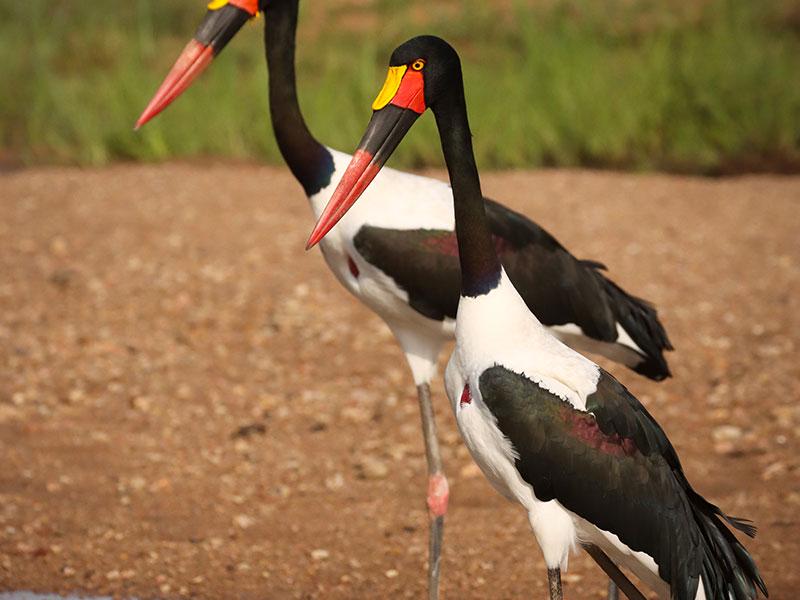
Southern Kruger is renowned as "Lion country" and boasts the highest population of rhinoceros within the park, offering excellent opportunities to spot both black and white rhino, despite the dense bush sometimes making sightings challenging. Other commonly observed wildlife includes impala, kudu, elephant, zebra, and buffalo. The region's rivers, such as the Sabie and Crocodile, are vital water sources that attract a wide array of animals, enhancing game viewing experiences, particularly in the southeastern areas where the "Big Five" are frequently encountered. The park as a whole is a sanctuary for 147 mammal species, over 500 bird species, and numerous reptiles, amphibians, and fish.
Beyond its natural wonders, the broader Kruger National Park, encompassing Southern Kruger, holds cultural significance with sites like bushman rock paintings and archaeological remains such as Masorini and Thulamela, which reflect a long history of human interaction with the environment. The park was established in 1898 to protect the wildlife of the South African Lowveld and became South Africa's first national park in 1926, now serving as a flagship for environmental management and conservation.
Quick Info
Own this place?
Claim it to update its details and photos, add what you offer, reply to travellers and promote it on Wapota. It’s free.
Claim this listing →

Kruger National Park Day Trips
0.0 km away
Birding Safaris
0.0 km away
Kruger National Park Safaris with German-Speaking Guides
0.0 km away
5 Day Photographic Safari
0.0 km away
2 Day Photographic Safari
0.0 km away
1 Day Standard Budget Safari
0.0 km away
Weather & Rainfall Patterns
Station: 239s312e · 5.7 km away · 434m